Contents:
- Paint in Your Hair? Don’t Panic—It’s Removable
- Paint Types: Understanding What You’re Dealing With
- Water-Based Paints
- Oil-Based Paints
- Immediate Action: The First 30 Minutes
- For Water-Based Paint
- For Oil-Based Paint
- Dealing with Dried Paint: Advanced Removal Techniques
- Dried Water-Based Paint Removal
- Dried Oil-Based Paint Removal
- What the Pros Know: Prevention Over Cure
- Step-by-Step Removal Process for Fresh Paint
- Water-Based Paint Removal Steps
- Oil-Based Paint Removal Steps
- Comparing Paint Removal Methods: What Doesn’t Work
- Expert Opinion on Paint Removal
- Post-Removal Hair Care
- When to Seek Professional Help
- Learning for Next Time
- FAQ
- How long does it take to get paint out of hair?
- Will paint permanently damage your hair?
- Can you cut out paint instead of removing it?
- Is white spirit safe to use on hair?
- What’s the difference between water-based and oil-based paint removal?
Paint in Your Hair? Don’t Panic—It’s Removable
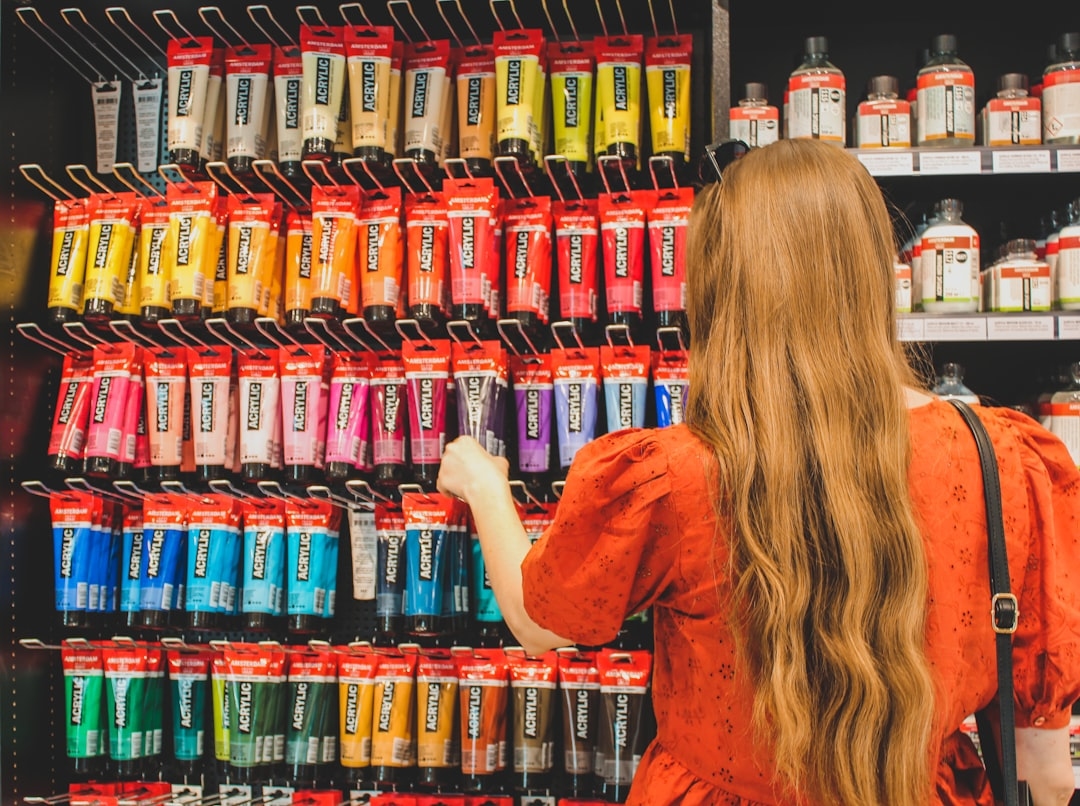
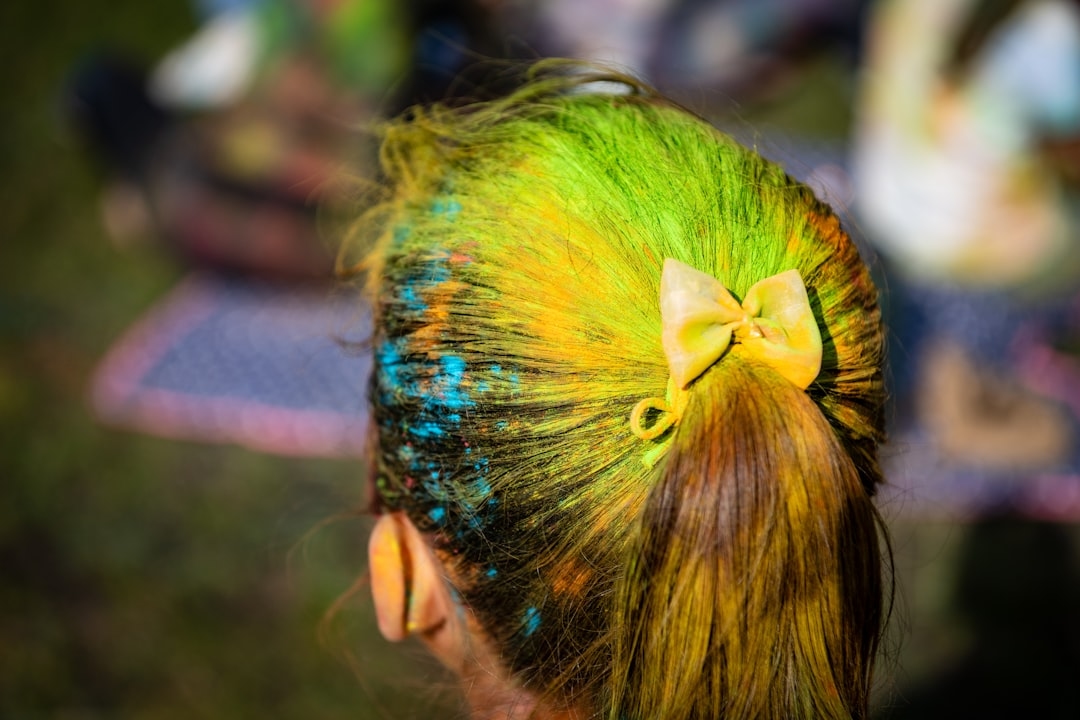
Paint accidents happen. You’re redecorating, your child’s doing an art project, or you’re painting the garden fence without adequate protection. Suddenly you notice paint splattered through your hair. Your first instinct might be panic, but relax: how to get paint out of hair depends entirely on whether it’s water-based or oil-based paint, and both are removable using simple household methods. Success requires quick action, the right solvent, and patience—not a dramatic haircut.
The critical factor is paint type. Water-based acrylics (acrylic paint, emulsion, most craft paints) wash out with soap and warm water within 30 minutes if caught immediately. Oil-based paints (enamel, varnish, traditional house paint) require stronger solvents like turpentine or white spirit, taking longer to remove but still achievable without damaging your hair.
Paint Types: Understanding What You’re Dealing With
Water-Based Paints
Water-based paints include acrylic paint, emulsion, tempera, and most children’s craft paints. These paints dissolve in water, making them relatively easy to remove. If paint is fresh (within 2–4 hours of application), water-based paint removal is straightforward. Dried water-based paint becomes more stubborn but is still removable without harsh chemicals.
Oil-Based Paints
Oil-based paints include enamel, varnish, traditional gloss, and some professional house paints. These don’t dissolve in water—they require chemical solvents. Identifying oil-based paint is straightforward: if the paint tin says “clean up with white spirit” or “requires solvent cleanup,” it’s oil-based.
Immediate Action: The First 30 Minutes
Act immediately. Fresh paint is dramatically easier to remove than dried paint. Waiting 24 hours transforms a 30-minute fix into a 2–3 hour process.
For Water-Based Paint
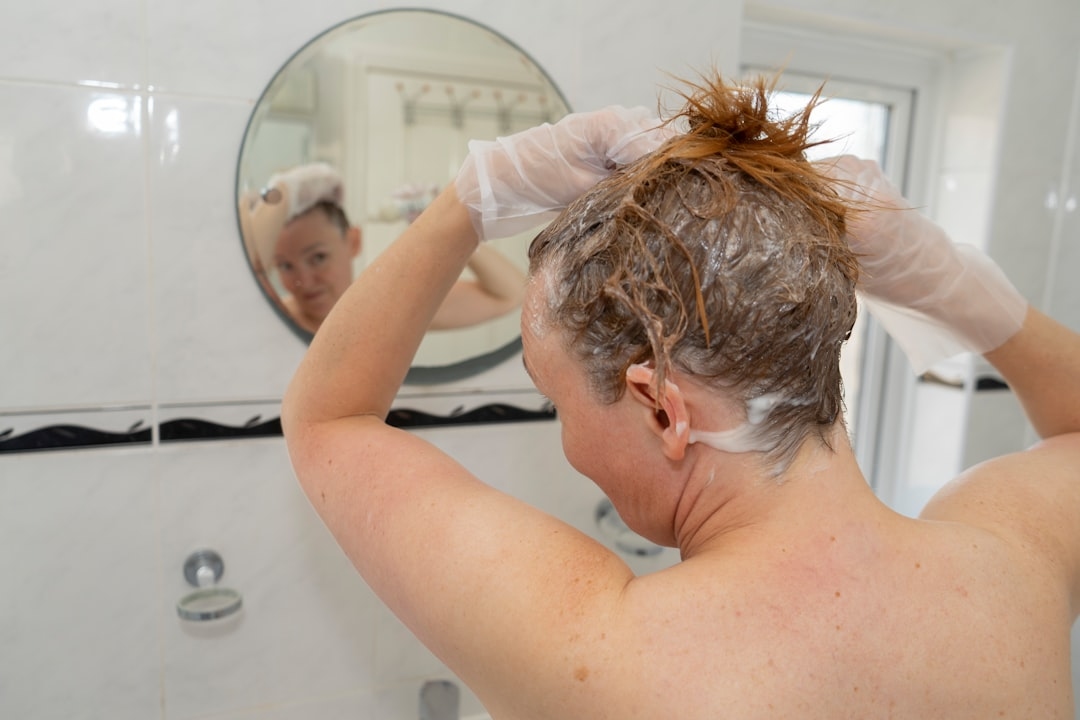
Rinse the affected hair with lukewarm water immediately, working the paint out gently with your fingers. Do not use a comb yet—combing wet, paint-laden hair breaks strands. Use regular shampoo if available, or even dish soap (£1–£3), which is slightly more effective than body soap at breaking down wet paint.
Apply shampoo directly to the paint, massage gently for 60–90 seconds, then rinse thoroughly. Most fresh water-based paint comes out within 2–3 shampoo applications. Once you’ve removed visible paint, condition your hair to restore moisture lost during vigorous washing.
For Oil-Based Paint
Do not use water alone—it won’t remove oil-based paint. Instead, use a gentle oil or solvent. Coconut oil (£4–£8), olive oil (£3–£6), or baby oil (£2–£4) work effectively on fresh oil-based paint. Apply the oil generously to paint-covered hair, massage gently, and allow it to sit for 5–10 minutes. The oil dissolves oil-based paint, allowing you to comb it out.
After oiling, apply dish soap over the oiled hair and shampoo thoroughly. This removes both the oil and paint residue. Rinse completely with warm water. You may need 3–4 shampoo applications to fully remove both oil and paint.
Dealing with Dried Paint: Advanced Removal Techniques
Dried Water-Based Paint Removal
If water-based paint has dried (24+ hours), soften it first. Apply a deep conditioner generously to the painted hair and leave it on for 20–30 minutes. This softens dried paint and allows it to release from your hair more easily. After conditioning, gently work through the hair with a wide-tooth comb, starting at the ends and working upward. Paint should flake away gradually.
Once you’ve removed large paint flakes, shampoo multiple times to remove paint residue. This process is slower than treating fresh paint but still avoids requiring harsh chemicals.
Dried Oil-Based Paint Removal
Dried oil-based paint requires a stronger approach. Professional painters use white spirit (also called paint thinner), available at any DIY store for £4–£8 per litre. White spirit is effective but harsh. Use it only on small paint patches, never on your entire scalp.
Method: Apply a small amount of white spirit (roughly a teaspoon) directly to paint-covered hair. Rub gently with your fingers or a soft cloth for 2–3 minutes. The paint should begin dissolving. Once paint loosens, rinse the area with warm water and mild soap immediately to remove white spirit residue.
Critical safety warning: White spirit has strong fumes. Apply it in a well-ventilated area, never near flames or heat sources. Wear gloves to protect your skin. If you have sensitive skin or respiratory sensitivity, avoid white spirit and instead use turpentine (£6–£10) or acetone-based nail polish remover (£2–£3)—both are somewhat less harsh.
What the Pros Know: Prevention Over Cure
Professional decorators always protect hair before painting. A simple shower cap (£1–£2) worn during painting projects prevents 95% of accidental paint splatter. If you’re doing any home maintenance, redecorating, or craft projects, invest in a disposable shower cap or tie your hair back tightly. This five-second precaution eliminates the paint-removal problem entirely. Painters who’ve dealt with paint mishaps universally emphasise this: prevention is infinitely easier than removal.
Step-by-Step Removal Process for Fresh Paint
Water-Based Paint Removal Steps
- Rinse with lukewarm water immediately, working paint out gently with your fingers.
- Apply regular shampoo or dish soap directly to the painted area.
- Massage gently for 90 seconds, working the soap into the paint.
- Rinse thoroughly with warm water. Repeat steps 2–3 until visible paint is gone (typically 2–3 applications).
- Apply conditioner to restore moisture.
- Once dry, check for remaining paint specks. If visible paint remains, repeat the process.
Oil-Based Paint Removal Steps
- Apply coconut oil, olive oil, or baby oil generously to the paint-covered hair.
- Massage gently, working the oil throughout the paint. Allow to sit 5–10 minutes.
- Apply dish soap over the oiled hair.
- Shampoo thoroughly, massaging for 90 seconds. Rinse with warm water.
- Repeat steps 3–4 until paint and oil residue are fully removed (typically 3–4 applications).
- Apply conditioner to restore moisture and repair any damage from harsh washing.
Comparing Paint Removal Methods: What Doesn’t Work
Acetone nail polish remover: People often assume acetone removes paint because it removes nail polish. However, acetone works on nail polish because of nail polish’s specific chemistry. On hair, acetone strips natural oils excessively and causes brittleness without effectively removing paint. Skip this method.
Harsh chemical solvents on wet hair: White spirit, turpentine, and acetone damage wet hair more severely than dry hair. Always dry your hair completely before using strong chemical solvents, and apply them only to paint-covered sections, not your entire head.
Aggressive brushing: Brushing paint-laden hair tears strands and worsens the situation. Always use a wide-tooth comb on wet, conditioned hair, never a regular brush on dry or paint-wet hair.
Expert Opinion on Paint Removal
Hairstylist and trichologist Rachel Harrison from Bristol Hair Salon advises: “I’ve removed paint from hair multiple times. The golden rule is speed—the faster you act, the easier it comes out. Water-based paint is genuinely simple to remove with just shampoo if you catch it within the first hour. Oil-based paint requires more patience but still responds to gentle oils and soap. The worst scenario I’ve seen is waiting days, then trying harsh chemicals. By then, people have damaged their hair unnecessarily. Act immediately, use gentle methods first, and only escalate to stronger solvents if absolutely necessary.”
Post-Removal Hair Care
After removing paint, your hair has endured vigorous washing or exposure to solvents. Restore its health immediately:
- Apply a deep conditioning mask (£5–£15) and leave it on for 20–30 minutes.
- Avoid heat styling for 24–48 hours while your hair recovers.
- Use a gentle, hydrating shampoo for your next 2–3 washes.
- Apply leave-in conditioner (£5–£12) to your ends to prevent breakage.
When to Seek Professional Help
If paint covers more than 30% of your head, if you have severe reactions to solvents or sensitive skin, or if home removal methods haven’t worked after 3–4 attempts, consult a professional hairstylist (cost £25–£50). They have access to professional-grade solvents and can remove paint without damaging your hair. This is genuinely worthwhile if you’re uncertain about using white spirit or turpentine.
Learning for Next Time
Most people only remove paint from their hair once—they develop healthy respect for prevention afterward. Before any painting, decorating, or craft project in 2026, invest two minutes in prevention: wear a shower cap (£1–£2), tie hair back securely, or wear a protective head covering. This eliminates the entire problem. How to get paint out of hair is genuinely straightforward once it happens, but preventing paint in your hair is infinitely easier and saves time, stress, and hair damage.
FAQ
How long does it take to get paint out of hair?
Fresh water-based paint removes within 10–15 minutes using shampoo and water. Fresh oil-based paint takes 30–45 minutes using oils and soap. Dried paint (24+ hours old) requires 1–2 hours of patient work with conditioning and gentle combing. The longer you wait, the longer removal takes.
Will paint permanently damage your hair?
No. Paint itself doesn’t permanently damage hair. However, aggressive removal methods (harsh scrubbing, strong chemicals, vigorous brushing) can cause breakage and dryness. Gentle removal protects your hair while removing paint effectively.
Can you cut out paint instead of removing it?
Only if paint covers a very small patch. For most paint incidents, removal is faster than cutting. A significant haircut leaves you with short hair permanently, while paint removal takes minutes to hours and leaves your hair intact.
Is white spirit safe to use on hair?
White spirit is safe for brief use on small paint patches when applied in well-ventilated areas and rinsed immediately. Never use it on your entire head or scalp. Always wear gloves, apply only to dried oil-based paint, and ensure excellent ventilation to avoid inhaling fumes.
What’s the difference between water-based and oil-based paint removal?
Water-based paint dissolves with soap and water alone. Oil-based paint requires an oil or solvent (coconut oil, white spirit, turpentine) to dissolve first, then soap and water to remove the oil residue. Water-based removal is faster and simpler; oil-based removal requires more steps but is still achievable at home.