Contents:
- Understanding Hair Damage: What’s Actually Happening
- Assessing Your Hair’s Damage Level
- How to Treat Damaged Hair: Core Restoration Methods
- Deep Conditioning Treatments and Protein Masks
- Clarifying and Moisture-Balancing Shampoo Routine
- Protective Styling and Heat Management
- Regional Treatment Variations: Climate and Environment Matter
- Timeline: When to Expect Results
- Monitoring Progress Effectively
- Professional Treatments Worth Considering
- Nutrition and Internal Factors
- Products to Avoid During Repair Phase
- Common Questions About Damaged Hair Treatment
- Can damaged hair truly be repaired, or just cosmetically improved?
- How often should I trim damaged hair during treatment?
- Is it better to treat damaged hair wet or dry?
- Will treating damaged hair make it grow faster?
- Can damaged hair recover without cutting?
- Moving Forward: Building Long-Term Hair Health
Most people believe that damaged hair is a permanent condition—that once strands are compromised, they’re essentially beyond rescue. This assumption leads many to unnecessary drastic measures like cutting off significantly more length than needed. In reality, treating damaged hair requires the right combination of products, techniques, and lifestyle adjustments that can restore noticeable improvement within weeks.
Understanding Hair Damage: What’s Actually Happening
Hair damage occurs when the cuticle layer—the outermost protective sheath of each strand—becomes raised, cracked, or separated. This happens through repeated exposure to heat styling, chemical treatments, friction from brushing, environmental stressors, and improper washing techniques. When the cuticle is compromised, the cortex beneath loses moisture and proteins that give hair its strength and shine.
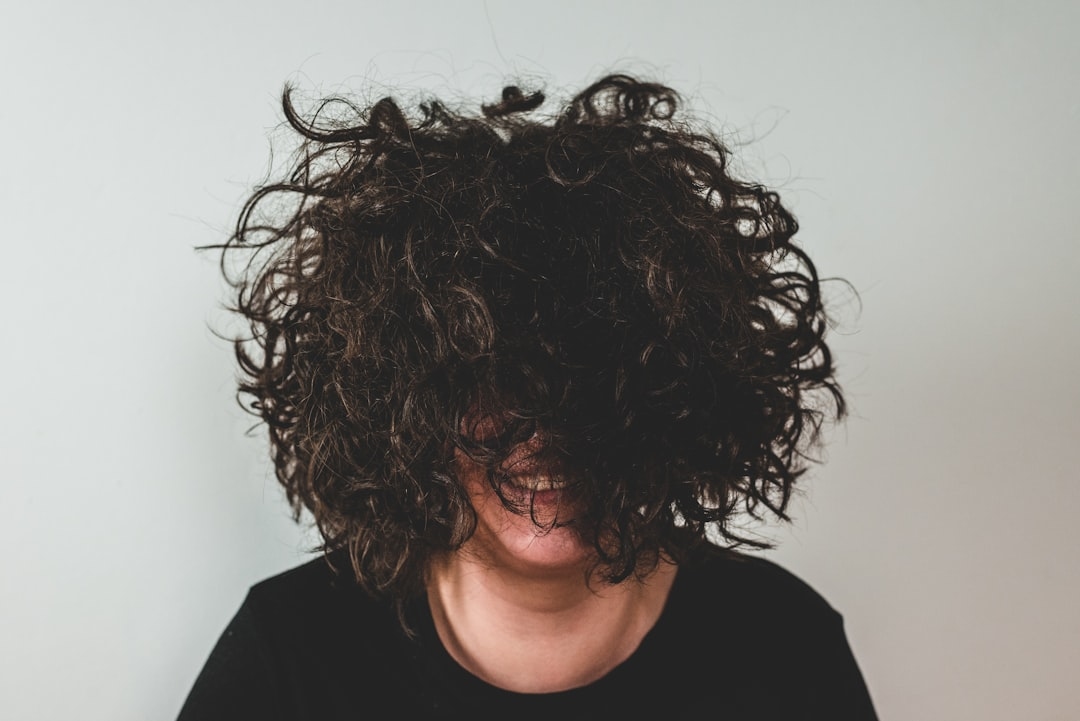
The severity of damage typically falls into three categories. Light damage shows as frizziness and dullness, with the cuticle still mostly intact. Moderate damage causes breakage, split ends, and visible dryness throughout the length. Severe damage means extensive breakage, weak spots that snap under minimal tension, and hair that feels papery or straw-like to touch. Understanding where your hair falls on this spectrum helps determine the most effective treatment approach.
Assessing Your Hair’s Damage Level
Before committing to a treatment plan, conduct a proper assessment. Take a single strand between your fingers and run your thumb and forefinger along its length. Healthy hair feels smooth; damaged hair feels rough or bumpy. Perform the elasticity test by taking a wet strand and stretching it gently. Healthy hair stretches and returns to its original length. Damaged hair either refuses to stretch or snaps without returning.
Another indicator is porosity—how readily your hair absorbs and holds moisture. Place a clean strand in a glass of water. Hair that sinks immediately is highly porous (over-processed and severely damaged). Hair that floats is low porosity (sealed but possibly under-treated). Hair that slowly sinks is normal porosity, indicating minor damage only.
How to Treat Damaged Hair: Core Restoration Methods
Deep Conditioning Treatments and Protein Masks
Deep conditioning is the foundation of any damage repair plan. Unlike regular conditioners that coat the surface, deep conditioning products penetrate the hair shaft to replenish moisture and proteins. Apply treatments to damp hair, focusing on the mid-lengths and ends where damage concentrates most. Leave them on for 15-20 minutes, or longer for severe damage.
Choose products based on your hair type and damage severity. For protein-deficient hair (stretches excessively or feels mushy when wet), use protein-rich masks such as those containing keratin or silk amino acids. The Olaplex No. 8 Bond Intense Moisture Mask costs around £38 and addresses structural damage at the molecular level. For moisture-deficient hair (feels dry and brittle), prioritise hydrating masks with glycerin, hyaluronic acid, or plant oils. Budget alternatives include coconut oil treatments at £3-8 per jar, though results are slower than professional formulations.
Frequency matters significantly. Severely damaged hair benefits from weekly deep conditioning; moderately damaged hair needs bi-weekly treatments; lightly damaged hair requires monthly sessions. Overuse can leave hair limp and product-laden, so adjust based on how your hair responds after two weeks of consistent treatment.
Clarifying and Moisture-Balancing Shampoo Routine
Damaged hair accumulates product residue that prevents treatments from penetrating effectively. Use a clarifying shampoo once monthly to remove buildup, then shift to gentler sulphate-free formulas for regular cleansing. Sulphate-free shampoos clean without stripping natural oils that protect damaged strands. Brands like SheaMoisture and Cantu offer sulphate-free options at £6-12.
Adjust water temperature for washing. Hot water opens the cuticle and allows moisture to escape; lukewarm water is safer for damaged hair. Rinse with cooler water in the final rinse to seal the cuticle closed, locking in treatment benefits. Limit washing to 2-3 times weekly for severely damaged hair, as each wash cycle exposes the cuticle to stress.
Protective Styling and Heat Management
Heat styling remains the primary cause of ongoing damage. If you use heat tools, invest in a quality heat protectant spray (£8-15) that creates a barrier against temperatures exceeding 200°C. Apply to damp hair before blow-drying, focusing on lengths and ends. Always use the lowest effective heat setting—170-180°C for most applications rather than maximum temperature.
Reduce heat frequency dramatically during the repair phase. Air-dry whenever possible, or use heat only 1-2 times weekly instead of daily. Protective hairstyles like loose braids, buns, and updos minimise friction between strands and pillows overnight, reducing mechanical damage. Silk or satin pillowcases (£12-25) create significantly less friction than cotton, slowing new damage formation by roughly 40% compared to standard pillowcases.
Regional Treatment Variations: Climate and Environment Matter
Treatment effectiveness varies by region due to climate differences. In the Southeast and Southwest, where humidity levels frequently exceed 60%, damaged hair becomes frizzy because moisture penetrates the compromised cuticle unevenly. Anti-frizz serums containing dimethicone or argan oil work well here, costing £10-18. The Northeast and Scotland experience dry winters with heated indoor air, which desiccates damaged hair rapidly. These regions benefit more from intensive weekly oil treatments and moisture-locking leave-in conditioners.
Coastal regions experience salt spray and mineral-heavy water that deposit on the cuticle, accelerating damage. A chelating rinse monthly (£5-8) removes these deposits, allowing treatments to work more effectively. Urban areas with high pollution benefit from antioxidant-rich treatments containing green tea or vitamin E extracts at £12-20 per bottle.
Timeline: When to Expect Results
Hair restoration follows a predictable timeline. Within the first 2-3 weeks of consistent deep conditioning, you’ll notice reduced frizz and smoother texture. By week 4-6, shine improves noticeably and breakage decreases. Full recovery of severely damaged hair typically requires 8-12 weeks of consistent treatment, though moderate damage shows significant improvement in 4-6 weeks.
Spring (March-May) is the optimal season to begin intensive treatments because natural growth accelerates and environmental stress decreases from winter heating. Summer (June-August) requires additional UV protection through leave-in conditioners with SPF or colour-safe products. Autumn (September-November) benefits from increased protein treatments as the season prepares hair for winter stress. Winter itself demands maximum moisture support due to heating systems and cold outdoor air.
Monitoring Progress Effectively
Track improvements by photographing hair in consistent lighting every two weeks. Compare texture, shine, and breakage visibly rather than relying on feel alone, which becomes subjective. Measure split ends by counting damaged tips on ten strands monthly—you should see the number decrease steadily. If progress stalls after 6 weeks, adjust your approach: increase treatment frequency, switch to a different product type, or reduce heat use further.
Professional Treatments Worth Considering
Salon treatments accelerate repair but carry costs. Keratin treatments (£80-150 per session) seal the cuticle temporarily and reduce frizz for 8-12 weeks, though they don’t repair underlying damage. Olaplex treatments (£60-120) use bond-building technology to strengthen the protein structure itself, offering longer-lasting results. Scalp treatments address the root cause of some damage by improving overall scalp health, which influences hair quality (£40-80).
Brazilian bond treatments cost £120-200 and last 3-4 months, making them expensive but effective for severely damaged hair. Consultation with a professional colourist or trichologist (£50-100) can identify damage causes you’ve missed, potentially saving money on ineffective treatments. For budget-conscious repair, focus on at-home treatments first; reserve professional treatments for when home methods plateau.
Nutrition and Internal Factors
External treatments work faster when supported by proper nutrition. Hair growth and repair depend on adequate protein, iron, zinc, and B vitamins. Aim for 1.2g protein per kilogram of body weight daily through sources like eggs, fish, legumes, and nuts. Iron deficiency causes weakened hair that breaks easily; if you experience ongoing breakage despite excellent external care, request iron level testing from your GP. Biotin supplements (£8-15 monthly) show modest benefits for hair strength when deficiency exists, though they won’t repair external damage.
Hydration affects hair health systemically. Drink 2-3 litres of water daily to maintain optimal moisture throughout your body, including the scalp and hair follicles. Stress management matters too—chronic stress triggers increased cortisol, which can accelerate hair shedding and slow natural repair processes. Aim for 7-9 hours sleep nightly to support the body’s natural repair cycles.
Products to Avoid During Repair Phase
Certain products actively worsen damaged hair despite marketing claims. Silicone-heavy products create temporary shine but trap moisture inside the cuticle, leading to brittleness over time. Alcohol-based styling products dry out strands further. Colour treatments and bleaching pause during the recovery period; if colour maintenance is essential, space appointments 8-12 weeks apart instead of 4-6 weeks. Products containing sulphates, parabens, and formaldehyde-releasers damage the cuticle further, so check ingredient labels carefully.
Common Questions About Damaged Hair Treatment
Can damaged hair truly be repaired, or just cosmetically improved?
Cosmetic improvement is genuine—treated damaged hair functions better and looks significantly healthier. However, external treatments cannot reknit broken protein bonds at the molecular level permanently. Professional treatments like Olaplex create temporary structural improvements (3-6 months) that fade as new hair grows. The most lasting repair is preventing new damage through consistent protective care.
How often should I trim damaged hair during treatment?
Trim every 6-8 weeks to remove split ends that progress upward and worsen overall appearance. Removing 1-2cm every 2 months is far preferable to waiting 6 months and removing 5cm. Micro-trims between professional cuts using professional hair scissors at home maintain length while eliminating compromised ends. A stylist’s consultation costs £20-30 but determines whether you need strategic cutting or overall length reduction.
Is it better to treat damaged hair wet or dry?
Damp hair absorbs treatments better than completely wet hair (which dilutes product concentration) or completely dry hair (which restricts penetration). Apply treatments to hair that’s roughly 60-70% dry—damp to the touch but not dripping. This maximises absorption while allowing even distribution.
Will treating damaged hair make it grow faster?
Hair growth rate is determined by genetics and health (averaging 6 inches per year in 2026 for most people). Treatment doesn’t accelerate growth but prevents breakage from reducing visible length. You maintain more length overall because fewer strands snap off, creating the appearance of faster growth. Combined with proper scalp health and nutrition, you might achieve very slight acceleration (maximum 10-15% faster), but expecting dramatic changes is unrealistic.
Can damaged hair recover without cutting?
Minor to moderate damage improves noticeably without cutting if treated consistently. Severe damage with extensive breakage requires at least minimal trimming to remove the most compromised sections. A strategic cut removes 5-7cm of damaged ends while maintaining your desired length better than avoiding scissors and watching breakage worsen gradually.
Moving Forward: Building Long-Term Hair Health
Successfully treating damaged hair requires patience and consistency. Results build gradually over weeks and months, not overnight. The treatments you use now repair current damage, but the habits you build prevent future damage from accumulating. Shift your perspective from damage control to damage prevention—use heat protectants religiously, limit heat frequency, invest in quality tools and products, and treat your hair with the same care you’d give your skin.
Start implementing changes immediately. This week, purchase a heat protectant and switch to a sulphate-free shampoo. Next week, add a weekly deep conditioning treatment to your routine. Month one, introduce protective styling and reduce heat use to twice weekly. By month three, you’ll recognise substantial improvements that justify the effort invested. Damaged hair recovery is entirely achievable—your hair simply needs the right products, techniques, and time to heal.