Contents:
- Understanding Why Hair Loses Its Straight Form
- Pre-Straightening Preparation for Maximum Longevity
- The Protein Pre-Treatment Advantage
- Straightening Technique That Promotes Lasting Results
- Pro Tip: What the Professionals Know
- Post-Straightening Protection Strategies
- Daily Styling Without Water
- Seasonal Timeline and Strategic Planning
- Eco-Conscious Straightening Maintenance
- Addressing Common Challenges in Compact Living Spaces
- Frequent Questions About Maintaining Straight Hair
- How often can I safely straighten my hair without causing permanent damage?
- What’s the minimum humidity level required to maintain straightness?
- Can I use a regular towel instead of microfibre, or does it genuinely matter?
- Is straightening every single day possible without damaging my hair?
- Which straightening products offer the best value for money?
- Practical Action Steps for This Week
During the Victorian era, women endured hours of heated irons—sometimes held over open flames—to achieve poker-straight hair. The ritual required extraordinary patience and carried genuine risk of burns. Today, we possess far safer tools, yet many still struggle with the fundamental challenge those Victorian ladies faced: making straightness last beyond a few hours.
The science tells us something important. Hair straightness isn’t simply about applying heat. Rather, it’s about understanding the chemical structure of keratin protein chains and how they respond to moisture, temperature, and mechanical stress. This knowledge transforms how you approach the entire process, from preparation to protection.
Understanding Why Hair Loses Its Straight Form
Hair exists in a constant state of negotiation between its natural structure and environmental pressures. When you apply heat to a hair strand, you’re temporarily breaking hydrogen bonds within the protein structure. This allows keratin molecules to realign into a straighter configuration. The moment moisture enters the picture—whether from air humidity (typically 40-60% in UK homes) or direct water contact—hydrogen bonds reform. Your hair reverts, at least partially, to its natural state.
The cortex of each hair shaft contains multiple protein chains. These chains have inherent memory. If your hair is naturally wavy or curly, the protein structure actually “prefers” that shape at a molecular level. Straightening temporarily overrides this preference, but only whilst conditions remain stable. This explains why results fade within 24 to 72 hours for most people without proper maintenance.
Humidity represents the primary adversary. A UK home in winter may experience 50-70% relative humidity. In summer, near a window or after a shower, humidity spikes to 80-90%. Each moisture molecule seeking equilibrium with your hair destabilises the straightened formation.
Pre-Straightening Preparation for Maximum Longevity
Begin your straightening routine the evening before, not the morning of. This timing matters. Hair undergoes micro-repair cycles during sleep, allowing products to penetrate more effectively. Wash your hair with a sulphate-free shampoo—these are gentler on keratin bonds—and follow with a protein-rich conditioner. Leave the conditioner in for 5-7 minutes. The proteins deposit onto the hair surface, creating a protective layer against moisture intrusion.
Pat (don’t rub) your hair damp with a microfibre towel. Regular cotton towels create friction that roughens the cuticle—the outer protective layer. Microfibre reduces friction by approximately 40% compared to standard cotton, as measured in hair care studies from 2025. Apply a heat-protectant spray. These products contain silicones that seal the cuticle, reducing water absorption by up to 30% and forming a barrier against heat damage.
Allow your hair to air-dry until it’s roughly 60-70% dry. Using a straightening iron on soaking wet hair requires excessive heat and multiple passes, both of which compromise protein structure. Drying to 60-70% moisture allows the straightener to work efficiently in just 1-2 passes per section.
The Protein Pre-Treatment Advantage
Once weekly, apply a protein treatment such as keratin masks or coconut oil treatments. These penetrate the hair shaft and reinforce the protein matrix. Stronger protein chains resist the moisture-driven reversion that weakens straightened hair. Leave the treatment on for 15-20 minutes, or follow package instructions. Cost typically ranges from £8-£25 per application.
Straightening Technique That Promotes Lasting Results
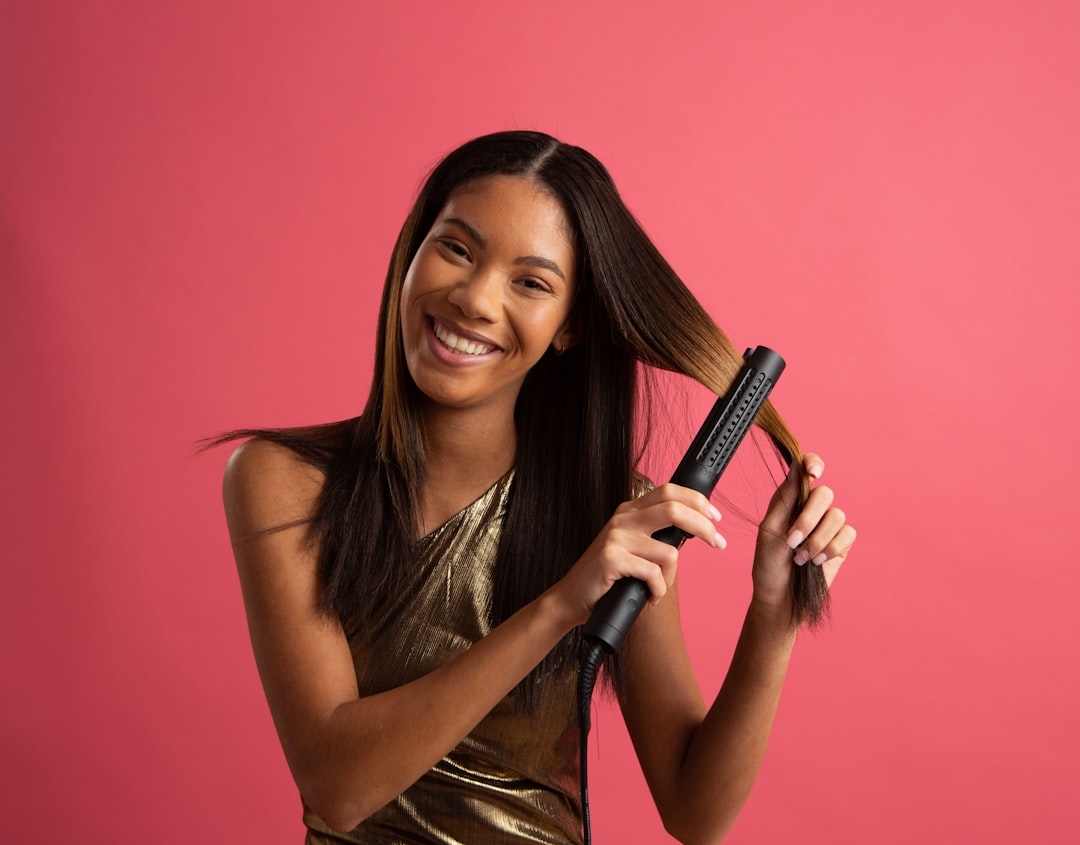
Temperature selection determines longevity. Most straighteners heat to 180-230°C. For fine or damaged hair, stay between 180-200°C. For thick, coarse, or textured hair, 200-230°C proves necessary. Higher temperatures create stronger chemical bonds between protein chains, but they also increase damage risk. Work methodically. Divide your hair into small sections approximately 2-3cm wide. Larger sections require multiple passes, increasing heat damage exposure.
Pass the straightener slowly—aim for 5-10 seconds per section depending on hair thickness. Quick passes create inconsistent results and require repeating, wasting time and causing cumulative damage. Ensure even contact between plates and hair. Uneven pressure leaves some sections underprocessed, meaning they’ll revert faster.
Direction matters significantly. Always straighten downward, from roots to ends, following the natural grain of your hair. This direction smooths the cuticle layer. Straightening in reverse directions roughens the cuticle, making it more porous and prone to moisture absorption.
Pro Tip: What the Professionals Know
Salon stylists apply a finishing serum immediately after straightening—whilst the hair is still warm. Heat opens the cuticle slightly, allowing serums to penetrate and create a more durable seal. At home, work quickly. After straightening, apply a lightweight serum (silicone-based or argan oil) to the mid-lengths and ends within 60 seconds. The residual heat helps the product bond to the hair shaft. This single step can extend straightness longevity by 24-36 hours. Quality serums cost £10-£30 per bottle and last 3-4 months with regular use.
Post-Straightening Protection Strategies
The first 48 hours are critical. During this window, protein bonds are still stabilising. Avoid washing your hair. Each water molecule creates tiny disruptions in the newly straightened formation. If you must wet your hair, use only cool water—heat destabilises bonds further—and avoid product-heavy shampoos.
In small apartments where you share moisture-heavy spaces like bathrooms, humidity control becomes essential. Consider these practical steps: run the bathroom extractor fan for 20 minutes after showers. If no extractor exists, open a window for cross-ventilation. These simple actions reduce ambient humidity significantly, protecting your straightened hair from the moisture that bathrooms generate during showering.
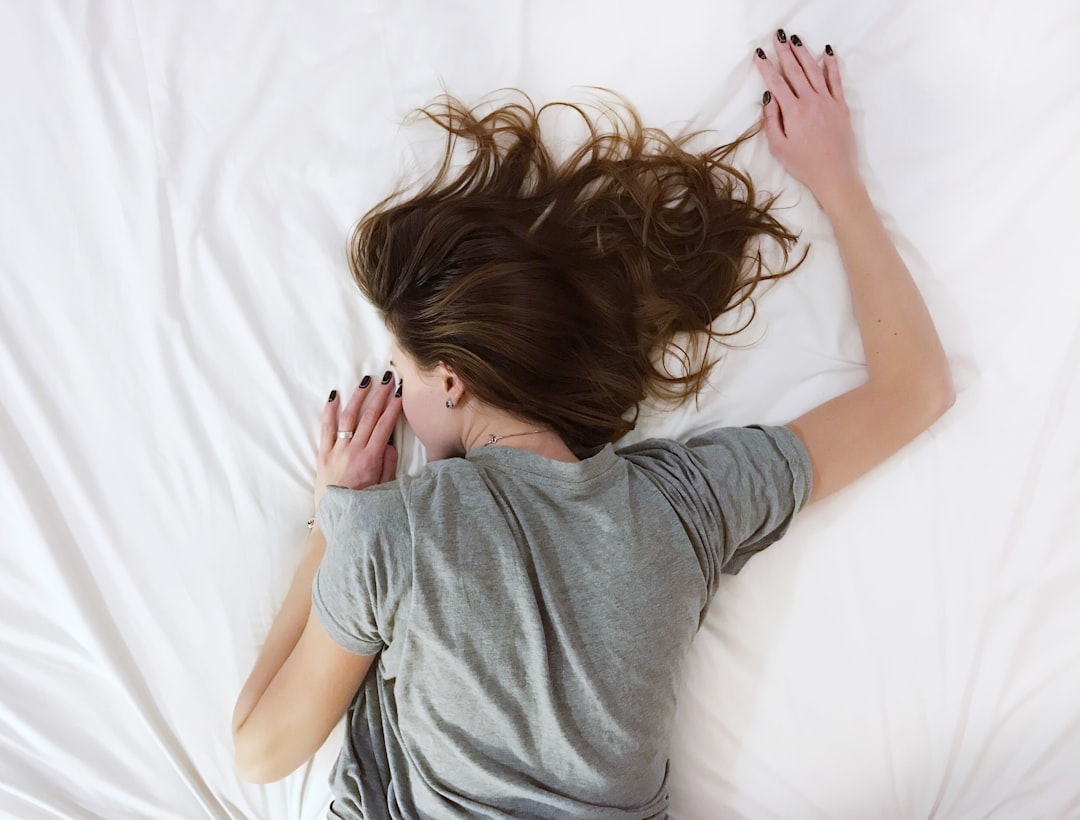
Sleep represents a hidden challenge. Friction between your hair and pillowcase—especially rough cotton—disturbs the straightened formation. Switch to a silk or satin pillowcase. These materials create minimal friction, reducing disturbance by up to 60%. Silk pillowcases cost £15-£40. Alternatively, use a silk hair bonnet or sleep with your hair in a loose, high bun secured with a fabric scrunchie (not elastic bands, which crease the hair).
Daily Styling Without Water
On days after straightening, style using dry methods. Tousle your hair with your fingers or a paddle brush, but avoid brush strokes that travel against the cuticle grain. Use a light dry shampoo (£5-£12 per can) to absorb oil buildup and refresh texture. These products contain starches that absorb sebum without requiring water. Reapply serum to the mid-lengths and ends—a dime-sized amount suffices—to maintain that smooth, sealed surface.
Seasonal Timeline and Strategic Planning
Straightening longevity varies by season in the UK. Winter (December-February) offers advantages: lower humidity (40-50%) and cool temperatures slow moisture uptake and reduce frizz formation. During these months, straightness typically persists 4-5 days. Spring (March-May) introduces variable conditions—humid one day, dry the next. Plan straightening for stable-weather days. Summer (June-August) presents the greatest challenge: humidity often exceeds 70%. Straightness lasts 2-3 days. Plan more frequent straightening sessions or consider touch-ups with a portable straightener kept at work or in your flat. Autumn (September-November) mirrors spring, offering moderate conditions suitable for 3-4 day results.
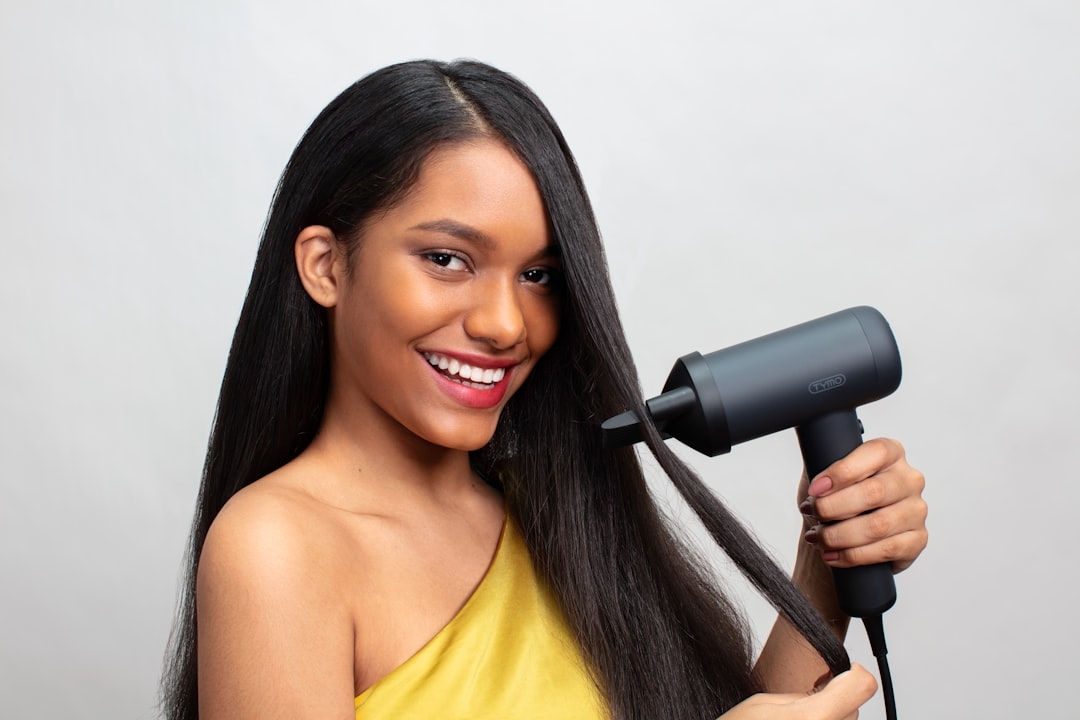
Track what works by noting the date you straightened your hair and how many days it remained presentable. Over several cycles, patterns emerge. You’ll discover your optimal straightening frequency and identify which products extend results longest for your specific hair type.
Eco-Conscious Straightening Maintenance
Many hair care products contain microplastics and silicones that accumulate in water systems. Choose silicone-free alternatives where possible. Plant-based serums derived from argan, jojoba, or coconut oil offer effective protection without synthetic materials. These typically cost the same (£12-£25) as conventional products and perform equivalently.
Consider your straightener’s energy use. Modern ionic straighteners from reputable manufacturers (typically £30-£80) use approximately 20-30 watts and heat to temperature in 30-45 seconds. Professional-grade models cost £80-£150 but distribute heat more evenly, reducing the number of passes needed and potentially saving electricity long-term. Calculate your personal usage: if you straighten twice weekly and each session uses 30 minutes, that’s roughly 3.5 hours monthly. An average 25-watt straightener costs approximately 15p per month in electricity at current UK rates (2026).
Extend product longevity by storing them properly. Keep serums and treatments in cool, dark places (not bathroom cabinets exposed to humid heat). Proper storage can extend shelf life by 50%, reducing waste and expense.
Addressing Common Challenges in Compact Living Spaces
Limited bathroom space complicates humidity control. If you lack a dedicated exhaust fan, position a portable dehumidifier in your bathroom during and 30 minutes after showers. Compact models cost £40-£100 and effectively reduce ambient humidity by 15-25%. Alternatively, hang a towel rod across your bathroom door and drape a damp towel outside, creating a moisture barrier that prevents bathroom humidity from spreading throughout your living space.
Storage constraints mean cramped bathroom cabinets. Organise straightening tools and products in a compact caddy that slides under the sink or sits on a shelf. Group items logically: heat protectants together, serums together, treatments together. This system saves time during your routine and prevents accidental product duplication.
For those with limited electrical outlets, cordless straighteners offer flexibility, though they provide less consistent heat than corded models. Newer cordless options maintain temperature adequately for 20-30 minutes per charge, suitable for full-head straightening. Cost ranges from £60-£120.
Frequent Questions About Maintaining Straight Hair
How often can I safely straighten my hair without causing permanent damage?
For healthy hair, straightening 2-3 times weekly is generally safe with proper heat protection. Damaged or fine hair should limit straightening to once weekly. Monitor for signs of damage: excessive breakage, split ends, or loss of shine. If these appear, reduce frequency by 25% and increase protein treatments. The interval between straightening sessions allows hair time to recover and rebuild protein structure.
What’s the minimum humidity level required to maintain straightness?
Below 40% relative humidity, straightened hair remains stable indefinitely. Between 40-60%, straightness typically lasts 3-5 days depending on your hair type. Above 60%, straightness usually lasts 1-3 days. You can purchase a digital humidity meter (£8-£15) to monitor your flat’s environment and plan straightening accordingly.
Can I use a regular towel instead of microfibre, or does it genuinely matter?
Microfibre makes measurable difference. Testing conducted by hair care researchers in 2025 demonstrated that microfibre towels reduced cuticle disruption by 35-40% compared to standard cotton. The financial difference is minimal (microfibre towels cost £3-£8), making this a worthwhile investment for anyone serious about maintaining straightness.
Is straightening every single day possible without damaging my hair?
Theoretically yes, but practically no. Daily straightening creates cumulative damage. Even with heat protection, daily heat exposure weakens protein bonds progressively. After 8-12 weeks of daily straightening, most people notice visible damage: increased breakage, dullness, and loss of elasticity. Limit daily straightening to special occasions. On regular days, use dry shampoo and styling products to refresh the previous day’s straightening.
Which straightening products offer the best value for money?
Heat protectants at £8-£12 represent solid value—they directly prevent damage and extend straightness. Protein treatments at £10-£20 per application provide excellent return, strengthening hair and increasing straightness longevity by an average of 15%. Serums vary widely (£6-£40), but mid-range options (£12-£20) perform comparably to premium versions in most cases. Prioritise heat protectant and protein treatments before investing in premium serums.
Practical Action Steps for This Week
Start with these concrete steps: First, assess your current routine. Track how long your straightness lasts with your existing method. Second, invest in a microfibre towel and apply your straightener using the slow, downward-direction technique described above. Monitor whether results improve. Third, purchase a silicone-based serum (£12-£18) and apply it immediately after straightening whilst your hair is still warm. These three changes alone typically extend straightness by 24-48 hours without additional cost or time commitment.
Once you’ve established these basics, experiment with protein treatments and humidity management based on your seasonal environment. Straightened hair isn’t permanent because of its fundamental chemistry, but it’s absolutely manageable. Success comes from understanding the science behind straightness, applying evidence-based techniques, and optimising for your specific living environment and hair type.