Contents:
- How Does Hair Thickening Shampoo Actually Work?
- Does Hair Thickening Shampoo Really Work for Everyone?
- Fine or Thin Hair
- Thick or Curly Hair
- Hair Loss and Thinning
- What Should You Expect—Really?
- Cost Breakdown: What Are You Actually Paying For?
- Best Practices for Maximum Results
- Pair It With a Lightweight Conditioner
- Use the Right Amount
- Clarify Weekly or Fortnightly
- Consider Your Water
- Comparing Thickening Shampoo to Other Methods
- Red Flags and Common Mistakes
- Frequently Asked Questions
- How long does it take to see results?
- Is thickening shampoo safe for daily use?
- Can thickening shampoo cause hair loss?
- What’s the difference between thickening shampoo and volumising shampoo?
- Does thickening shampoo work on curly or textured hair?
- The Bottom Line
Your shower routine might be sabotaging your hair volume. The question isn’t really whether thickening shampoos exist—they do. The real question is whether they deliver the fuller, denser hair promised on the bottle.
Quick Answer: Hair thickening shampoos can create the appearance of thicker hair through coating polymers and volumising agents, but they don’t permanently increase hair diameter or prevent loss. Results vary based on hair type, product quality, and consistency of use. Budget £8–£25 per bottle for decent options; premium brands reach £40+.
How Does Hair Thickening Shampoo Actually Work?
Hair thickening shampoo doesn’t fundamentally change your hair structure. Instead, it works through three key mechanisms:
Coating polymers wrap around each hair shaft, adding a protective layer that increases diameter and catches light more effectively. These polymers—often silicones or plant-based alternatives—create the sensation and appearance of volume without altering the hair itself.
Volumising agents like polymethylmethacrylate or hydrolysed proteins coat the cuticle, making strands feel thicker and look denser when viewed collectively. A typical volumiser can increase perceived thickness by 10–15% without changing actual hair mass.
Surfactants and cleansing ingredients remove excess sebum and product buildup that weigh hair down. Cleaner hair naturally appears fuller because each strand has less burden.
Does Hair Thickening Shampoo Really Work for Everyone?
Effectiveness depends heavily on your hair type and starting point.
Fine or Thin Hair
Results are often noticeable on naturally fine hair. Since fine strands lack density, the coating effect creates a more significant visual change. Many users report fuller-looking styles within a week of consistent use. The trade-off: buildup becomes a risk if you use it daily for months without clarifying treatments.
Thick or Curly Hair
Thickening shampoos offer less dramatic results on already-dense hair. The benefit tends toward improved definition and shine rather than increased volume. Curly hair types, in particular, may find that polymers flatten curl pattern rather than enhance it.
Hair Loss and Thinning
Here’s the hard truth: thickening shampoo cannot stop hair loss or stimulate new growth. If thinning stems from androgenetic alopecia, nutritional deficiency, or medication side effects, a volumiser is cosmetic only. It masks the problem temporarily but doesn’t address the root cause. For genuine regrowth, you’d need treatments containing minoxidil or prescription medications—not shampoo.
What Should You Expect—Really?
Realistic expectations matter. A quality thickening shampoo will:
- Increase the perceived thickness of individual hairs by 5–20%
- Improve shine and smoothness, which amplifies the volume illusion
- Make styles hold better throughout the day
- Feel noticeably different in texture within the first application
It will not:
- Permanently change your hair diameter
- Reverse hair loss or thinning from medical causes
- Add actual density if you’re losing hair faster than the product coats it
- Work permanently—benefits vanish when you stop using it
Cost Breakdown: What Are You Actually Paying For?
Hair thickening shampoos range from budget-friendly to premium. Here’s where your money goes in 2026:
Budget range (£5–£12): Supermarket and pharmacy brands like Boots own-label or basic volumisers. Effective coating ingredients, though formula simplicity means less conditioning benefit. Good for testing whether thickening shampoos suit you.
Mid-range (£12–£25): Brands like Umberto Giannini, Tresemmé, or Pantene Gold Series. Better polymer ratios, added conditioners, and more pleasant scents. This tier offers solid performance without premium pricing. Most dermatologists recommend this price point for cost-effectiveness.
Premium (£25–£50+): Salon brands like Kerastase, Olaplex, or Dyson’s new haircare line. Higher concentrations of active ingredients, luxury packaging, and sometimes legitimately better conditioning formulas. Performance gains over mid-range are marginal for most users—you’re partly paying for brand prestige and aesthetics.
A single 250ml bottle typically lasts 6–8 weeks at normal usage (one pump per wash). Monthly spend ranges from £7–£40 depending on your choice.
Best Practices for Maximum Results
Pair It With a Lightweight Conditioner
Thickening shampoos can be drying because they’re formulated to remove buildup aggressively. Always use a lightweight conditioner on the ends—silicone-free varieties work best if you’re prone to buildup. This prevents the straw-like texture that undermines the thickening effect.
Use the Right Amount
More product doesn’t mean more volume. One pump for shoulder-length hair is plenty. Excess shampoo leaves residue that makes hair look limp and flat—the opposite of your goal. Massage it in for 60 seconds to allow polymers to coat thoroughly.
Clarify Weekly or Fortnightly
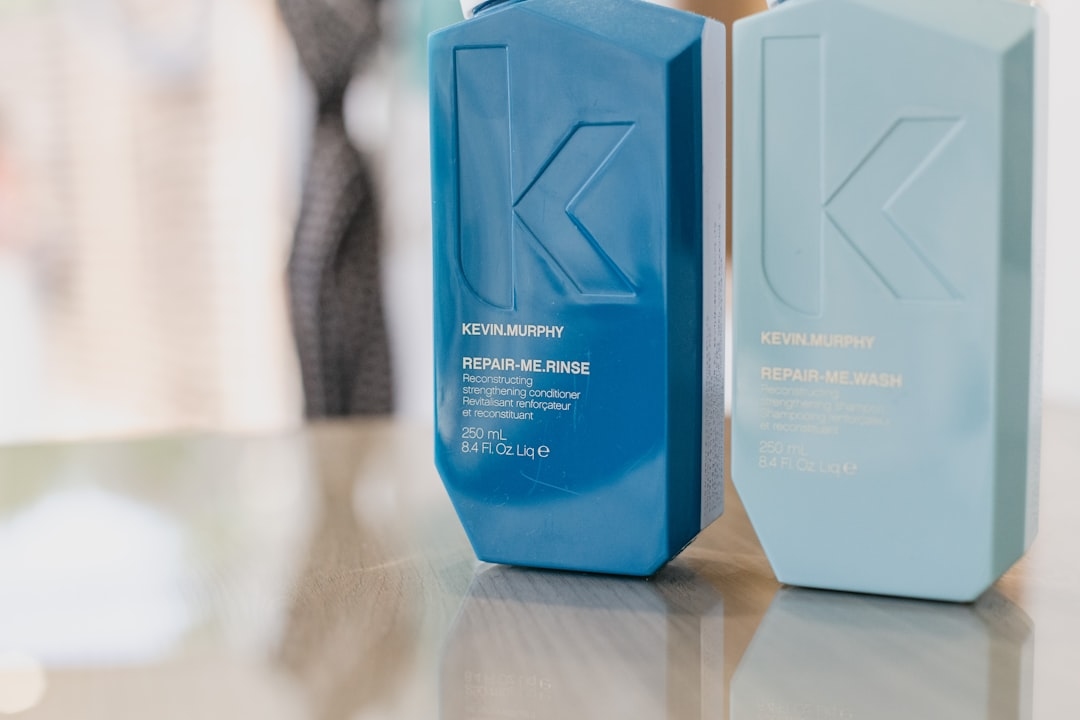
Polymer buildup compounds over time. Every 7–14 days, use a clarifying shampoo to strip away accumulated product. This keeps your hair responsive to the thickening formula and prevents that dull, weighed-down appearance that occurs around week three or four of exclusive use.
Consider Your Water
Hard water interferes with polymer adhesion. If you live in a hard water area, a shower filter adds noticeable improvement. Soft water allows coatings to sit more evenly on the hair shaft, amplifying the thickening effect.
Comparing Thickening Shampoo to Other Methods
Thickening sprays and powders: Deliver faster, more visible results but wash out in one shampoo. More convenient for event styling; less practical for daily wear.
Hair fibres (keratin powders): Cling to existing hair to create dramatic instant volume. Messy application and visible edges make them obvious in certain lighting. Thickening shampoo is subtler.
Volumising conditioners: Lighter formulas that work synergistically with thickening shampoo. Using both as a paired system enhances results by 20–30% compared to either alone.
Scalp treatments and growth serums: Address underlying thinning rather than masking it. Only worthwhile if your thinning is medical and treatable; otherwise, they’re expensive placebos.
Red Flags and Common Mistakes
Avoid products listing silicones as the primary coating agent if you have colour-treated hair—silicones can trap moisture and prevent dye molecules from setting evenly. Silicone-free thickening shampoos cost slightly more (typically £2–£5 extra) but preserve colour vibrancy better.
Don’t expect results overnight. The full effect emerges after three to four washes. Your first application will feel thicker and look shinier, but the cumulative coating effect peaks around day five or six of consistent use.
If you experience itching, flaking, or irritation, the formula contains an irritant—likely sulphates or fragrance. Switch to a sulphate-free variant; hypoallergenic formulas (around £15–£18) reduce sensitivity reactions significantly.
Frequently Asked Questions
How long does it take to see results?
Visible improvement occurs within a single wash due to shine enhancement and initial coating. Noticeable thickness develops over three to seven days as polymers accumulate. Maximum effect is reached around week two of regular use.
Is thickening shampoo safe for daily use?
Yes, but with caveats. Daily use is safe if paired with weekly clarifying treatments. Without clarification, polymer buildup causes flatness and limp texture by week three. Plan for 5–6 days of thickening shampoo followed by one clarifying wash.
Can thickening shampoo cause hair loss?
Quality thickening shampoos don’t cause loss, but product buildup can make hair appear thinner and more fragile. If you notice increased shedding after switching products, it’s usually due to tangles from residue, not the shampoo itself. Resume clarifying treatments to resolve this.
What’s the difference between thickening shampoo and volumising shampoo?
Thickening focuses on coating individual hairs to increase diameter. Volumising emphasises lift at the roots and overall hair body. A good volumiser includes thickening properties, but a thickening shampoo doesn’t always deliver root lift. Choose based on your primary concern: diameter or lift.
Does thickening shampoo work on curly or textured hair?
It can, but with moderation. Polymer coatings can stiffen curls and reduce natural bounce. Curly-hair-specific volumisers use lighter silicones or plant-based coatings that enhance definition without flattening. Expect subtler results than on straight hair, but the benefits to shine and definition are often worth it.
The Bottom Line
Hair thickening shampoo works—just not how marketing makes it sound. It creates the appearance of thicker, fuller hair through smart chemistry and clever coating technology. Results are real, visible, and relatively quick. The catch: they’re temporary, fade without consistent use, and don’t address underlying hair loss.
For fine hair, post-styling volume, or improved shine, a mid-range thickening shampoo (£12–£20) represents solid value. Pair it with a lightweight conditioner, clarify weekly, and manage expectations. This isn’t a replacement for medical treatments or structural hair changes—it’s a cosmetic tool that does its job well when used correctly.
The next time you’re in the haircare aisle, ask yourself: do you want to temporarily boost the appearance of thickness, or are you seeking a permanent structural change? If it’s the former, invest in a reputable formula. If it’s the latter, consult a dermatologist or trichologist about treatments with actual clinical evidence behind them.