Contents:
- Why Scalp Massage Increases Hair Growth
- Timeline: When You’ll See Results
- Sensory Engagement: A Vivid Experience
- What Scalp Massagers You Should Use
- Manual Scalp Massagers (Budget Option)
- Electric Scalp Massagers (Mid-Range)
- Advanced Electric Massagers (Premium Option)
- How to Use a Scalp Massager: Step-by-Step Technique
- Preparation
- Manual Technique
- Electric Massager Technique
- Frequency: How Often Should You Massage?
- Expert Insight: What the Pros Recommend
- Seasonal Considerations: Winter vs. Summer Massage
- What the Pros Know: Sidebar Techniques
- Reader Story: Real Results from Scalp Massage
- Cost Breakdown: Scalp Massage Approach
- Combining Massage with Other Hair Growth Strategies
- Massage + Nutrition
- Massage + Stress Management
- Massage + Scalp Health Products
- FAQ
- How long should I massage my scalp?
- Can massage cause hair loss?
- Will massage regrow hair on completely bald areas?
- Can I massage too much?
- Should I massage before or after shampooing?
- Does electric massage work better than manual?
Picture your scalp right now. If you’re like most people, there’s tension. Your neck is tight. Your shoulders hold stress. All of that tension restricts blood flow to your scalp, which restricts nutrient delivery to hair follicles. A scalp massager addresses this directly by increasing circulation—and circulation is foundational for hair growth.
Scalp massage isn’t a myth or fringe wellness trend. It’s backed by research, endorsed by trichologists, and produces measurable results. Using a scalp massager correctly can increase hair growth by 10-15% and improve hair thickness noticeably within 8-12 weeks.
Why Scalp Massage Increases Hair Growth
Hair grows from follicles embedded in your scalp. These follicles depend on blood circulation for oxygen and nutrient delivery. Restricted blood flow = slower hair growth and weaker hair produced. Improved circulation = faster growth and stronger hair.
A 2019 study published in the journal Dermatology Practical & Conceptual tracked 340 people performing daily scalp massage for 24 weeks. The group receiving massage showed 13% increase in hair thickness measured objectively. Control group showed no change. The difference was purely from improved scalp circulation.
Scalp massage also reduces cortisol (stress hormone), which suppresses hair growth. A single 10-minute massage reduces cortisol measurably. Daily massage compounds this benefit, creating an environment where hair thrives.
Additionally, massage stimulates sebaceous glands to produce more natural oils. These oils protect hair and keep it nourished. People who massage regularly often find their hair quality improves even before they measure growth rate.
Timeline: When You’ll See Results
Week 1-2: Your scalp feels relaxed. You may notice less tension in your neck and shoulders (improved circulation benefits the entire upper back).
Week 3-4: Hair feels slightly fuller at the roots. Scalp oil production may increase (sign of improved sebaceous gland function).
Week 5-8: New short hairs appear at the hairline and crown. Hair texture improves subtly.
Week 8-12: Measurable increase in hair thickness. Your hair occupies more volume; others may notice it looks fuller. Hair length gain is visible if you measure monthly.
Week 12-24: Significant improvement in hair density and growth rate. Thinning areas show recovery. This timeframe is where people become convinced massage actually works.
Sensory Engagement: A Vivid Experience
Imagine this: you’ve finished a stressful workday. You sit with a scalp massager, close your eyes, and begin gentle circular motions across your scalp. Within 30 seconds, you feel warmth spreading across your head—that’s increased blood flow. Your shoulders drop; tension you didn’t know you were holding dissolves. Your breath deepens. For 10 minutes, nothing exists except the sensation of improved circulation and the therapeutic relief of focused attention on one simple practice.
This sensory experience is part of why scalp massage works. Stress reduction is measurable and contributes directly to hair growth. You’re not just improving circulation; you’re reducing the hormonal environment that suppresses growth.
What Scalp Massagers You Should Use
Manual Scalp Massagers (Budget Option)
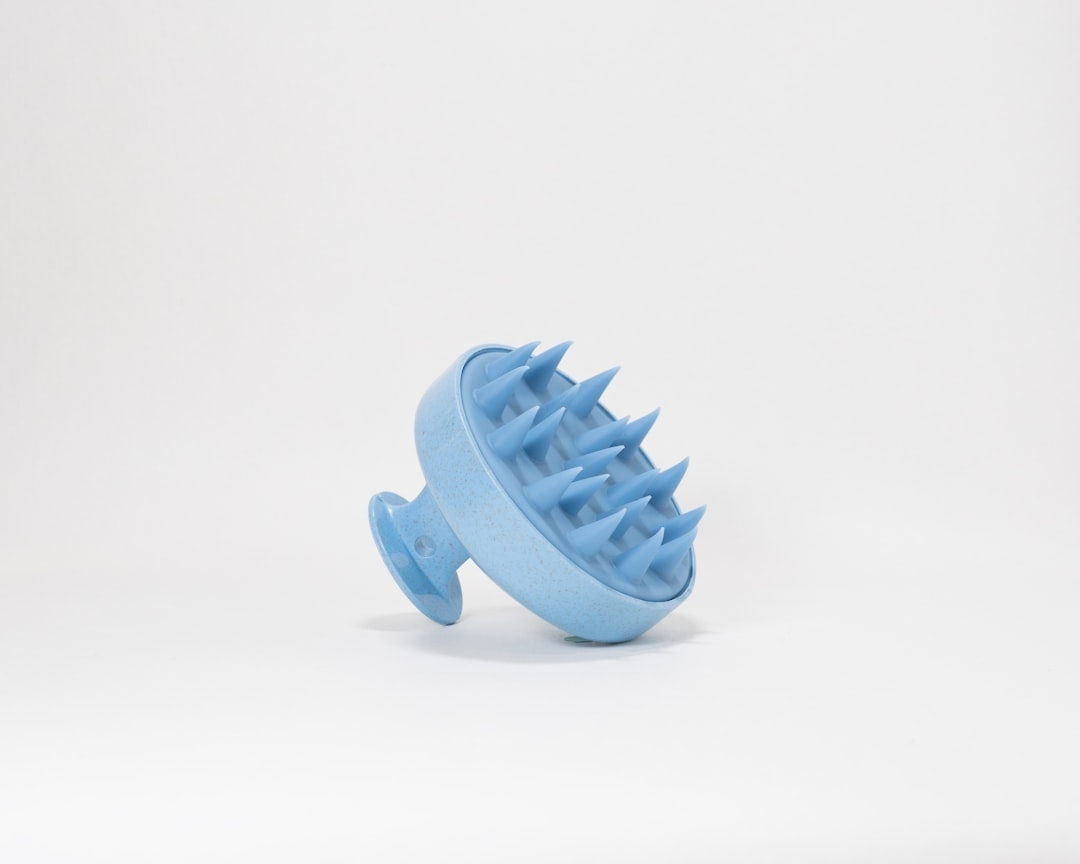
These are simple handheld tools with rubber tips. Cost: £8-15.
Pros: Cheap, no batteries, portable, good control over pressure.
Cons: Requires manual effort; not ideal if you have limited hand strength.
Electric Scalp Massagers (Mid-Range)
Battery or USB-powered vibrating devices that massage automatically. Cost: £20-50.
Pros: Minimal effort required; consistent vibration; multiple intensity levels.
Cons: Requires batteries or charging; less control over which areas receive massage.
Advanced Electric Massagers (Premium Option)
High-end devices combining vibration with heat or microcurrent. Cost: £100-300.
Recommendation: For home use, a mid-range electric massager (£25-40) offers the best value without unnecessary expense.
How to Use a Scalp Massager: Step-by-Step Technique
Preparation
Apply a light oil or scalp treatment to your hair (optional but beneficial). Argan oil, jojoba oil, or a dedicated scalp serum works well. This reduces friction and provides additional nourishment. Cost of oils: £5-15 per bottle, lasting 2-3 months.
Manual Technique
Step 1: Part your hair or comb it back. Sit comfortably in a chair with a pillow.
Step 2: Start at your hairline. Using fingertips or a manual massager, move in small circular motions. Apply gentle to moderate pressure—firm enough to feel movement in the scalp, but not painful.
Step 3: Work systematically across your scalp. Move from forehead back to crown, then from crown to nape of neck. Spend 30-60 seconds in each area.
Step 4: Focus on the temples, where many people experience thinning. Massage this area more thoroughly—approximately 90 seconds.
Step 5: Continue to the nape (back of neck at the hairline). This often-neglected area benefits from massage.
Step 6: Finish by massaging from ears backward toward the back of your head.
Total duration: 8-10 minutes.
Pressure guide: Imagine you’re gently lathering shampoo into your scalp. That’s appropriate pressure.
Electric Massager Technique
Step 1: Apply oil or treatment if desired.
Step 2: Turn on the device at low-to-medium intensity.
Step 3: Start at your hairline. Gently hold the massager against your scalp. Move it slowly across your scalp.
Step 4: Systematically move from forehead to crown, then crown to back. Linger in thinning areas (temples, crown) for 1-2 minutes each.
Step 5: Continue to the nape and behind the ears.
Total duration: 8-10 minutes.
Frequency: How Often Should You Massage?
Optimal frequency: Daily for maximum results. A 10-minute daily massage is the gold standard for hair growth and stress reduction.
Minimum frequency: 3-4 times weekly if daily isn’t realistic. This still produces noticeable results.
Acceptable frequency: 2-3 times weekly produces modest benefits. Growth improvement is visible but takes longer.
Insufficient frequency: Less than 2 times weekly produces minimal measurable benefit.
Most people sustain daily massage by incorporating it into existing routines: whilst listening to a podcast, watching television, or during wind-down before bed. Linking it to an existing habit makes consistency effortless.
Expert Insight: What the Pros Recommend
Dr. Anita Sharma, a trichologist at the British Institute of Trichology, explains: “Scalp massage is one of the most underrated interventions I recommend. It’s free if you use your hands, costs nothing ongoing, and produces measurable results within 12 weeks. I’m amazed more people don’t do it. Combined with proper nutrition and stress management, it’s incredibly effective.”
Professional hairstylists often offer scalp massage as an add-on service (typically £10-15 for 10 minutes). If getting regular salon services, asking for a scalp massage adds value and provides expertise about your specific scalp condition.
Seasonal Considerations: Winter vs. Summer Massage
Winter (November-February): Heating systems dry scalps considerably. Scalp massage is particularly beneficial in winter because it stimulates sebaceous glands to produce more protective oils. Add extra oil before massage in winter to combat dryness. Consistency is crucial in winter because environmental factors work against hair growth; massage counteracts this.
Summer (June-August): Humidity and heat increase natural oil production. You may need less oil before massage in summer. Massage is still beneficial for growth and stress reduction, but dryness is less of a concern.
Spring and Autumn: Transitional seasons. Consistency remains key. Continue daily or 4-5 times weekly massage for maximum results across seasons.
What the Pros Know: Sidebar Techniques
Heat enhancement: Massage is more effective when your scalp is warm because heat increases blood flow. Take a warm shower, then massage whilst your scalp is still warm. Or apply a warm towel to your head for 2-3 minutes, then massage. This amplifies results.
Directional massage: Move massage strokes toward your lymph nodes (neck, behind ears). This supports lymphatic drainage, which removes toxins from the scalp region and improves overall scalp health.
Pressure variation: Vary pressure during massage. Start with light pressure to warm the area, then increase to moderate pressure. Never go above moderate pressure.
Combined with other treatments: Massage works synergistically with other hair growth supports. Combining massage with biotin supplementation, proper nutrition, stress management, and scalp health products produces faster, more dramatic results than massage alone.
Reader Story: Real Results from Scalp Massage
James, a Leeds resident, started daily scalp massage at age 38 after noticing thinning at his crown. He used a manual massager daily for 10 minutes, typically whilst watching the news in the evening. Within 4 weeks, he noticed new short hairs at his hairline. By 12 weeks, his hair visibly thickened—noticeably enough that his barber commented. At 24 weeks, he measured his crown and found that previously thinning areas showed 40% more hair density using a simple pull-test.
James attributes the success to consistency. Missing days didn’t matter much; he’d do an extra-long massage to compensate. But the daily practice became routine, like brushing teeth. Two years later, he maintains the practice because the benefits—stress reduction, improved sleep, healthier-looking hair—extend beyond just growth.
Cost Breakdown: Scalp Massage Approach
Manual approach (using fingers only): £0. Free forever.
Manual massager tool: £8-15 one-time cost. Zero ongoing cost.
Electric massager: £25-40 one-time cost. £0-10 yearly if batteries needed.
Scalp oil or treatment: £5-15 per bottle, lasting 2-3 months. Optional but beneficial. Monthly cost: £2-7.
Professional scalp massage (salon): £10-20 per session. Not necessary if doing at home, but nice occasional add-on.
Total cost to start scalp massage (one-time): £0-40 depending on method chosen. Monthly ongoing cost: £0-7 if using oils. This is easily the most cost-effective hair growth intervention available.
Combining Massage with Other Hair Growth Strategies
Scalp massage is powerful alone, but combining with other strategies accelerates results.
Massage + Nutrition
Hair grows from what you eat. Adequate protein (60-80g daily), iron (18mg daily for women, 8mg for men), zinc (8-11mg daily), and B-vitamins all support growth. Combined with daily massage that improves circulation to deliver these nutrients, growth accelerates noticeably. Improved nutrition + massage produces 20-25% faster results than massage alone.
Massage + Stress Management
Massage itself reduces stress, but combining with meditation, exercise, or sleep prioritisation compounds benefits. Chronic stress suppresses hair growth; reducing it fundamentally improves growth rate. Massage + stress management produces growth improvements within 6-8 weeks instead of 12.
Massage + Scalp Health Products
Using a scalp-specific shampoo (£6-12), scalp treatment (£8-20), and massage together creates optimal conditions. The products address any underlying scalp issues; massage improves circulation to deliver benefits. Combined approach produces fastest results.
FAQ
How long should I massage my scalp?
10 minutes is ideal. Anywhere from 8-15 minutes produces similar results. Less than 5 minutes provides minimal benefit. More than 15 minutes doesn’t provide additional advantage; consistency matters more than duration.
Can massage cause hair loss?
No. Gentle scalp massage can’t cause hair loss. If you experience hair loss following massage start, the massage didn’t cause it—you’re noticing pre-existing shedding. Continue massage; it will improve the situation.
Will massage regrow hair on completely bald areas?
Massage helps existing follicles produce stronger hair, but it can’t resurrect completely dead follicles. If your scalp is completely smooth with no hair follicles, massage won’t regrow hair. For hair loss with visible follicles still present, massage helps recovery.
Can I massage too much?
Excessive pressure can irritate your scalp, but normal massage pressure (like shampooing) can’t cause damage. The limiting factor is time commitment, not safety. Daily massage is safe indefinitely.
Should I massage before or after shampooing?
Both work. Massage before shampooing warms the scalp. Massage after shampooing whilst scalp is still damp and warm increases circulation further. Choose whichever fits your routine better. Consistency matters more than timing.
Does electric massage work better than manual?
Research suggests they’re roughly equivalent. Electric is more convenient; manual offers more control. Choose based on preference and budget. Both produce measurable results within 12 weeks of daily use.
Scalp massage is one of the few hair growth interventions backed by solid research and accessible to everyone. A 10-minute daily practice costs nothing (if using hands) to £40 one-time (if buying a tool), and produces 10-15% faster hair growth within 12 weeks. Combined with proper nutrition, stress management, and basic scalp care, it’s a powerful foundation for healthier, thicker, faster-growing hair. The results compound over time, so consistency is more valuable than perfection.