Contents:
- The Basics: What Does Hair Conditioner Do?
- How Hair Conditioner Works on a Molecular Level
- Emollients: The Smoothing Agents
- Humectants: The Moisture Magnets
- Proteins: The Strength Builders
- Why You Actually Need Conditioner
- Practical Benefits You’ll Notice
- Reduced Frizz and Tangles
- Easier Styling and Detangling
- Enhanced Shine and Colour Vibrancy
- The Different Types of Conditioner
- Rinse-Out Conditioner
- Deep Conditioning Treatments
- Leave-In Conditioner
- Conditioning Masks
- How to Use Conditioner Properly
- Conditioner and Your Hair Type
- Straight Hair
- Wavy or Curly Hair
- Thick or Coily Hair
- Fine or Thin Hair
- Frequently Asked Questions
- Can you overuse conditioner?
- What does hair conditioner do if your hair is already healthy?
- Is expensive conditioner better than budget options?
- How long does it take to see results?
- Should men use conditioner?
- Making the Most of Your Conditioning Routine
Ever stepped out of the shower with hair that felt like straw, then used conditioner and suddenly your strands felt silky again? That transformation isn’t magic—it’s chemistry. But what does hair conditioner do, really? Understanding how conditioner works helps you choose the right product and use it effectively.
The Basics: What Does Hair Conditioner Do?
Hair conditioner is fundamentally different from shampoo. While shampoo cleanses by removing oils and buildup, conditioner does the opposite. It adds a protective layer to your hair that seals moisture in and keeps damage out.
Think of your hair like shingles on a roof. The outer layer—called the cuticle—has overlapping scales. When these scales lie flat, light reflects evenly, making hair look shiny. When they stand up, hair looks dull and feels rough. Conditioner smooths those scales down, creating a sleek surface.
The average person loses 50 to 100 hairs per day naturally, and damaged hair accelerates this process. By using conditioner regularly, you reduce breakage and keep more strands intact. That’s why your hair looks thicker and feels stronger after conditioning.
How Hair Conditioner Works on a Molecular Level
Most conditioners contain three key ingredient types: emollients, humectants, and proteins.
Emollients: The Smoothing Agents
Emollients like silicones, oils, and butters coat the hair shaft. Argan oil, coconut oil, and shea butter are natural emollients that have been used for centuries. These ingredients fill tiny gaps in damaged hair, making it feel smoother. A single strand of hair is about 70 micrometres in diameter—thinner than a human hair you can see. Emollients coat this microscopic surface, creating the silky feeling you notice after conditioning.
Humectants: The Moisture Magnets
Humectants like glycerin and hyaluronic acid attract water molecules from the air and pull them into the hair shaft. They work best in humid climates, which is why people in the UK with regular moisture in the air often see better results than those in dry regions. Humectants can increase hair hydration by up to 15% when used consistently.
Proteins: The Strength Builders
Protein-based conditioners contain hydrolysed keratin, collagen, or wheat proteins. These molecules bond to hair damaged by heat styling, chemical treatments, or frequent washing. They rebuild the protein structure that gets stripped away, reducing breakage by as much as 20% in some studies. This is especially important if you use straighteners, curling irons, or colour your hair regularly.
Why You Actually Need Conditioner
Your hair produces natural oils—sebum—from the scalp, but these oils don’t travel down the entire length of your hair, especially if it’s long or curly. Hair below the scalp is technically “dead” tissue with no way to repair itself. Conditioner acts as a substitute for the natural protection your hair loses.
I once worked with a client who hadn’t used conditioner for years. Her shoulder-length hair broke off constantly, and she thought it was just thin hair. After three weeks of daily conditioning, the breakage stopped completely. She wasn’t growing new hair—she was keeping what she already had.
This example illustrates what does hair conditioner do at its core: it preserves what you’ve got. Over six months, consistent conditioning can make hair appear longer and fuller simply by preventing breakage.
Practical Benefits You’ll Notice
Reduced Frizz and Tangles
Frizz happens when the hair cuticle is raised and moisture enters the hair shaft unevenly. Conditioner seals the cuticle, preventing this. Most people notice reduced frizz within one wash, and the effect compounds over time. Expect about a 30-40% improvement in frizz after one month of consistent use.
Easier Styling and Detangling
Conditioner lubricates the hair surface, so a comb or brush glides through more easily. This reduces tugging, which causes breakage. If you have curly or coily hair, a good conditioner is non-negotiable—it makes the difference between manageable curls and matted clumps.
Enhanced Shine and Colour Vibrancy
When the cuticle lies flat, light reflects properly, and your hair looks shinier. If you’ve had your hair coloured, conditioning is even more important. Colour molecules sit in the cortex of the hair shaft, and a smooth cuticle keeps them locked in. Regular conditioning can extend colour longevity by 2-3 weeks compared to unprotected hair.
The Different Types of Conditioner
Rinse-Out Conditioner
The most common type. You apply it after shampooing, leave it for 1-3 minutes, then rinse it out. This is the foundation of any routine. Look for conditioners priced between £5 and £15 for solid results.
Deep Conditioning Treatments
These stay on your hair for 10-20 minutes or overnight. They contain higher concentrations of nourishing ingredients and target more intensive damage. Use deep conditioner once a week if your hair is curly, colour-treated, or frequently heat-styled.
Leave-In Conditioner
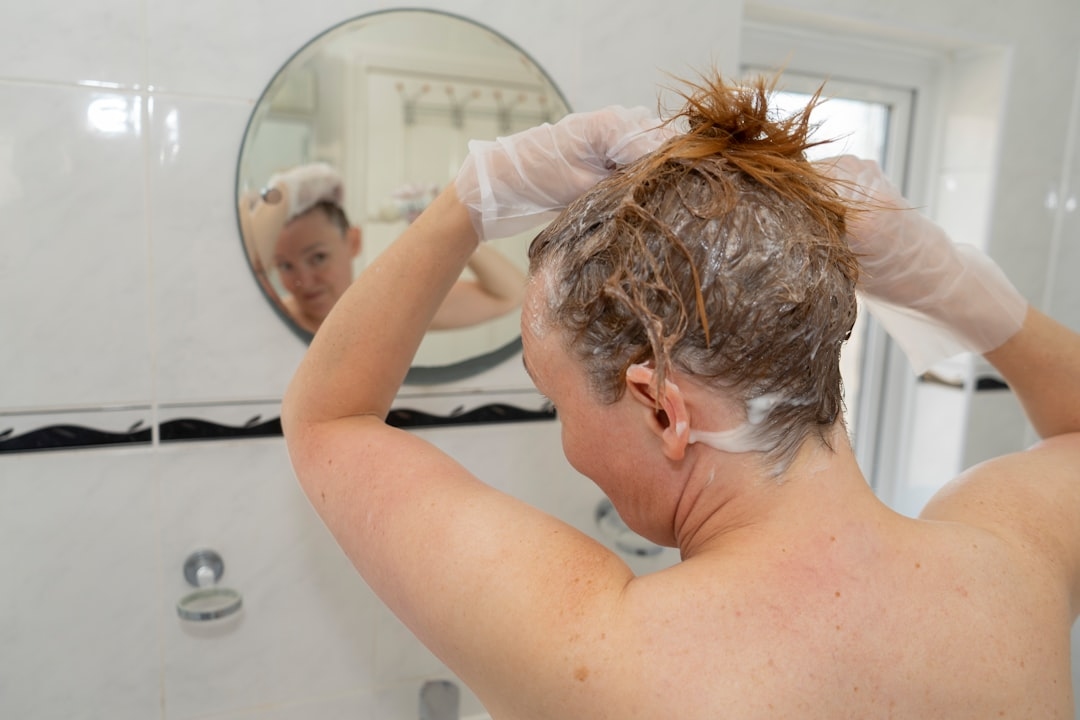
Applied to damp hair but not rinsed out. Leave-in conditioners provide ongoing protection but can weigh hair down if overused. Most people apply just a small amount (about 10-15ml) to the ends and mid-lengths.
Conditioning Masks
These are intensive treatments, thicker than regular conditioner, designed for weekly use. They’re particularly effective for repairing heat damage and bleached hair.
How to Use Conditioner Properly
Many people use conditioner incorrectly, which wastes product and reduces results.
- Apply from mid-length to ends: Don’t apply conditioner to your scalp—your natural oils already protect it. Start at ear level and work downward.
- Leave it on for at least one minute: Most of the benefits happen in the first minute, but 2-3 minutes allows humectants and emollients to fully penetrate.
- Use the right amount: For shoulder-length hair, about 5-7cm of product squeezed from the tube is sufficient. More doesn’t mean better results.
- Condition every time you wash: If you shampoo three times weekly, condition three times weekly. Skipping conditioner “to let your scalp breathe” is a myth—your scalp’s oil production is unaffected by conditioner on the ends.
- Rinse thoroughly: Leftover conditioner creates buildup, making hair look dull and limp. Rinse with cool water if possible—cooler water helps seal the cuticle.
Conditioner and Your Hair Type
Straight Hair
Use a lightweight, rinse-out conditioner. Heavier products can weigh straight hair down. Apply only to the ends, 2-3 inches from the tips.
Wavy or Curly Hair
You need more conditioner and likely benefit from deeper, creamier formulas. Some curly-haired people “co-wash”—washing with conditioner alone between shampoos—because regular shampoo strips natural oils too aggressively.
Thick or Coily Hair
Invest in rich, buttery conditioners with strong emollients. Hair this texture often requires conditioning two to three times per wash cycle for optimal results.
Fine or Thin Hair
Use volumising conditioners that contain lightweight silicones rather than heavy oils. Apply sparingly to avoid flatness.
Frequently Asked Questions
Can you overuse conditioner?
Yes, if you apply it to your scalp or use excessive amounts. This creates buildup, making hair greasy and limp. If you notice this, switch to lighter conditioner or reduce frequency to every other wash.
What does hair conditioner do if your hair is already healthy?
It maintains health and prevents future damage. Even healthy hair benefits from conditioning—it keeps the cuticle smooth, prevents breakage, and maintains shine. Think of it like sunscreen: you use it before damage happens, not after.
Is expensive conditioner better than budget options?
Not always. A £7 conditioner from the supermarket can work as well as a £25 salon brand if the ingredients are good. Look for specific ingredients you need—proteins for damage, oils for dryness, humectants for hydration—rather than focusing on brand prestige.
How long does it take to see results?
You’ll notice softer, shinier hair after the first wash. Reduced breakage and healthier-looking hair become obvious after 2-4 weeks of consistent use. Major improvements in length retention take 2-3 months to become visible.
Should men use conditioner?
Absolutely. Men with short hair still benefit from conditioning, especially if they use styling products, heat tools, or colour. Use a dime-sized amount and work it through, focusing on the mid-lengths and ends where drying occurs.
Making the Most of Your Conditioning Routine
Understanding what does hair conditioner do is the first step. The second is choosing the right product for your specific hair type and needs, then using it consistently. Your hair won’t transform overnight, but over weeks and months, you’ll notice less breakage, more shine, and length that actually sticks around.
Hair growth takes months—the average person grows about 6 inches per year—but with proper conditioning, you’ll retain more of that growth. Start with a basic, affordable rinse-out conditioner, use it correctly, and assess your results after a month. You might find that’s all you need, or you may want to add a weekly deep treatment to your routine.
The best conditioner is the one you’ll use consistently. Pick something that fits your budget, matches your hair type, and fits into your routine. Your future self will thank you.