Contents:
- Understanding Hair Growth: The Biology Behind the Growth Cycle
- Nutrition: Building Hair from the Inside Out
- Protein: The Foundation
- Iron and B Vitamins
- Zinc, Selenium, and Omega-3 Fatty Acids
- Scalp Care: Creating the Right Growing Environment
- Regular Cleansing Without Over-Washing
- Scalp Massage and Blood Flow
- Exfoliate Your Scalp
- Stress Management: The Often-Overlooked Factor
- Minimising Breakage: Protecting What You Have
- Use a Silk or Satin Pillowcase
- Gentle Drying Techniques
- Limit Heat Styling and Chemical Treatments
- Trim Every 6-8 Weeks
- Sustainable and Eco-Friendly Approaches
- A Seasonal Timeline: What to Expect Year-Round
- Budget-Friendly Implementation: What Actually Matters
- Frequently Asked Questions
- How long does it take to see results from trying to speed up hair growth?
- Can you really speed up hair growth, or is it all genetics?
- Are expensive hair growth supplements worth it?
- Does cutting hair make it grow back thicker or faster?
- What’s the best hairstyle to speed up hair growth?
Quick Answer
To speed up hair growth, prioritise scalp health through regular cleansing, ensure adequate protein and iron intake, manage stress, and stay hydrated. Most people can expect visible improvements within 3-6 months. Hair grows roughly 15 centimetres per year on average, and optimising nutrition and reducing breakage can push this closer to 20 centimetres annually.
You’ve probably caught yourself staring in the mirror, wondering why your hair isn’t growing as quickly as you’d like. It’s one of the most common frustrations people face, and the good news is that it’s not your imagination. Hair growth can be accelerated through targeted changes to your routine and lifestyle, without spending a fortune on expensive treatments.
The problem isn’t that your hair can’t grow faster. The real issue is usually that we’re either not giving it the right conditions, or we’re damaging it faster than it grows. This guide will show you exactly how to speed up hair growth using proven, affordable methods that work within a realistic budget.
Understanding Hair Growth: The Biology Behind the Growth Cycle
Before you can speed up hair growth, it helps to understand how hair actually grows. Your hair doesn’t grow continuously at the same rate. Instead, it cycles through three phases: the anagen phase (active growth), the catagen phase (transition), and the telogen phase (resting and shedding).
On average, scalp hair grows about 15 centimetres per year, or roughly 1.25 centimetres per month. However, this varies significantly based on genetics, age, and overall health. The anagen phase typically lasts 2-7 years, which means you could theoretically grow hair up to 140 centimetres long if you never cut it and nothing went wrong.
The catch? Most people’s hair is shedding and breaking before it reaches its full potential length. This is where intervention makes a real difference. By reducing breakage and optimising the conditions for growth, you can effectively speed up the appearance of longer hair.
Nutrition: Building Hair from the Inside Out
Your hair is made primarily of a protein called keratin, and it needs specific nutrients to grow strong and long. You can’t speed up hair growth with diet alone, but poor nutrition will absolutely slow it down.
Protein: The Foundation
Aim for 1.2 to 1.6 grams of protein per kilogramme of body weight daily. For a 70-kilogramme person, that’s roughly 84-112 grams of protein per day. Good sources include chicken, fish, eggs, lentils, and Greek yoghurt. Protein deficiency can push hair prematurely into the telogen phase, causing increased shedding.
Iron and B Vitamins
Iron deficiency is strongly linked to hair loss and slower growth. Women of reproductive age are particularly at risk. Aim for 8 milligrammes daily (men) or 18 milligrammes (women). Red meat, spinach, and fortified cereals are excellent sources. Pair iron-rich foods with vitamin C to improve absorption.
B vitamins, especially B12 and biotin, support hair growth. If you’re vegetarian or vegan, consider a B12 supplement, as this vitamin is primarily found in animal products. Look for supplements around £8-15 for a three-month supply.
Zinc, Selenium, and Omega-3 Fatty Acids
Zinc supports scalp health and is essential for hair follicle function. You need 11 milligrammes daily for men, 8 milligrammes for women. Pumpkin seeds, chickpeas, and cashews are affordable sources. Selenium and omega-3s reduce inflammation, which can impair hair growth. A tin of sardines or mackerel (£1-2) provides both selenium and omega-3s in one affordable serving.
Scalp Care: Creating the Right Growing Environment
Your scalp is like the soil in a garden. Poor scalp health stunts hair growth, no matter what else you do. A healthy scalp is clean, balanced, and free from inflammation.
Regular Cleansing Without Over-Washing
Wash your hair 2-3 times weekly if you have oily hair, or once weekly if your hair is dry or textured. Over-washing strips natural oils and irritates the scalp. Use lukewarm water, not hot, as heat can damage the hair shaft and irritate the scalp. A £3-6 gentle cleanser works just as well as expensive salon products.
Scalp Massage and Blood Flow
Massage your scalp with your fingertips for 5 minutes daily. This increases blood flow to hair follicles, delivering more nutrients and oxygen. Studies show that consistent scalp massage can improve hair thickness. It costs nothing and takes minimal time.
Exfoliate Your Scalp
Once weekly, use a scalp scrub or gently massage your scalp with a soft brush to remove dead skin cells and product buildup. A simple sea salt mixed with coconut oil creates an excellent DIY scrub for under £2. Buildup clogs follicles and impedes growth.
Stress Management: The Often-Overlooked Factor
Chronic stress pushes hair into the telogen phase prematurely, causing noticeable shedding 2-3 months later. This is called telogen effluvium, and it’s reversible, but it slows your progress toward longer hair.
Implement stress-reduction strategies that fit your budget. A 20-minute daily walk costs nothing. Meditation apps like Insight Timer offer free sessions. Yoga videos on YouTube are free. Even 10 minutes of deep breathing can lower cortisol levels. The goal is consistency, not perfection.
Minimising Breakage: Protecting What You Have
Here’s the reality: broken hair doesn’t look longer, and it doesn’t look healthy. Breakage is often the real culprit behind slow-growing-looking hair. To speed up hair growth visually and actually, protect your strands.
Use a Silk or Satin Pillowcase
Friction from cotton pillowcases causes breakage, especially at night. A silk or satin pillowcase costs £10-20 and lasts years. The reduction in breakage alone makes this a worthwhile investment. If you can’t stretch to this, a silk scarf wrapped loosely around your hair works similarly.
Gentle Drying Techniques

Never rub your hair vigorously with a towel. Instead, gently squeeze water out or wrap it in a microfibre towel. Wet hair is weaker and more prone to breaking. If using a hair dryer, keep it on a low heat setting and maintain distance from your scalp.
Limit Heat Styling and Chemical Treatments
Every heat tool and chemical treatment weakens the hair shaft. If you straighten or curl your hair, do it no more than twice weekly. When you do use heat, always apply a heat protectant spray (£3-8). Consider air-drying or air-styling with plaits to achieve waves naturally.
Trim Every 6-8 Weeks
This seems counterintuitive for growing long hair, but split ends travel up the hair shaft. A 1-2 centimetre trim every 6-8 weeks actually speeds up visible hair growth by preventing breakage. Many local hairdressers offer trims for £12-25.
Sustainable and Eco-Friendly Approaches
You don’t need wasteful, chemically-laden products to speed up hair growth. In fact, simpler is often better for both your hair and the planet.
Plant-based oils like coconut, jojoba, and argan oil nourish the scalp and strands without microplastics or harsh chemicals. A single bottle lasts months and costs £5-12. Apply once weekly as a scalp treatment or leave-in conditioner on the ends. These are renewable resources and come in recyclable packaging.
Avoid single-use hair products. A solid shampoo bar, for example, eliminates plastic bottles and lasts longer than liquid shampoo. They cost £4-8 and last 2-3 months. Similarly, a reusable wide-tooth comb (£5-10) outlasts plastic brushes and reduces waste.
A Seasonal Timeline: What to Expect Year-Round
Hair growth varies by season, and understanding this helps you track progress realistically.
Spring (March-May): Longer daylight hours trigger slightly faster growth in many people. This is an ideal time to start a new hair growth regimen. Increase scalp massage frequency and boost iron intake as spring vegetables arrive.
Summer (June-August): UV exposure and chlorine damage hair. Wear a swimming cap, rinse immediately after swimming, and increase your use of protective oils. Growth may appear slower due to increased breakage, but it’s still occurring underneath.
Autumn (September-November): Shedding naturally increases as daylight decreases. This is normal. Maintain your routine and expect slightly more hairs in your brush. Nutritional support from autumn crops (nuts, seeds) aids growth.
Winter (December-February): Cold temperatures can dry scalp and hair. Increase moisturising treatments and ensure adequate vitamin D intake (or supplement, as sunlight exposure decreases). Growth continues, but dryness may make hair look duller.
Budget-Friendly Implementation: What Actually Matters
You don’t need expensive supplements or boutique products. Here’s what genuinely makes a difference:
- Dietary changes: Prioritise protein-rich foods you already buy. Shift spending slightly toward iron-rich options. Cost: minimal to none.
- Scalp care: A basic cleanser (£3-6) and a DIY salt-oil scrub (£2). Total: under £10, lasts months.
- Massage and stress relief: Free daily habits.
- Protective measures: A silk pillowcase (£15 one-time) and a regular trim schedule (£15-25 quarterly).
- Optional but helpful: A B12 supplement if vegetarian (£10-15 for 3 months), or an iron supplement if deficient (£5-10 for 3 months).
Total investment for 6 months: £50-100 covers most changes, and you’ll likely see improvement within this timeframe.
Frequently Asked Questions
How long does it take to see results from trying to speed up hair growth?
You may notice reduced shedding within 2-4 weeks, as breakage decreases. Visible length improvements typically appear within 3-6 months of consistent effort. Hair that was already growing emerges healthier and longer. Be patient; hair growth is a marathon, not a sprint.
Can you really speed up hair growth, or is it all genetics?
Genetics determines your hair’s maximum growth rate and lifespan, but you can work within that potential. Poor nutrition, stress, and breakage all slow growth below your genetic potential. By optimising conditions, you’re essentially allowing your hair to grow at its natural speed instead of below it.
Are expensive hair growth supplements worth it?
Most commercial hair supplements lack strong clinical evidence. Biotin, for example, only helps if you’re actually biotin-deficient. Focus on whole foods first. If you supplement, choose basic options: iron (if deficient), B12 (if vegetarian), and vitamin D (in winter). These cost £5-15 monthly and have clear evidence of benefit.
Does cutting hair make it grow back thicker or faster?
No, cutting doesn’t change the growth rate or thickness of new hair. However, trimming prevents split ends, which makes hair look thicker and longer overall. It’s an optical and structural benefit, not a physiological one.
What’s the best hairstyle to speed up hair growth?
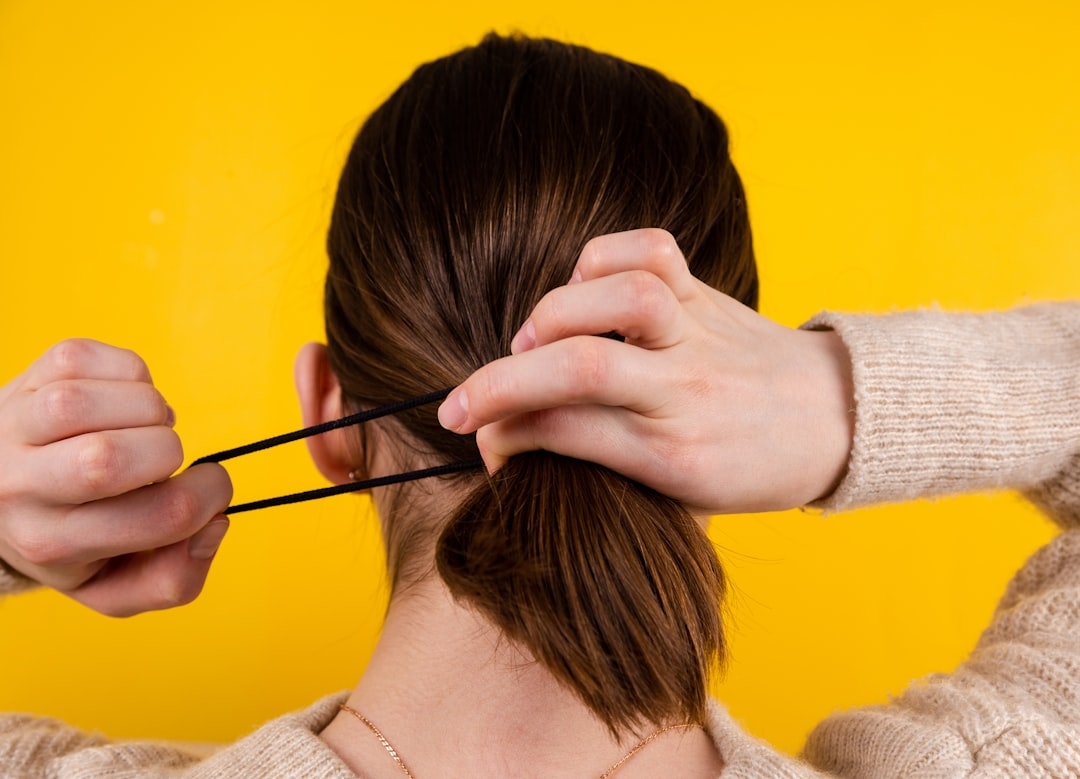
Loose hairstyles that don’t pull on the scalp are best. Tight plaits or buns can cause traction alopecia (hair loss from tension). Protective styles are fine if they’re not too tight. Generally, wearing your hair down or in loose waves is gentlest. Aim to let your hair be loose at least half the day.
Speeding up hair growth is entirely achievable without expensive treatments or unrealistic expectations. The methods here are scientifically sound, budget-friendly, and practical for everyday life. Start by addressing scalp health and nutrition, eliminate sources of breakage, and manage stress. Within 3-6 months, you’ll notice stronger, longer, healthier hair. The investment is small, but the payoff—longer, more confident hair—is significant. Begin with one or two changes this week, then build from there. Consistency matters far more than perfection.