Contents:
- Do You Have to Shave Your Head for Hair Transplant?
- FUT (Follicular Unit Transplant) Procedure
- FUE (Follicular Unit Extraction) Procedure
- Advanced Shaving Alternatives (Newer Clinics)
- The Donor Area Shaving Requirement Explained
- What the Pros Know
- Real-World Timeline: Managing the Visible Shaving Period
- Cost Breakdown: Standard Hair Transplant Pricing (UK, 2026)
- Pre-Operative Shaving Instructions
- Frequently Asked Questions
- How long does it take for hair to grow back after shaving for transplant?
- Can you wear a hat immediately after hair transplant?
- Will people notice you had a hair transplant?
- Do you have to shave your head for hair transplant if you’re already bald?
- Can you avoid shaving by using a different hair transplant method?
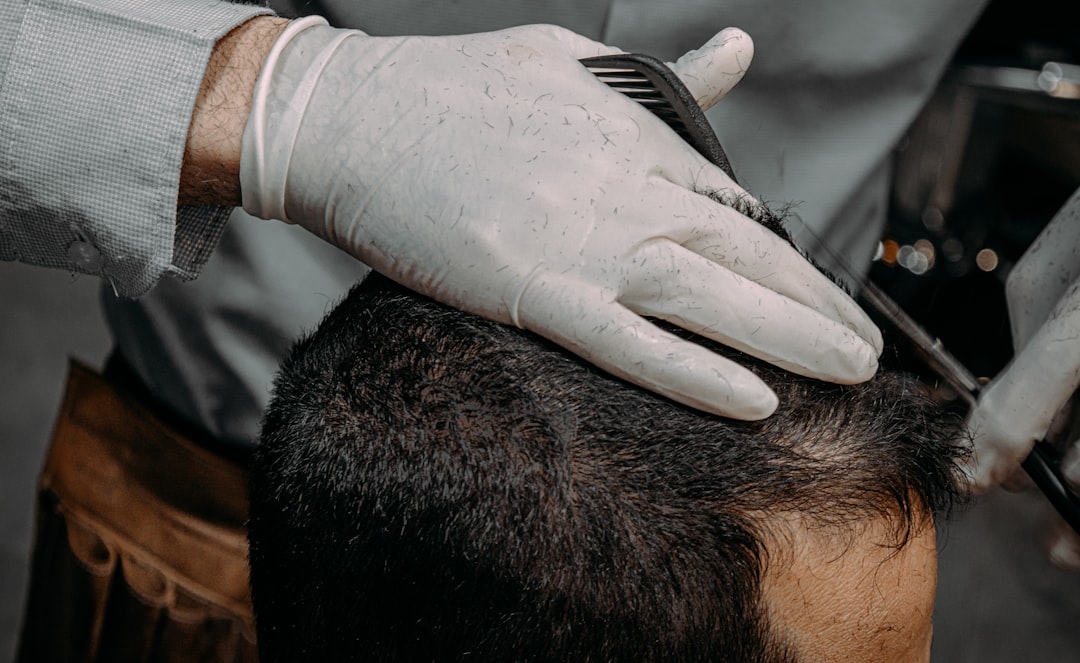
You’ve decided to get a hair transplant, but the thought of shaving your head feels like a public declaration of your procedure. Do you have to shave your head for hair transplant surgery? The short answer is nuanced: most clinics require shaving the donor area (back of scalp), but some newer techniques minimise visible baldness immediately post-procedure. Understanding your options allows you to prepare mentally and plan recovery timing.
Do You Have to Shave Your Head for Hair Transplant?
Traditional hair transplant techniques require shaving the donor area (where grafts are harvested) to 1–2mm length. This visibility is temporary—your hair regrows within 2–3 weeks—but it’s worth understanding upfront. Modern techniques are developing alternatives, though complete head-shaving isn’t always avoidable.
FUT (Follicular Unit Transplant) Procedure
FUT removes a strip of scalp from the back of your head, then dissects it into individual grafts under a microscope. The donor strip removal leaves a linear scar approximately 10–15cm long. Clinics require shaving the entire donor area (lower back of head) to 0.5–1mm so the surgeon can clearly see and work with scalp tissue. This is non-negotiable for FUT.
Recovery timeline: after 10–14 days, the back heals and stitches are removed. You can start growing this area out immediately. Within 3 weeks, 1cm of new growth covers the surgical area. Within 8 weeks, enough density returns that the shaved appearance is no longer noticeable from above.
FUE (Follicular Unit Extraction) Procedure
FUE harvests individual hair follicles using a punch tool (0.8–1mm diameter), leaving tiny circular marks instead of a linear scar. Clinics still require shaving the donor area because the punch extraction process is more visible without shaved scalp, and the surgeon needs clear visibility of individual follicles to avoid damaging surrounding hair.
However, because FUE extracts individual follicles rather than a strip, the donor area can be smaller. Some clinics shave only the donor area (roughly 15–20% of the back scalp) rather than the entire back of the head. This is one advantage FUE has over FUT—you can minimise visible shaving if you don’t donate a huge number of grafts.
Advanced Shaving Alternatives (Newer Clinics)
Some clinics in London and Manchester offer FUE with partial shaving—shaving only the specific donor area, leaving surrounding hair intact. This requires more surgical precision and patient communication but reduces immediate post-op visibility. Cost: typically £1,500–£3,000 more than standard FUE (totalling £8,000–£13,000 instead of £6,000–£10,000).
One clinic (Manchester’s Follicle Clinic, as of 2026) offers “hairline shaving” only—shaving just the hairline recipient area where grafts are implanted—allowing donors to conceal results more easily. This technique requires skilled implantation and adds approximately £2,000 to the procedure cost.
The Donor Area Shaving Requirement Explained
Surgeons require shaved scalp for three practical reasons:
- Visibility: Shaved scalp allows the surgeon to clearly identify individual hair direction, density patterns, and follicle groups. Hair in the way obscures these landmarks, increasing error risk.
- Hygiene: Shaved scalp is easier to sanitise and reduces infection risk during extraction or incision.
- Extraction precision: With FUE, the punch tool must align perfectly with each follicle. Even 2–3mm hair can obscure the angle, causing the punch to damage surrounding follicles.
These aren’t arbitrary requirements—they genuinely affect surgical outcomes. Clinics that skip these precautions often produce lower-quality results with more graft damage.
What the Pros Know
Professional tip: Schedule your hair transplant 2–3 weeks before a significant event (wedding, work presentation, important date). Your hair will have regrown enough that the shaved appearance is unnoticeable, but the transplanted grafts will have established well enough to survive normal handling. Avoid the immediate 2-week post-op window when grafts are still delicate and the shaving is most visible.
Real-World Timeline: Managing the Visible Shaving Period
Michael, a London consultant, had FUE in March 2026. He was concerned about visible shaving affecting work meetings. His clinic shaved only the donor area (25% of the back scalp) rather than the entire back. For 2 weeks, he wore his hair slightly longer on top and styled it forward—colleagues didn’t notice. By week 3, enough regrowth was visible that the shaved area blended. By week 8, the donor area looked completely normal. Total visible concern period: 10–14 days with strategic hairstyling.
His strategy: let your hair grow 2–3cm longer than usual before the procedure. This length helps conceal shaved areas whilst regrowth occurs. Avoid extreme styles that expose the back of your head during the 2-week recovery window.
Cost Breakdown: Standard Hair Transplant Pricing (UK, 2026)
Shaving requirements affect visible recovery but not the core procedure cost:
- FUT procedure: £4,000–£8,000 (depends on graft count; lower cost clinics around £4,000–£5,000, premium clinics £7,000–£8,000)
- FUE procedure: £6,000–£10,000 (more time-intensive; higher-end clinics like King’s College London private clinic £10,000–£12,000)
- Advanced partial-shaving FUE: £8,000–£13,000
- Follow-up appointments and post-op care: included in most UK clinic packages
Shaving is typically included in the procedure cost—you don’t pay separately. However, clinics offering minimal shaving techniques charge premium pricing (approximately 15–30% more) because they require additional surgical skill.
Pre-Operative Shaving Instructions
Your clinic will provide specific shaving instructions. Standard protocol:
- Shave the morning of your procedure or the evening before (not 3–4 days earlier, as stubble creates visibility issues)
- Use a fresh razor to minimise irritation to the scalp
- Shave in the direction of hair growth, not against it
- If you’re uncomfortable shaving yourself, ask your clinic—most provide pre-operative shaving as part of the procedure (arrive unshaved, they shave you in-clinic)
- Don’t shave aggressively or use harsh products; the scalp will be treated with surgical-grade antiseptics immediately after
Many patients prefer in-clinic shaving because it’s one less thing to worry about and ensures the scalp is shaved to surgical standards.
Frequently Asked Questions
How long does it take for hair to grow back after shaving for transplant?
Hair regrows at approximately 6mm monthly. The shaved area shows visible regrowth (1–2cm of length) within 3 weeks. The shaved appearance is no longer noticeable from above within 4–6 weeks. Full density at the donor site typically returns within 8–12 weeks, but by then, the length is sufficient that the shaving is completely hidden.
Can you wear a hat immediately after hair transplant?
Not immediately. Hats trap heat and moisture, increasing infection risk during the critical first 7 days post-op. After 1 week, loose hats are acceptable. Most surgeons recommend waiting until week 3 before wearing fitted hats or caps that contact the transplant area. This is one advantage of the shaving—exposed scalp heals faster than scalp covered by hair and hats.
Will people notice you had a hair transplant?
Immediately post-op (first 2 weeks): yes, if they see the shaved areas. After 4 weeks: no, hair has regrown enough to obscure the procedure. After 3–4 months: the transplanted hairs are growing in, creating slightly unusual density in the recipient area, but this looks like natural thickening to most observers. After 12 months: completely natural—transplanted hairs have integrated fully.
Do you have to shave your head for hair transplant if you’re already bald?
Yes, even if you’re completely bald, the surgical team shaves the donor area (usually the sides and back of the scalp) for the reasons explained above. This doesn’t add visible concern if you’re already bald, but it’s part of the surgical protocol.
Can you avoid shaving by using a different hair transplant method?
Largely no. FUE minimises shaving (you can do partial shaving) but doesn’t eliminate it. Robotic-assisted FUE (ARTAS system, available at select UK clinics) still requires shaved donor area for the robot to identify follicles accurately. There’s currently no hair transplant method that completely avoids donor area shaving without significantly compromising graft survival and quality.