Contents:
- The Real Consequences of Sleeping With Wet Hair
- How Wet Hair Affects Different Hair Types
- Fine and Thin Hair
- Curly and Coily Hair
- Straight and Medium Hair
- Seasonal Factors: Does Timing Matter?
- What the Pros Know: A Salon Insider’s Tip
- Practical Alternatives to Sleeping With Wet Hair
- Microfibre Towels and Plopping
- Leave-In Conditioners and Serums
- Silk or Satin Pillowcases
- Pre-Drying Before Bed
- When Sleeping With Wet Hair Might Be Acceptable
- Frequently Asked Questions
- The Bottom Line
You’ve probably heard it a thousand times: sleeping with wet hair will ruin your locks. Your mum warned you. Your hairdresser mentioned it. But here’s what nobody actually bothers to explain—why does it supposedly matter? This article separates myth from reality and gives you the genuine facts about what happens when you hit the pillow with damp hair.
The Real Consequences of Sleeping With Wet Hair
Sleeping with wet hair doesn’t cause permanent damage in the way people often assume. Your hair won’t fall out, and you won’t wake up bald. What actually happens is far more nuanced. When your hair is wet, the cuticle layer—the protective outer shell of each strand—swells and becomes more vulnerable. In this state, your hair is approximately 30% weaker than when dry, making it prone to breakage.
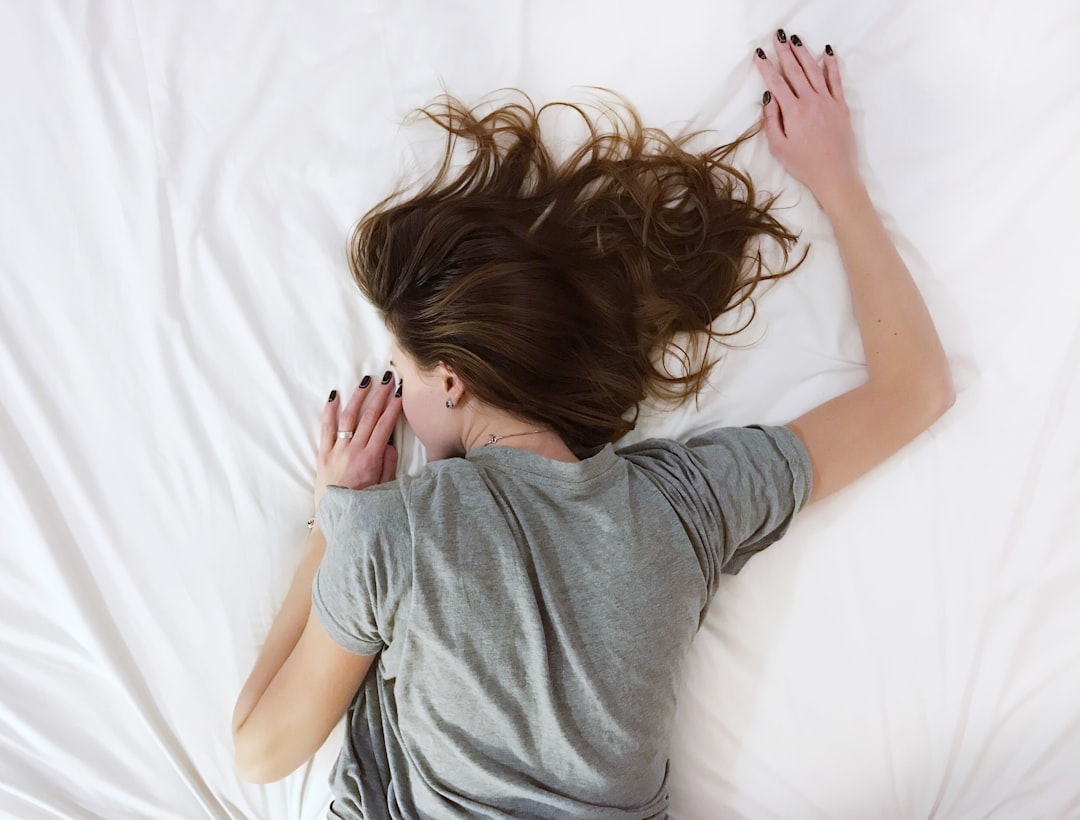
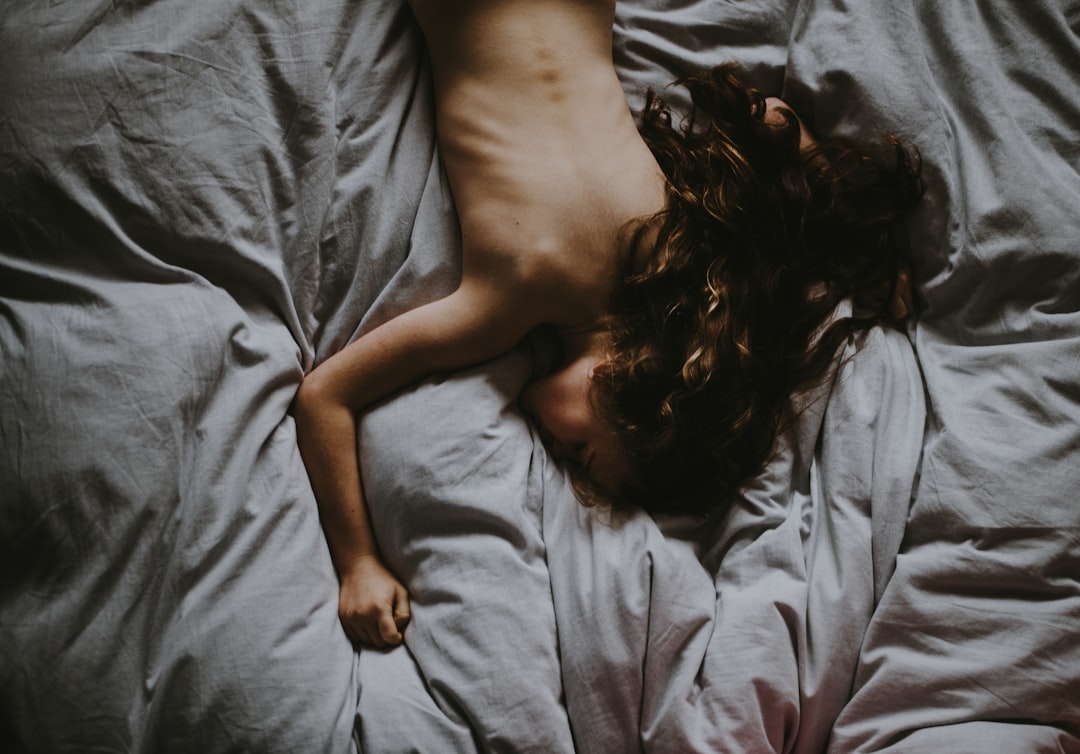
The friction between your wet hair and your pillow creates the real problem. As you move during sleep, wet strands rub against the cotton pillowcase repeatedly. This friction causes micro-tears in the hair shaft and leads to frizz, split ends, and general damage over time. Additionally, wet hair is heavier, and gravity pulls on the strands throughout the night, potentially causing traction stress at the scalp.
According to Claire Meadows, a certified trichologist based in London, “The issue isn’t moisture itself—it’s the mechanical stress. When hair is wet and you’re in a vulnerable sleep state, you’re essentially letting your hair rub against rough surfaces for six to eight hours straight. That’s where the damage accumulates.” This insight highlights why prevention matters more than panic.
How Wet Hair Affects Different Hair Types
The impact of sleeping with wet hair varies significantly depending on your hair texture and type. Understanding where you fall on this spectrum helps you decide whether this habit actually affects you.
Fine and Thin Hair
Fine hair is particularly susceptible to breakage when wet. The individual strands have less structural integrity, and the added weight of moisture can strain the hair follicles. If you have fine hair, you’ll likely notice more tangles and frizz after sleeping wet, which compounds the damage with rough towel drying the next morning.
Curly and Coily Hair
Curly hair types actually benefit from some moisture retention, but sleeping wet presents unique challenges. As your curls dry unevenly overnight, they lose definition and become frizzy. You’ll spend more time re-curling or restyling the next day, which means additional heat damage and manipulation. For textured hair, pineapple method (gathering hair on top of the head loosely) or silk bonnets are far superior to sleeping flat with dripping wet curls.
Straight and Medium Hair
Straight to wavy hair experiences moderate impact from sleeping wet. You might notice slight frizz and potential wave development where you don’t want it, but the damage risk is lower than with finer textures. Still, the friction damage applies across all hair types.
Seasonal Factors: Does Timing Matter?
The season affects how damaging wet sleep actually is. During winter months (November to February), your hair takes longer to air-dry, meaning extended vulnerability time. Indoor heating also creates drier air, which compounds moisture loss and frizz when you finally do dry your hair. Winter sleeping with wet hair is decidedly worse.
Summer months present a different challenge. Warm weather accelerates drying, but humidity levels mean your hair dries with moisture still coating the cuticles. This can lead to flatness or unwanted waves. Spring and autumn pose fewer complications, as moderate temperatures and humidity levels mean you can recover more easily.
What the Pros Know: A Salon Insider’s Tip
The Moisture vs. Structure Trade-off: Professional stylists understand that healthy hair requires both moisture and structural integrity. Sleeping with soaking wet hair sacrifices structure for temporary moisture retention—a losing bargain. Hair needs time to properly absorb moisture in a controlled way, not while lying flat under pressure. This is why a proper nighttime routine beats sleeping wet every single time.
Practical Alternatives to Sleeping With Wet Hair
If you’re concerned about damage (and honestly, you should be for regular habits), several evidence-based approaches work better than sleeping wet.
Microfibre Towels and Plopping
Standard towels create friction that damages hair when you roughly rub wet strands. Microfibre towels reduce this friction by up to 50%, and the plopping technique—wrapping damp hair on top of your head for 10-15 minutes—helps absorb excess water while minimising damage. This simple shift takes five minutes and makes a measurable difference.
Leave-In Conditioners and Serums
Apply leave-in conditioner to damp (not soaking wet) hair before bed. Products with silicone or natural oils create a protective barrier that reduces friction damage and frizz. Look for options in the £8-£15 range from UK chemists. Applied to damp rather than wet hair, these products are far more effective.
Silk or Satin Pillowcases
This is the single most impactful change you can make. Silk and satin pillowcases (around £12-£25 online) reduce friction by approximately 40% compared to cotton. Your hair slides across the smooth surface rather than catching and breaking. This works whether your hair is wet or dry, making it a worthwhile investment.
Pre-Drying Before Bed
Air-dry your hair until it’s 70-80% dry before bed, then sleep. This gives you the moisture benefits without the extended vulnerability period. A lightweight microfibre turban can absorb extra moisture while you prepare for sleep, getting you to this point faster.
When Sleeping With Wet Hair Might Be Acceptable
There are limited scenarios where occasional wet sleeping causes minimal damage. If you have very short hair (under two inches), the reduced surface area and shorter strand length mean less friction damage accumulates. If you’re using silk pillowcases AND a silk hair wrap, you’ve minimised most mechanical stress.
One-off instances don’t cause permanent damage—it’s the repeated habit that matters. Missing one evening after a late shower won’t ruin your hair. The cumulative effect of sleeping wet three or four nights per week, however, definitely will.
Frequently Asked Questions
Q: Does sleeping with wet hair cause baldness?
A: No. Sleeping with wet hair will not cause permanent hair loss or baldness. However, repeated mechanical stress from friction can lead to temporary increased breakage and shedding, which you’ll notice as more hair in your brush. This is different from true hair loss.
Q: Can wet hair cause fungal infections or scalp problems?
A: Sleeping with wet hair doesn’t directly cause infections. Your scalp has natural defences. However, prolonged moisture near the scalp throughout the night can create an environment where existing scalp conditions might worsen. If you have dandruff or scalp sensitivity, dry your hair first.
Q: How long can I safely sleep with wet hair?
A: There’s no specific safe duration. Even one night creates mechanical stress. The issue is repetition, not a single occurrence. If this is an occasional habit, occasional damage occurs. If it’s nightly, cumulative damage is significant.
Q: Will a hair mask or deep conditioner protect wet hair overnight?
A: Not sufficiently. A mask adds moisture but doesn’t address the fundamental problem: friction from movement and gravity pulling on wet strands. Masks help hair recover from damage, but they don’t prevent it. Use them separately from sleeping.
Q: Is it better to braid wet hair before sleeping?
A: Braiding damp hair can work if done loosely. A tight braid creates tension stress instead of friction stress—not necessarily better. A very loose plait with a silk scrunchie or band offers mild protection, but it’s far inferior to proper drying or using a silk pillowcase.
The Bottom Line
Sleeping with wet hair does cause cumulative damage through mechanical stress, not through moisture itself. For most people, making the shift takes minimal effort: swap your pillowcase for silk, use a microfibre towel, or simply air-dry to 75% before bed. These practical changes eliminate most of the genuine risk without requiring dramatic lifestyle changes. Your hair will thank you—and you’ll notice fewer tangles, less frizz, and stronger strands within a few weeks. The choice is yours, but the evidence is clear.