Contents:
- The Visual Signs of Greasy Hair: What You’re Actually Seeing
- Why Your Scalp Produces Excess Oil: The Root Causes
- How to Identify Greasy Hair vs. Other Hair Issues
- Practical Solutions: What Actually Works
- The Washing Strategy That Stops the Cycle
- The Right Products Make Measurable Difference
- Scalp Treatment and Exfoliation
- The Role of Styling and Heat Tools
- Lifestyle Factors That Shift the Balance
- When Greasy Hair Signals an Underlying Condition
- FAQ: Your Greasy Hair Questions Answered
- Moving Forward: Sustainable Greasy Hair Management
Quick Answer: Greasy hair appears limp, flat, and shiny with visible oil residue from roots to mid-lengths. Strands clump together, the scalp feels slick, and you may notice a visible shine within hours of washing. The hair lacks volume and texture, and styling products won’t hold effectively.
You’ve just stepped out of the shower, your hair still damp and seemingly fresh. Fast forward to lunchtime, and your waves have deflated into a limp fringe. Your normally voluminous crown now clings to your head in stringy sections. By evening, what was once bouncy and textured has transformed into something resembling an oil slick. Sound familiar? That’s the unmistakable look of greasy hair, and millions of people in the UK experience this daily frustration.
The frustration isn’t just about appearance—it’s about feeling like your hair care routine has stopped working, or worse, that something’s wrong with you. Greasy hair doesn’t happen in a vacuum. Understanding what it actually looks like, why it happens, and how to address it transforms the whole experience from bewildering to manageable.
The Visual Signs of Greasy Hair: What You’re Actually Seeing
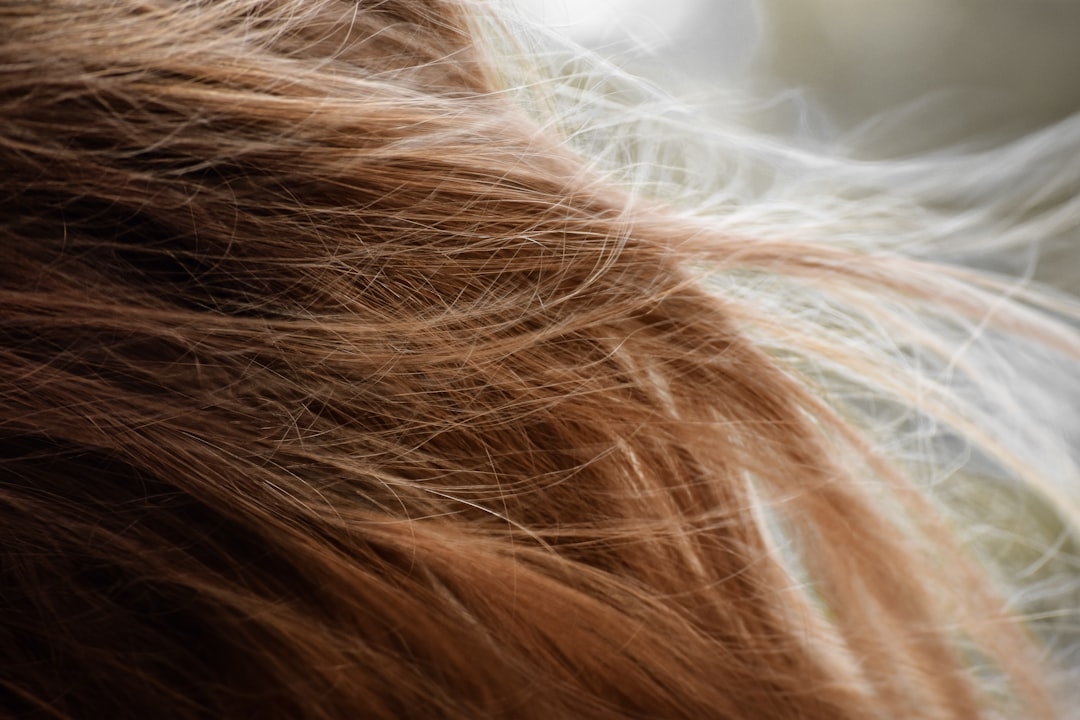
Greasy hair has a distinctive appearance that goes beyond just looking “oily.” The most obvious indicator is the visible shine that catches light in an unflattering way. Unlike the healthy sheen of conditioned hair, which appears luminous and soft, greasy hair has a thick, glossy finish that looks almost wet even when completely dry.
The texture changes dramatically. Individual strands stick together in clumps rather than separating naturally. Where you’d normally see movement and bounce, you see defined sections of hair adhering to each other. At the roots, the scalp becomes visibly shiny, and you might notice darker roots even on lighter hair—the moisture and oil cause the hair pigment to appear more saturated.
Hair that was previously voluminous falls flat. Curls lose their definition and become stringy. Waves collapse into limp sections. Even if you’ve blow-dried and styled your hair perfectly, greasy strands won’t hold their shape because the weight of the oil pulls them down. Styling products slide right off instead of gripping the hair shaft.
Why Your Scalp Produces Excess Oil: The Root Causes
Your sebaceous glands—those tiny oil-producing factories on your scalp—serve an important purpose. They produce sebum, a natural protective oil that keeps your scalp healthy and hair waterproofed. But sometimes the production gets out of balance, and you end up with far more sebum than you need.
Several factors trigger overproduction. Hormonal shifts play a significant role, particularly during puberty, menstruation, or when using certain contraceptives. Stress cranks up cortisol levels, which signals your sebaceous glands to produce more oil as part of your body’s stress response. Diet high in refined carbohydrates and unhealthy fats can also tip the scales toward excessive sebum production.
Environmental factors matter too. Humidity makes existing oil appear worse by causing hair to swell and cling together more readily. Hard water minerals can build up on the hair shaft and scalp, trapping oil. Even frequent hair washing plays a counterintuitive role—strip your scalp of all its natural oils, and it overcompensates by producing even more sebum in response.
How to Identify Greasy Hair vs. Other Hair Issues
The distinction matters because the treatment is different. Greasy hair specifically means excess oil at the roots and throughout the hair, usually visible within hours of washing. Limp or thin hair, by contrast, often stems from damaged cuticles or lack of protein, not excess oil. You might have thin hair that doesn’t necessarily look greasy.
Dry scalp with oily ends is another common pattern—particularly after chemical treatments or prolonged heat styling. Your scalp produces insufficient oil, so it’s tight and flaky, but the oils that do exist travel down the hair shaft and accumulate on the ends. This isn’t the same as overall greasy hair.
Practical Solutions: What Actually Works
The Washing Strategy That Stops the Cycle
Counterintuitively, washing less frequently often improves greasy hair faster than washing more. When you wash daily, you strip natural oils, triggering your scalp to overproduce sebum. Many people find that shifting to every other day or every third day initially makes things worse (the “transition period” lasts 2-3 weeks), but then dramatically improves. Your scalp eventually rebalances and produces only what’s needed.
When you do wash, use lukewarm water—hot water signals your scalp to produce more oil. A clarifying shampoo once weekly removes product buildup that traps oil, but use regular shampoo the other times to avoid stripping too aggressively. Cost-wise, a decent clarifying shampoo costs £8-£15 per bottle and lasts 6-8 weeks with weekly use.
The Right Products Make Measurable Difference
Look for lightweight, volumizing shampoos formulated specifically for oily hair. These contain ingredients like tea tree oil, salicylic acid, or clay that absorb excess sebum without leaving residue. Avoid heavy conditioners on roots—apply conditioning products only to the mid-lengths and ends.
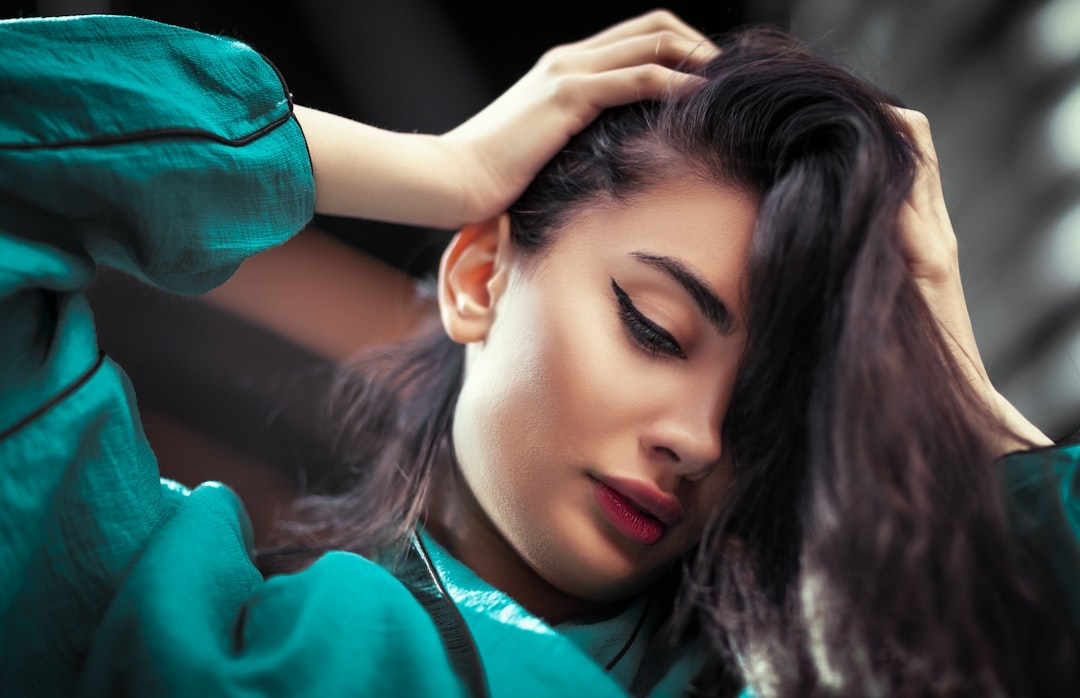
Dry shampoo becomes your secret weapon between washes. A spray or powder formulation (£4-£8) extends your styling by 1-2 days and absorbs fresh oil production. Apply to roots only, massage in, and brush through thoroughly to avoid that chalky appearance.
Scalp Treatment and Exfoliation
A weekly scalp scrub or exfoliating treatment removes dead skin cells and product buildup that encourage oil to accumulate. Brands like Philip Kingsley or Briogeo offer dedicated scalp treatments priced £15-£25. Alternatively, massage your scalp with an old toothbrush while shampooing—costs nothing and effectively loosens buildup.
The Role of Styling and Heat Tools
Your styling choices amplify or reduce the greasy appearance significantly. Blow-drying hair completely rather than leaving it damp creates volume at the roots, which counteracts that flat, greasy look. Using a volumizing mousse or light spray before blow-drying helps too.
Touching your hair constantly throughout the day transfers oils from your hands to your hair shaft, making it look greasier faster. If you’re a chronic hair-toucher, become conscious of it and use loose styles like ponytails or braids that keep hair off your face and reduce the impulse to run your hands through it.
Lifestyle Factors That Shift the Balance
Diet changes produce real results. Reducing fried foods, refined sugars, and excessive dairy can decrease sebum production within 4-6 weeks for some people. Increasing water intake helps maintain scalp hydration, which paradoxically can reduce overproduction of oil.
Sleep quality affects hormone levels that regulate sebum production. Consistently poor sleep elevates cortisol, signaling your body to produce more oil. Aim for 7-9 hours nightly for at least two weeks and monitor whether your hair improves.
Manage stress through exercise, meditation, or activities you enjoy. Even 20 minutes of daily walking or yoga can lower cortisol levels enough to reduce excessive oil production noticeably.
When Greasy Hair Signals an Underlying Condition
Most greasy hair stems from the factors above and responds to adjusted routines. However, certain conditions cause excessive sebum production that topical treatments alone won’t fix. Seborrheic dermatitis causes greasy, flaky scalp with visible inflammation. Polycystic ovary syndrome (PCOS) and other hormonal disorders increase sebum production throughout the body.
If your greasy hair accompanies persistent scalp itching, visible irritation, flaking, or hair loss, consult your GP or a trichologist. Hormone-related cases may benefit from medical intervention, not just better shampoo.
FAQ: Your Greasy Hair Questions Answered
Q: How quickly can I see improvement after changing my routine?
Most people notice a slight improvement within one week of switching products or adjusting wash frequency. Significant improvement typically appears within 3-4 weeks. Your scalp’s oil production takes time to rebalance, so patience is essential.
Q: Is greasy hair a sign I have too much protein in my routine?
No. Greasy hair results from excess sebum, not protein buildup. Protein-heavy conditioning can make oily hair feel heavy, so use lightweight conditioners, but greasy appearance specifically indicates scalp oil overproduction.
Q: Can water quality affect how greasy my hair looks?
Yes. Hard water contains minerals that accumulate on your scalp and hair, trapping oil and making greasy hair look worse. Installing a shower filter (£25-£60) can help, or use a chelating shampoo monthly to remove mineral buildup.
Q: What’s the fastest way to make greasy hair look better right now?
Dry shampoo applied to roots and blow-dried hair provides immediate improvement. Textured styling like braids or waves disguises greasy-looking flat sections. For urgent situations, an updo keeps oily hair off your face entirely.
Q: Do expensive shampoos work better than budget options for greasy hair?
Price doesn’t guarantee effectiveness. Look for key ingredients like salicylic acid, tea tree oil, or clay rather than brand name. Many supermarket options (£2-£5) work as well as premium brands (£15-£25). What matters most is finding a formula that suits your hair’s specific needs.
Moving Forward: Sustainable Greasy Hair Management
Understanding what greasy hair looks like—that distinctive limp texture, the clumping strands, the unflatteringly thick shine—helps you recognize the problem clearly and act accordingly. The good news is that greasy hair responds well to systematic changes. Whether you adjust your washing routine, invest in targeted products, or address lifestyle factors, improvements are genuinely achievable.
Start with one change this week. If it’s washing less frequently, commit to three days between shampoos. If it’s products, switch to a clarifying shampoo and lightweight conditioner. Pick one adjustment, stick with it for three weeks, then add another. Your scalp will respond, your hair will regain its shape, and that perpetually oily appearance will gradually fade. The transformation isn’t instant, but it’s absolutely within reach.