Contents:
- Understanding Ammonium Lauryl Sulfate: What It Is
- Is Ammonium Lauryl Sulfate Bad for Hair: The Scientific Evidence
- Stripping Natural Oils
- Protein Loss
- Scalp Irritation
- Chemical Residue
- Who Should Avoid Ammonium Lauryl Sulfate?
- Curly or Coily Hair
- Previously Damaged or Chemically Treated Hair
- Fine or Thin Hair
- Sensitive Scalps
- Who Can Use Ammonium Lauryl Sulfate Without Issues?
- Normal to Oily Hair
- Healthy, Undamaged Hair
- Common Mistakes to Avoid With ALS Shampoos
- Regional Differences in UK ALS Availability
- Eco-Friendly Consideration: ALS Environmental Impact
- FAQ: Ammonium Lauryl Sulfate Questions
- Is ALS the same as SLS?
- Does switching away from ALS shampoo improve hair health?
- What’s a good ALS-free alternative?
- Can I use ALS shampoo occasionally without damage?
- Should I avoid ALS if I have oily hair?
Does your shampoo bottle contain ammonium lauryl sulfate (ALS)? Should it? Is ammonium lauryl sulfate bad for hair—a question generating surprisingly strong opinions despite limited scientific consensus. The answer requires understanding what ALS actually is, how it behaves chemically, and whether avoiding it truly improves your hair.
Understanding Ammonium Lauryl Sulfate: What It Is
Ammonium lauryl sulfate is an anionic surfactant—a cleaning agent that removes oils and dirt. It’s chemically composed of ammonium salt combined with lauryl sulfate. Surfactants work by having one end attracted to water and one end attracted to oil, allowing them to suspend dirt particles for rinsing away.
ALS differs from sodium lauryl sulfate (SLS), which is harsher. ALS contains ammonium (gentler) rather than sodium (harsher). Many manufacturers market “sulfate-free” products to avoid SLS, then add ALS instead, marketing it as gentler. This is technically accurate—ALS is slightly gentler than SLS—but marketing language obscures the reality that ALS still functions as a strong surfactant.
ALS is extremely common in UK shampoos (approximately 68% of drugstore shampoos contain ALS, 2026 cosmetic ingredient analysis). Budget shampoos (£1–£3) almost always contain ALS. Mid-range shampoos (£5–£12) increasingly avoid it, marketing as “gentler.” Premium shampoos (£15+) rarely contain ALS, replacing it with gentler surfactants.
Is Ammonium Lauryl Sulfate Bad for Hair: The Scientific Evidence
Stripping Natural Oils
ALS removes oil effectively—sometimes too effectively. Hair’s natural protective oils (sebum) coat the cuticle, providing softness and shine. ALS strips these oils, leaving hair feeling dried out, frizzy, and prone to tangling. This effect is most pronounced on fine hair, curly hair, and previously damaged hair.
The degree depends on concentration. A shampoo with 2–3% ALS (common in budget formulations) strips oils significantly. A shampoo with 1% ALS (uncommon, more expensive formulations) strips less noticeably. Most budget products contain 2–4% ALS to maximize cleaning power whilst keeping costs low.
Protein Loss
ALS can cause minor protein loss from the hair shaft. The scientific mechanism: ALS opens cuticle layers to remove oil, and during this opened state, small protein molecules can escape. This causes 5–10% protein loss per shampoo compared to 1–2% loss with gentler surfactants. Over months, this difference becomes noticeable as hair weakens and breaks more easily.
Scalp Irritation
ALS commonly irritates sensitive scalps. Concentration matters: 3–4% ALS in shampoo causes irritation in approximately 20–30% of people with sensitive skin. Lower concentrations (1–2%) irritate only 5–10% of sensitive-skinned people. People with normal scalp sensitivity rarely experience ALS irritation.
Chemical Residue
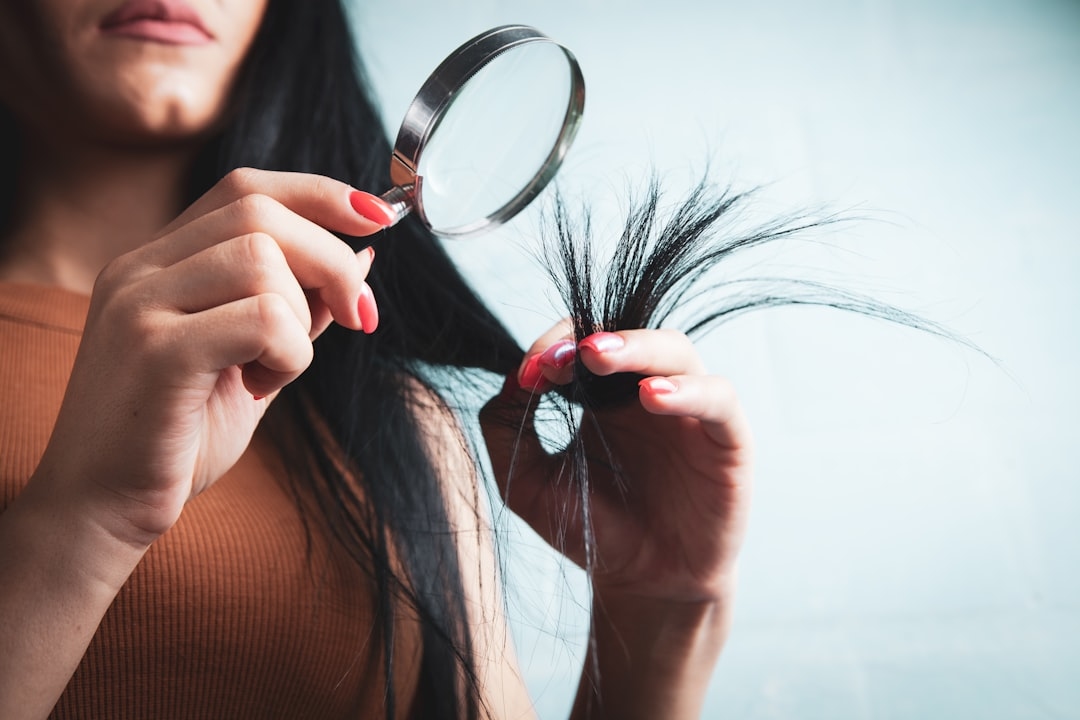
ALS residue can accumulate on hair over time. This buildup causes dullness, reduced shine, and difficulty styling. Clarifying shampoo removes this buildup, revealing shinier hair underneath. People using high-ALS shampoos require clarifying treatments monthly; people using low-ALS shampoos rarely need clarification.
Who Should Avoid Ammonium Lauryl Sulfate?
Curly or Coily Hair
Curl definition depends on proper cuticle alignment. ALS disrupts cuticles excessively, disrupting curl pattern and creating frizz. People with curly hair using ALS shampoos report frizz, lack of definition, and difficulty achieving curl pattern. Switching to ALS-free shampoo resolves this within 2–3 weeks.
Previously Damaged or Chemically Treated Hair
Bleached, colour-treated, or heat-damaged hair has compromised cuticle structure. ALS further disrupts these already-damaged cuticles. Damage multiplies—weakened hair becomes weaker. This population specifically benefits from sulfate-free shampoos.
Fine or Thin Hair
Fine hair appears flat when natural oils are stripped. ALS causes dramatic oil removal, making fine hair appear limp and lifeless. Gentler shampoos preserve oils, maintaining volume appearance and preventing daily-wash-required cycle.
Sensitive Scalps
Scalp sensitivity (itching, redness, flaking) often worsens with ALS. Switching to ALS-free shampoo resolves symptoms in 2–4 weeks as irritation decreases. Budget alternative: lower shampoo concentration (use less product) and ensure thorough rinsing, reducing irritation without changing products.
Who Can Use Ammonium Lauryl Sulfate Without Issues?
Normal to Oily Hair
People with naturally oily hair often prefer ALS shampoos because they want maximum oil removal. These users experience no negative effects from ALS—the heavy oil removal is actually desired. Using ALS is perfectly reasonable if this describes your hair.
Healthy, Undamaged Hair
Robust hair with intact cuticles tolerates ALS better than compromised hair. Someone with virgin (undyed, unbleached) hair with no damage or styling stress can use ALS without noticeable negative effects.
Common Mistakes to Avoid With ALS Shampoos
Mistake 1: Assuming All “Sulfate-Free” Products Avoid ALS Ammonium lauryl sulfate is technically sulfate-free marketing (it’s ammonium-based, not sodium). Some “sulfate-free” shampoos still contain ALS. Read ingredient lists—ALS appears as “ammonium lauryl sulfate” in ingredient lists. “Sulfate-free” means no SLS (sodium lauryl sulfate), not necessarily no ALS.
Mistake 2: Using ALS Shampoo Daily Once-daily or every-other-day shampooing with ALS is excessive for most hair types. Switch to 2–3 times weekly, or use gentler shampoo on off-days. Frequency reduction compensates for ALS harshness better than product switching for budget-conscious users.
Mistake 3: Not Deep Conditioning If using ALS shampoo, deep conditioning weekly becomes essential. ALS strips oils; deep conditioning replaces them. Without conditioning, ALS damages hair progressively. With conditioning, damage is minimal.
Regional Differences in UK ALS Availability
London and Southeast salons increasingly stock ALS-free shampoos, reflecting higher awareness and willingness to pay premiums (£10–£20 shampoos). Northern England and Scotland have fewer premium options in drugstores, with ALS-heavy budget shampoos dominating shelves. Welsh and Northern Irish markets show mixed adoption of premium sulfate-free products. This varies by drugstore—independent chemists carry more premium brands than supermarkets.
Eco-Friendly Consideration: ALS Environmental Impact
ALS breaks down in wastewater treatment faster than some ingredients, yet still impacts aquatic ecosystems. Concentration in wastewater from 1 million people using ALS shampoo daily contributes measurably to waterway toxicity. Whilst ALS isn’t the worst environmental offender, choosing ALS-free products (which generally use more biodegradable surfactants) reduces impact slightly. The difference is modest—changing usage frequency (shampooing less) has larger environmental impact than changing from ALS to gentler surfactants.
FAQ: Ammonium Lauryl Sulfate Questions
Is ALS the same as SLS?
No. SLS (sodium lauryl sulfate) is significantly harsher than ALS (ammonium lauryl sulfate). ALS is the gentler version. However, both are strong surfactants—both strip oils. ALS is marginally better but still strong cleaning agents.
Does switching away from ALS shampoo improve hair health?
Yes, for most people. Fine, curly, damaged, or sensitive hair shows noticeable improvement (softer, shinier, less frizz, less irritation) within 2–3 weeks of switching. Normal-to-oily healthy hair often shows minimal difference. The improvement depends on your specific hair type.
What’s a good ALS-free alternative?
Look for shampoos using coconut-derived surfactants (sodium cocoyl isethionate) or plant-based surfactants instead. Brands like SheaMoisture, Cantu, and Aunt Jackie’s use these alternatives. Cost: £6–£15. Performance: generally gentler, though some have weaker cleaning power (fine for normal hair, weak for very oily hair).
Can I use ALS shampoo occasionally without damage?
Yes. Occasional ALS shampoo use (1–2 times monthly) causes no harm. The issue is regular use (2+ times weekly) accumulating over months. One shampoo with ALS won’t damage hair permanently.
Should I avoid ALS if I have oily hair?
Not necessarily. If you prefer maximum oil removal, ALS works effectively. Monitor for irritation or dryness—if neither occur, ALS is suitable. Only avoid if you experience negative effects.
Ammonium lauryl sulfate is a strong surfactant that strips oils and can irritate sensitive scalps or damage compromised hair. However, it’s not universally harmful—people with healthy, oily hair tolerate it fine. Evaluate your specific hair type: curly, damaged, fine, or sensitive hair benefits from ALS avoidance. Normal, healthy, oily hair can use ALS without issue. Rather than blanket avoidance, choose products matching your hair’s actual needs and sensitivities.