Contents:
- What Is a Derma Roller and How Does It Work for Hair?
- The Science Behind Scalp Microneedling
- Choosing the Right Derma Roller for Scalp Use
- Needle Size and Depth
- Needle Count and Quality
- How to Use a Derma Roller for Hair: Step-by-Step Process
- Preparation: Cleaning and Sterilisation
- Section Your Scalp
- Rolling Technique
- Post-Rolling Care
- Serums and Products to Use With Your Derma Roller
- Minoxidil (Rogaine)
- Growth Factor Serums
- Caffeine Serums
- Scalp Nourishing Oils
- Frequency and Timeline: How Often to Use a Derma Roller for Hair
- Recommended Schedule
- Timeline for Results
- What the Pros Know: Insider Insights
- Combining Derma Rolling With Other Hair Growth Strategies
- Derma Rolling + Minoxidil
- Derma Rolling + Nutrition
- Derma Rolling + Stress Reduction
- Derma Rolling + Protective Styling
- Common Mistakes to Avoid When Using a Derma Roller
- Safety Considerations and When Not to Use a Derma Roller
- Cost Breakdown: Budget for Derma Rolling Hair Growth
- FAQ
- How deep should a derma roller needle go for hair growth?
- Can I use a derma roller if I’m on minoxidil?
- How long does a derma roller last?
- Will derma rolling cause permanent scarring?
- How quickly will I see hair growth results with a derma roller?
Quick Answer
A derma roller is a handheld device with tiny needles that create microscopic punctures in the scalp, triggering the healing response and potentially stimulating hair growth. Use a 0.5-1.5 mm needle roller once weekly, rolling gently across the scalp in multiple directions for 10-15 minutes. Results take 3-6 months to become visible. It’s safe and affordable (£15-50) but requires consistent use and realistic expectations.
Most people believe derma rollers grow hair by themselves. They don’t. A derma roller is a tool that creates conditions for growth by stimulating blood flow and activating scalp healing mechanisms. Combined with proper nutrition, stress reduction, and hair health products, it becomes genuinely useful. Misusing it or expecting overnight results guarantees disappointment. Understanding how to use a derma roller for hair correctly transforms it from gimmick to legitimate growth support.
What Is a Derma Roller and How Does It Work for Hair?
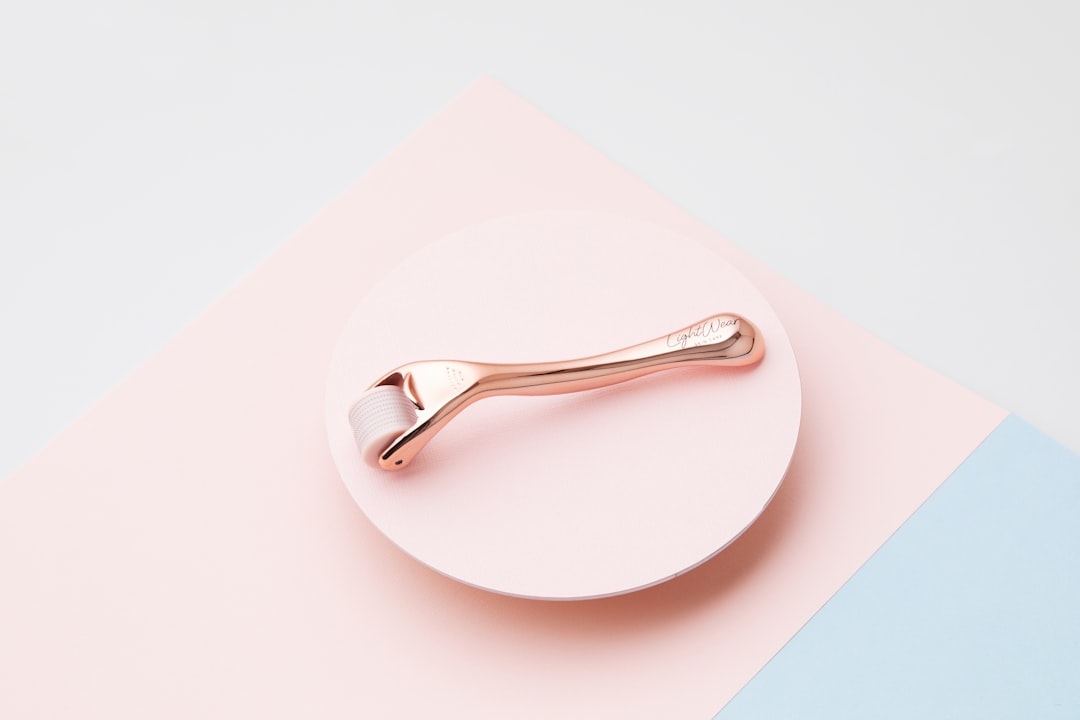
A derma roller is a cylindrical device covered in hundreds of tiny surgical-grade needles arranged in rows. When rolled across the scalp, these needles create controlled microscopic punctures (0.5-2 mm deep depending on needle size). Your body interprets these micro-injuries as damage needing repair. The healing response triggers increased blood flow, collagen production, and release of growth factors to the area.
For hair specifically, this stimulation reaches hair follicles and the dermal papilla (the structure feeding each follicle). Increased blood flow delivers more oxygen and nutrients. Growth factors like VEGF (vascular endothelial growth factor) and FGF (fibroblast growth factor) are released, potentially triggering follicles from the resting phase into the growth phase.
The Science Behind Scalp Microneedling
Studies on derma rolling for hair show modest but real results. A 2019 study published in Dermatology Practical & Conceptual found that weekly microneedling combined with minoxidil (Rogaine) improved hair growth by 45% compared to minoxidil alone. A 2021 systematic review concluded that microneedling shows potential for androgenetic alopecia (pattern hair loss) but results are variable and depend on consistency, needle depth, and individual factors.
The key finding: derma rolling alone provides marginal benefit. Combined with proper hair care, nutrition, and ideally minoxidil or other treatments, it becomes substantially more effective. Realistic expectation: 15-30% improvement in hair growth when used consistently over 6+ months.
Choosing the Right Derma Roller for Scalp Use
Needle Size and Depth
Derma rollers come in sizes ranging from 0.25 mm to 2.5 mm. For scalp use, this matters tremendously:
- 0.25-0.5 mm: Safe for daily use but too shallow for meaningful hair growth stimulation. Works for skin care on the face, not for hair.
- 0.75-1.0 mm: Optimal for hair growth. Creates sufficient depth for scalp stimulation without excessive bleeding or pain. Recommended for beginners.
- 1.5 mm: Aggressive. Creates visible micro-bleeding and significant sensations. Use weekly only, requires experience.
- 2.0-2.5 mm: Medical-grade, requires professional application. Causes substantial bleeding and requires aftercare. Not recommended for home use.
For most people, a 0.75-1.0 mm roller provides the best risk-to-benefit ratio. Cost: £15-40. A 1.5 mm roller costs £20-50. Medical-grade devices (2.0+ mm) cost £100-300 and require professional use.
Needle Count and Quality
A quality derma roller has 540-1200 needles arranged in neat rows. Budget rollers (£5-10) have fewer needles or poorly arranged ones, creating uneven puncturing and increased skin damage. Mid-range rollers (£20-40) have 700-900 needles and good construction. Premium rollers (£40-80) use surgical-grade stainless steel, ergonomic handles, and precise needle spacing.
Recommendation: invest in a mid-range roller (£25-40). It provides good quality without the premium price. Replace every 3-6 months (needles dull with use).
How to Use a Derma Roller for Hair: Step-by-Step Process
Preparation: Cleaning and Sterilisation
Before each use, sterilise the roller. Wash it with warm water and antibacterial soap, then soak in 70% isopropyl alcohol for 5-10 minutes. Dry completely on a clean cloth. This removes bacteria and prevents infection from the micro-punctures you’re about to create.
Clean your scalp too. Wash hair with a regular shampoo 2-4 hours before rolling (not immediately before—wet scalp is more painful and harder to work with). Dry completely. Avoid heavy products or oils, which interfere with needle penetration.
Section Your Scalp
Divide your scalp into 4-6 sections using mental landmarks or clips. This ensures you cover the entire scalp evenly. Typical sections: center crown, front crown, left side, right side, back left, back right. Work one section at a time.
Rolling Technique
This is crucial. Incorrect technique causes unnecessary pain and uneven results. The proper method:
- Apply light pressure only. Never press hard. The weight of the roller itself is sufficient. Pressing hard causes excessive bleeding, pain, and potential scalp damage.
- Roll vertically (front to back): in one section, roll from the front hairline toward the back of the head 5-10 times. Use a smooth, controlled motion.
- Roll horizontally (side to side): now roll side to side across the same section 5-10 times.
- Roll diagonally (corner to corner): finally, roll diagonally in both directions 5-10 times.
- Repeat for all sections: once one section is complete, move to the next. Total rolling time: 10-15 minutes for the entire scalp.
You should feel mild sensation but minimal pain. Slight redness is normal. Heavy bleeding (more than pinpoint droplets) means you’re pressing too hard—reduce pressure.
Post-Rolling Care
After rolling, your scalp is sensitised and temporarily compromised. Protect it:
- Apply a soothing serum or scalp treatment immediately (£10-25). This reduces inflammation and delivers active ingredients through the freshly punctured scalp.
- Avoid washing hair for 24-48 hours. This allows the healing response to initiate without stripping natural oils or introducing soap-induced irritation.
- Avoid heat styling, tight hairstyles, and chlorinated water for 48 hours.
- Avoid intense exercise and sweating for 24 hours (sweat entering fresh punctures is uncomfortable and potentially irritating).
- Avoid sun exposure for 48 hours (UV exposure on sensitised scalp can cause post-inflammatory hyperpigmentation).
Serums and Products to Use With Your Derma Roller
The magic happens when you combine derma rolling with active ingredients. The micro-punctures increase absorption by 300-400%, allowing serums to penetrate far deeper than normal application.
Minoxidil (Rogaine)
Minoxidil is the only FDA-and-UK approved topical hair growth treatment. Applied to derma-rolled scalp, it’s substantially more effective. However, minoxidil is available by prescription or over-the-counter. UK pricing: £8-15 per month for generic versions, £25-40 for brand names. Consider minoxidil if hair loss is significant.
Growth Factor Serums
Serums containing EGF (epidermal growth factor), IGF (insulin-like growth factor), or VEGF enhance the rolling’s effect. Cost: £30-80 per bottle. Application: immediately after rolling, massage into scalp. These are optional but valuable for serious growth goals.
Caffeine Serums
Caffeine stimulates blood flow and may extend the growth phase. Cost: £12-25. Apply immediately after rolling. Moderate evidence supports caffeine for hair growth.
Scalp Nourishing Oils
After 24 hours post-rolling, apply lightweight oils (rosehip, jojoba) to provide hydration and continue stimulation. Cost: £8-20. Avoid heavy oils immediately after rolling.
Frequency and Timeline: How Often to Use a Derma Roller for Hair
Recommended Schedule
Use a 0.75-1.0 mm roller once weekly. This frequency stimulates healing without over-stressing the scalp. Using it more than weekly increases inflammation and risk of scarring or permanent damage. Using it less frequently (every 2 weeks or monthly) reduces stimulation below threshold for meaningful effect.
Mark your calendar. Many people find Sunday evening convenient—allows 48 hours recovery before the work week starts.

Timeline for Results
- Week 1-2: scalp becomes sensitive, redness appears after rolling, then subsides by day 3. You’re conditioning the scalp’s response.
- Week 3-4: slight increase in scalp blood flow becomes apparent. Hair feels stronger.
- Month 2-3: existing hair may appear shinier and stronger. No new hair growth yet (new hair takes longer to produce).
- Month 3-4: initial new hair growth may appear as fine, thin “baby hairs” at the hairline or crown. This is encouraging but subtle.
- Month 5-6: new growth becomes more obvious. Hair count may increase by 10-15% with consistent use.
- Month 6+: continued improvement if consistency maintained. Maximum results typically appear after 12 months.
Realistic expectation: 15-30% improvement in hair density or growth rate after 6 months of consistent, proper use. Those with significant hair loss may see 20-40% improvement. Those with minimal loss may see 5-10%.
What the Pros Know: Insider Insights
Professional dermatologists and trichologists know that derma rolling alone doesn’t solve pattern baldness. However, combined with minoxidil, it becomes substantially more effective. They also know that most people are impatient—results take 3-6 months, and many quit after 4-8 weeks seeing no change. Consistency matters more than technique; someone using a derma roller correctly once monthly shows less benefit than someone using it suboptimally but every single week.
Professionals also warn against aggressive rolling. Scalps are easily scarred. Too-frequent rolling (more than weekly), too-deep needles (over 1.5 mm at home), or excessive pressure causes permanent damage. The benefit is modest enough that erring on the side of gentleness is always correct.
Combining Derma Rolling With Other Hair Growth Strategies
Derma rolling alone provides modest results. Combined with other approaches, results improve substantially:
Derma Rolling + Minoxidil
Roll once weekly, apply minoxidil immediately after (into the freshly punctured scalp). Result: 40-45% improvement in hair growth versus minoxidil alone. Cost: £8-15 monthly minoxidil + £25-40 roller (one-time). This is the most effective affordable combination.
Derma Rolling + Nutrition
Combine with iron supplementation if deficient (check ferritin levels with your GP), biotin, vitamin D, and adequate protein. Cost: £10-30 monthly supplements. This ensures your body has the raw materials to produce new hair growth.
Derma Rolling + Stress Reduction
Stress elevates cortisol, pushing hair into resting phase. Combine rolling with stress management (meditation, exercise, sleep optimisation). Cost: free. Result: prevents stress-induced shedding, allowing rolling’s growth stimulation to show results.
Derma Rolling + Protective Styling
Reduce tension on hair. Wear protective styles (braids, buns) 3-4 days weekly. Avoid tight ponytails, tight clips, or frequent manipulation. Cost: free. Result: prevents traction alopecia (hair loss from tension), which undermines derma rolling’s benefits.
Common Mistakes to Avoid When Using a Derma Roller
Rolling too frequently. Weekly is sufficient. Daily or every-other-day rolling damages the scalp beyond its healing capacity and risks permanent damage.
Using needles too deep. 0.75-1.0 mm is optimal for hair. Medical-grade 2.0+ mm needles require professional use. Using overly deep needles at home causes scarring.
Pressing too hard. The roller’s weight is sufficient. Pressing hard causes unnecessary pain, bleeding, and damage without additional benefit.
Not sterilising the roller. Non-sterilised rollers introduce bacteria into punctures, causing infection or inflammation that prevents healing.
Expecting results immediately. New hair takes 3-6 months to appear. Quitting after 4 weeks of “no results” prevents you from ever seeing the actual results.
Using on infected or severely damaged scalp. Derma rolling is contraindicated if you have active scalp infection, severe psoriasis, eczema, or open wounds. Consult a GP first if you have scalp conditions.
Safety Considerations and When Not to Use a Derma Roller
Derma rolling is generally safe but has contraindications:
- Active scalp infection: wait until infection clears.
- Severe scalp conditions (psoriasis, eczema, dermatitis): can worsen with rolling. Consult a dermatologist first.
- Keloid tendency: people prone to keloids should avoid derma rolling (risk of keloid scar formation).
- Anticoagulant medication: blood-thinning medications increase bleeding risk. Consult your GP.
- Recent scalp surgery or injury: wait 2-4 weeks before rolling.
- Immunosuppression: if immunocompromised, consult your GP before rolling (infection risk).
For most people with healthy scalps, derma rolling is safe. If unsure, consult a dermatologist or trichologist first.
Cost Breakdown: Budget for Derma Rolling Hair Growth
- Initial cost: quality derma roller (0.75-1.0 mm), £25-40, lasts 3-6 months
- Replacement cost: new roller every 6 months, £25-40
- Annual roller cost: £50-80
- Serums/products: optional but recommended, £30-100 annually
- Total annual investment: £50-180
This is low-cost compared to professional treatments (£500+ annually) or oral medications. Combined with minoxidil (£100-180 annually), total cost remains under £300 annually—reasonable for consistent hair growth support.
FAQ
How deep should a derma roller needle go for hair growth?
0.75-1.0 mm is optimal. This reaches the dermal layer where hair follicles and growth factors reside, without causing excessive bleeding or scarring. Deeper needles (1.5+ mm) require professional application. For at-home use, stay in the 0.75-1.0 mm range.
Can I use a derma roller if I’m on minoxidil?
Yes, and the combination is more effective than minoxidil alone. Wait 2-4 hours after applying minoxidil before rolling (let it absorb first). After rolling, you can apply minoxidil immediately into the punctured scalp for enhanced absorption. Weekly rolling + daily minoxidil provides measurable improvement over minoxidil alone.
How long does a derma roller last?
Needles dull with use. A quality roller used once weekly lasts 3-6 months before needing replacement. Budget rollers dull faster (2-3 months). Once needles dull, effectiveness decreases dramatically. Replace when you notice reduced puncturing sensation or visible needle wear.
Will derma rolling cause permanent scarring?
Used correctly (0.75-1.0 mm, weekly, light pressure), scarring risk is extremely low. The scalp heals rapidly and microperforations are small enough to heal without permanent marks. Risk increases with deeper needles, more frequent rolling, or excessive pressure. Follow guidelines to avoid scarring.
How quickly will I see hair growth results with a derma roller?
Initial results (stronger existing hair, reduced shedding) appear by month 2-3. Visible new hair growth takes 3-6 months. Maximum results appear after 6-12 months of consistent use. Most people see noticeable improvement by month 6 if they use it consistently and combine it with proper hair care and nutrition.