Contents:
- Understanding Fine Hair: Why Volume Matters
- The Foundation: Choosing the Right Conditioner for Fine Hair
- What Makes a Conditioner Fine-Hair Friendly
- Application Technique That Actually Works
- Shampoo: Cleanse Without Compromise
- Shampoo Selection for Fine Hair Volume
- Styling Techniques That Create Real Volume
- Blow-Drying for Maximum Lift
- Texturising Sprays and Root Lift Products
- Styling with Heat Tools
- Products That Enhance Fine Hair Volume
- Lightweight Volumisers and Thickeners
- Sustainable and Eco-Friendly Options
- Hair Treatments That Support Volume
- Lightweight Deep Conditioning
- Protein Treatments
- Haircuts and Styling for Fine Hair Fullness
- The Best Haircuts for Fine Hair
- Styling Approaches That Maximise Volume
- Sustainability and Budget-Conscious Approaches
- Frequently Asked Questions About Volume in Fine Hair
- How long does it take to see volume improvements?
- Can nutritional changes help fine hair volume?
- Are volumising shampoos actually effective, or is it just marketing?
- Should I avoid all conditioning if I have fine hair?
- What’s the best way to sleep without flattening my volume?
- Your Path Forward
You’ve probably stood in front of the mirror, running your fingers through your hair, wondering why it sits so flat. Fine hair can feel frustrating, but here’s the truth: volume is entirely within reach. The difference between limp hair and bouncy, textured locks often comes down to understanding your hair’s unique needs and choosing the right approach. This guide reveals exactly how to get volume in fine hair, whether you’re starting from scratch or looking to improve your current routine.
Understanding Fine Hair: Why Volume Matters
Fine hair has a smaller diameter than other hair types—typically measuring less than 0.07 millimetres across. This sounds like a minor detail, but it fundamentally changes how your hair behaves. Fine strands absorb moisture more quickly, weigh down more easily, and struggle to hold styles. The good news? Once you understand these characteristics, you can work with them rather than against them.
Volume in fine hair isn’t just about aesthetics. It’s about confidence. When your hair looks fuller and healthier, you feel better. The psychological boost matters. But beyond that, creating the appearance and reality of volume helps protect your hair. Fuller-looking hair often indicates healthier strands, and the techniques you’ll use to achieve volume also tend to improve overall hair condition.
According to Dr. Margaret Thornton, a trichologist with 18 years of experience, “Fine hair requires a completely different approach to thick hair. The error most people make is using products designed for volume without considering the density and moisture balance of fine strands. You’re not trying to add weight—you’re trying to create structure and lift.” This perspective shifts the entire strategy.
The Foundation: Choosing the Right Conditioner for Fine Hair
Conditioner often gets the blame for flat fine hair, but the real issue is using the wrong type. Heavy, intensive conditioners coat fine strands and drag them down, making volume impossible. You need lightweight formulas that moisturise without weighing hair down.
What Makes a Conditioner Fine-Hair Friendly
Look for conditioners with these characteristics:
- Water-based formulas that rinse completely clean
- Silicone-free or minimal silicone content
- Proteins like wheat or keratin that strengthen without heaviness
- Lightweight plant extracts rather than oils
- pH-balanced formulas (around 4.5–5.5) that don’t ruffle the cuticle
Affordable options cost between £3 and £8 per bottle (250–300ml). Premium brands offering fine-hair formulas run £12–18. A single bottle typically lasts 4–6 weeks with regular use, so monthly conditioner costs range from £12 to £72 depending on your choice.
Application Technique That Actually Works
How you apply conditioner matters as much as which product you choose. Apply conditioner only to the mid-lengths and ends of your hair, never to the roots. Use about a 10-pence coin-sized amount for shoulder-length hair. Work it through with your fingers, focusing on any knots or tangles.
Leave conditioner on for 1–2 minutes maximum. Fine hair doesn’t need prolonged soaking—in fact, extended contact time increases the risk of product buildup. Rinse thoroughly with cool water. Cool water helps close the hair cuticle, which enhances shine and reduces frizz.
Shampoo: Cleanse Without Compromise
Fine hair needs clean roots to achieve volume, but harsh shampoos strip natural oils that protect delicate strands. The solution? Gentle, volumising shampoos specifically formulated for fine hair.
Shampoo Selection for Fine Hair Volume
Choose shampoos containing:
- Gentle cleansing agents (sulfate-free is ideal)
- Volumising polymers that thicken individual strands
- Plant-based proteins for subtle strengthening
- Lightweight botanical extracts
Price ranges from £4–12 for supermarket brands to £15–25 for salon-quality products. A 250ml bottle lasts approximately 4–5 weeks, making monthly costs £4–25.
Wash your hair every other day rather than daily. Frequent washing strips natural oils, which fine hair needs for protection. However, skipping too many days allows oil to accumulate at roots, flattening volume. Every other day hits the sweet spot for most people with fine hair.
Styling Techniques That Create Real Volume
The right styling methods can transform flat fine hair into something with genuine body and movement. These techniques work with your hair’s natural characteristics rather than fighting them.
Blow-Drying for Maximum Lift
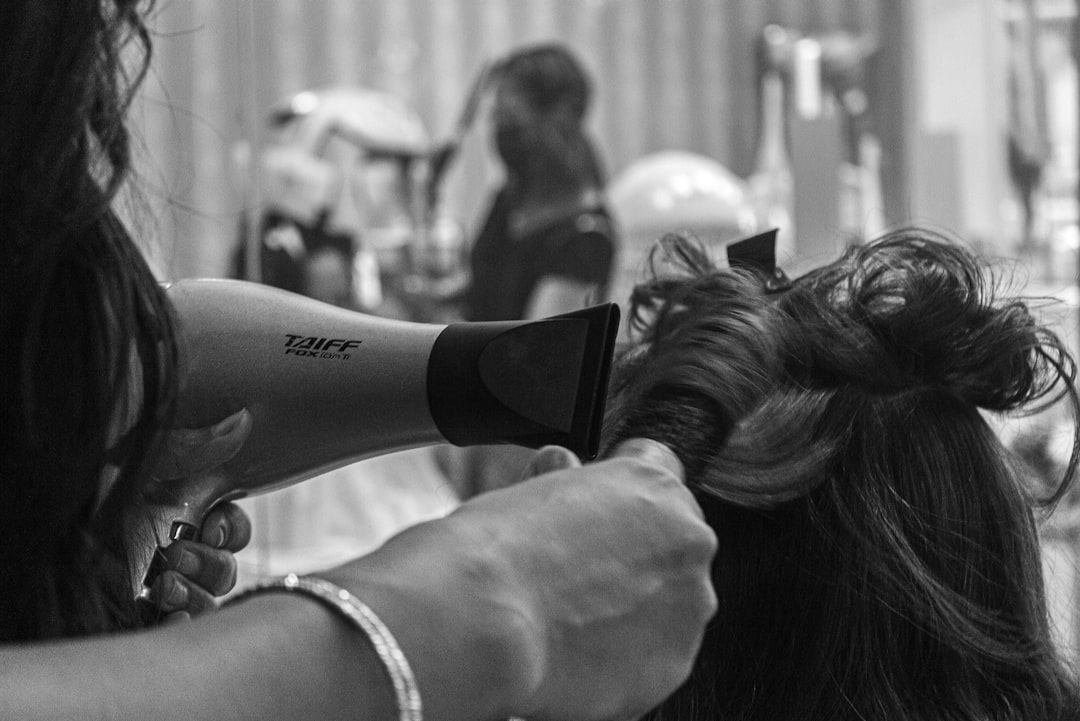
Blow-drying is your most powerful tool for volume. Start with a microfibre towel—these reduce frizz and breakage compared to regular towels. Gently squeeze water from your hair rather than rubbing.
Apply a lightweight heat protectant spray. Look for formulas that include silicones or natural oils that coat the hair without heaviness. These cost £5–10 and protect against damage whilst providing some hold.
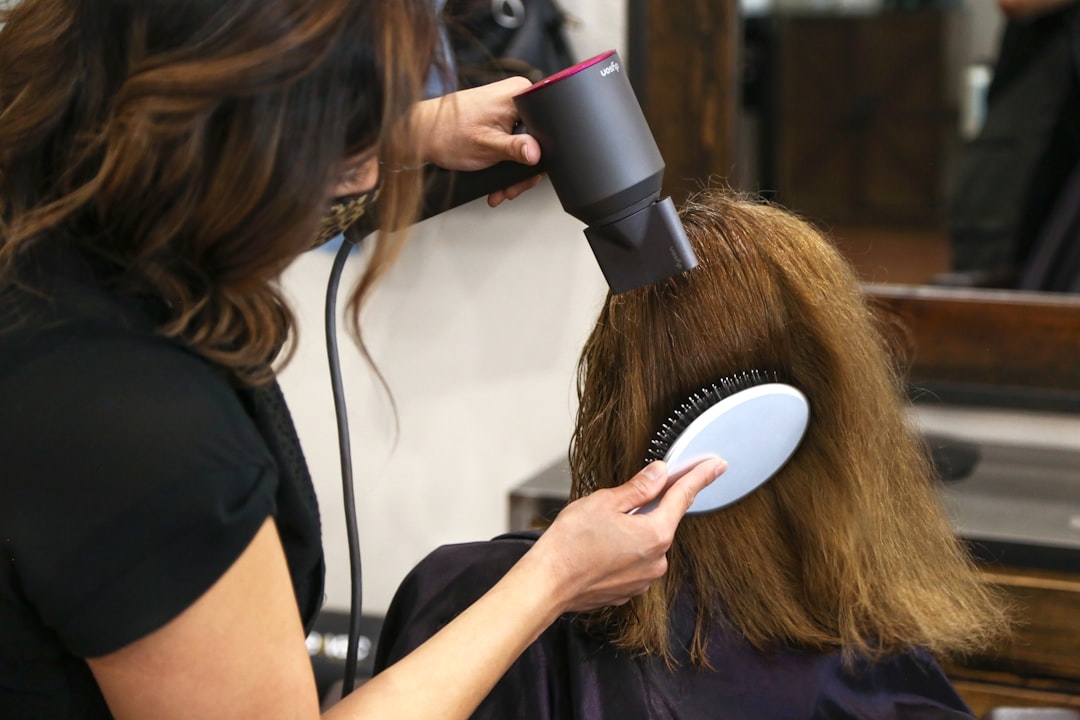
Flip your head upside down and blow-dry the roots first. This directs hair away from the scalp, creating immediate lift. Use your fingers or a round brush to guide strands as they dry. Work section by section, focusing on the areas that usually fall flat.
Dry hair 70–80% with the dryer before finishing. This prevents over-drying, which makes fine hair brittle and prone to breakage. Your hair should still feel slightly damp when you finish blow-drying.
Texturising Sprays and Root Lift Products
Texturising sprays grip fine hair and add grip without weight. These products work by creating friction between hair strands, helping them cling together and hold shape. Apply spray to damp roots before blow-drying, or use on dry hair at the roots for quick texture.
Budget-friendly options cost £3–6, whilst premium brands run £8–14 per spray. A 150ml bottle lasts 6–8 weeks, making monthly costs £2–7.
Root-lift mousses offer another effective option. These lightweight foams add volume without crunchiness. Apply mousse to damp hair at the scalp, then blow-dry. The combination of mousse plus blow-drying creates substantial lift that holds throughout the day.
Styling with Heat Tools
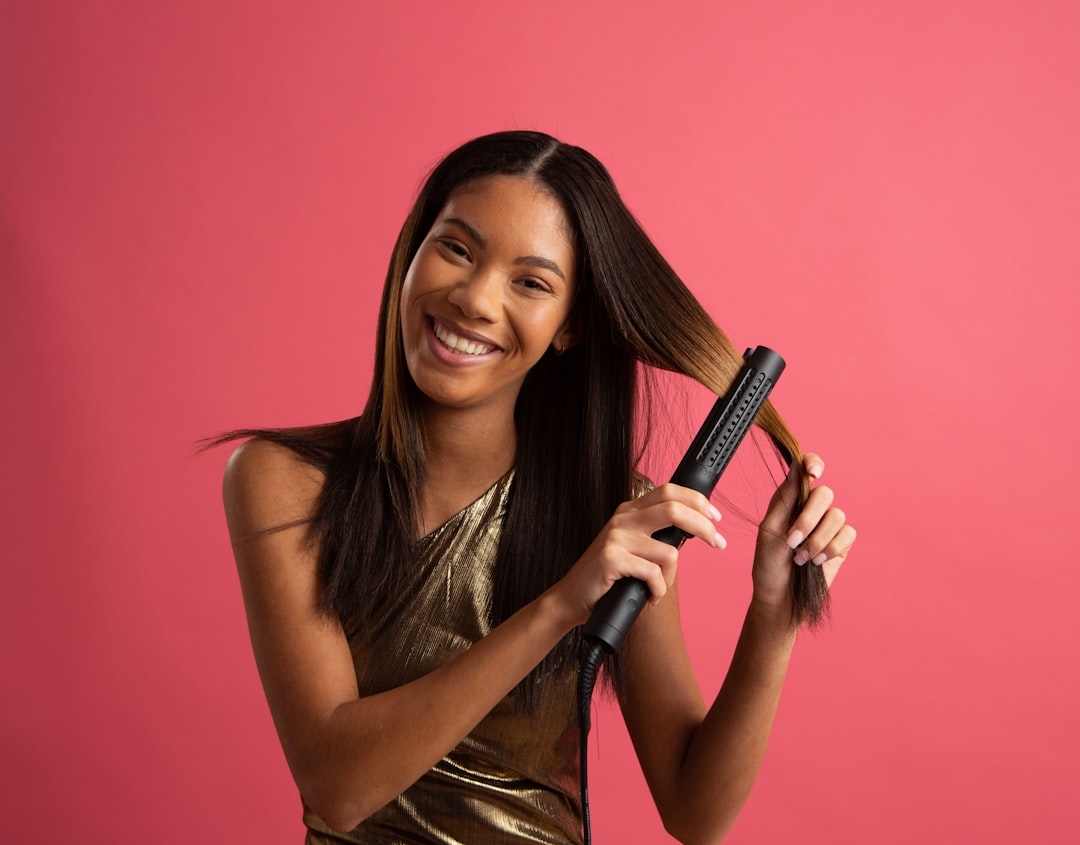
Curling wands and straighteners can create the illusion of thicker hair. Loose waves hold better than completely straight hair, as curves catch light and create apparent fullness.
A good curling wand costs £20–45. Using your wand, take vertical sections of hair (about the width of a finger) and wrap around the barrel. Hold for 8–10 seconds, then release. Avoid wrapping hair tightly, which can damage delicate strands.
For a sustainable approach, try heatless methods. Braiding damp hair overnight creates waves without heat damage. This method costs nothing beyond your time and actually strengthens fine hair by allowing it to rest.
Products That Enhance Fine Hair Volume
Lightweight Volumisers and Thickeners
Hair thickening powders and volumising products work by coating each strand and expanding its diameter slightly. These invisible powders sit at the roots and create the appearance of fuller hair.
Powders cost £6–15 per container and last 8–10 weeks, making the cost roughly £5–12 monthly. Apply sparingly—a light dusting at the roots is sufficient. Too much creates a chalky appearance.
Volumising serums and lotions offer another option. These leave-in products add lightweight moisture and structure. Apply to damp hair before blow-drying. Prices range from £7–16, with a bottle lasting 4–6 weeks.
Sustainable and Eco-Friendly Options
If environmental impact matters to you, several sustainable brands now offer fine-hair products. Companies using recyclable packaging, plastic-free formulas, or refillable containers have become increasingly common. Brands like EarthBaby and GreenStem offer volumising products at similar price points to conventional brands (£8–15).
Natural alternatives exist too. Dry shampoo made from rice powder or tapioca starch works similarly to synthetic powders but biodegrades naturally. You can even make a simple dry shampoo at home using cornstarch and cocoa powder, creating zero-waste volume.
Hair Treatments That Support Volume
Lightweight Deep Conditioning
Fine hair still needs occasional deep conditioning, but traditional masks often prove too heavy. Look for “dry” or “lightweight” masks designed for fine hair. These provide moisture without coating hair excessively.
Use a mask every 7–10 days, applying only to mid-lengths and ends. Lightweight masks cost £6–12 per treatment and typically require 2–3 uses per month, costing roughly £12–36 monthly.
Protein Treatments
Fine hair benefits from occasional protein treatments that strengthen without adding weight. Protein fills micro-gaps in damaged hair, making strands appear thicker and stronger.
Use protein treatments once monthly. Leave on for 10–15 minutes, then rinse thoroughly. Overusing protein causes hair to become stiff and brittle, so monthly application works best. Cost ranges from £5–10 per treatment.
Haircuts and Styling for Fine Hair Fullness
The Best Haircuts for Fine Hair
Your haircut significantly impacts apparent volume. Long, heavy hair pulls down fine strands, reducing volume. Shorter cuts work better. A shoulder-length or shorter cut works beautifully with fine hair.
Layering is your friend. Layers remove weight, allow hair to move freely, and create the appearance of more hair. A good layered cut should have shorter pieces throughout, not just at the ends.
Blunt ends also enhance fine hair. When each strand has a blunt edge, it catches light and appears thicker. Textured or choppy ends can make fine hair look thinner by definition.
A quality haircut costs £35–75 in most UK salons, depending on location and stylist experience. Cut your hair every 6–8 weeks to maintain shape and health. Annual haircut costs run £350–750.
Styling Approaches That Maximise Volume
Avoid centre partings, which divide hair and highlight the scalp. Side partings direct hair to cover more of the head, creating fuller appearance. Soft, lived-in styles work better than sleek, polished looks.
Textured styles like tousled waves, curls, and undone looks all make fine hair appear fuller. Completely straight, flat hair emphasises thinness. Adding any texture instantly improves apparent volume.
Sustainability and Budget-Conscious Approaches
Creating volume in fine hair doesn’t require expensive products or endless spending. Many effective techniques cost little or nothing.
A complete fine-hair routine costs roughly £30–50 monthly if you choose mid-range products. This includes shampoo, conditioner, a texturising product, and occasional treatments. Budget options bring monthly costs to £15–20, whilst premium routes cost £50–80.
Smart purchasing reduces costs further. Buy larger bottles of shampoo and conditioner at wholesale stores, share costs with friends, or watch for sales at major retailers. Many people find supermarket-brand volumising shampoos work just as well as pricier alternatives.
The most sustainable approach emphasises healthy hair practices over product accumulation. A simple routine of gentle cleansing, smart conditioning, blow-drying with proper technique, and regular trims beats an elaborate routine with numerous products.
Frequently Asked Questions About Volume in Fine Hair
How long does it take to see volume improvements?
You’ll notice changes in 1–2 weeks with proper blow-drying technique and texturising products. More substantial improvements from healthier hair growth take 6–8 weeks, as damaged ends are cut away and new growth comes in healthier. Patience and consistency matter more than any single product.
Can nutritional changes help fine hair volume?
Yes. Hair grows from the scalp, and nutrients directly impact hair health. Protein intake supports strong strands—aim for 46–50g daily. Iron deficiency can cause thinning; ensure adequate iron through red meat, legumes, or supplements. Biotin supplements have some research support for improving hair strength, though evidence remains mixed. Consult your GP before starting supplements.
Are volumising shampoos actually effective, or is it just marketing?
Volumising shampoos work, but not through magic. They typically contain polymers that coat strands and expand them slightly, creating real thickness. However, their effects last until your next wash. Quality volumising shampoos from reputable brands do work, but cheaper versions may include too much silicone, defeating the purpose for fine hair.
Should I avoid all conditioning if I have fine hair?
Absolutely not. Fine hair still needs moisture and nourishment. The key is using lightweight conditioners and applying them only to the ends, never the roots. Skipping conditioner entirely leads to dry, damaged ends that look thin and unhealthy.
What’s the best way to sleep without flattening my volume?
Sleep on a silk or satin pillowcase rather than cotton. These smooth surfaces create less friction, reducing flattening and frizz. Alternatively, loosely braid damp hair before sleeping, or use a silk bonnet. These methods preserve volume overnight and often improve your next-day style without re-styling.
Your Path Forward
Volume in fine hair isn’t a permanent achievement—it’s an ongoing practice. The good news is that once you understand the principles, the routine becomes second nature. Start with the basics: a gentle shampoo, lightweight conditioner, proper blow-drying technique, and a good haircut. Add texturising products if you want extra lift.
Track what works for your hair. Everyone’s fine hair behaves slightly differently, so experiment with products and methods. Keep what improves your volume and abandon what doesn’t. Over the next month, test one new technique or product at a time so you know exactly what makes the difference.
Your fine hair has genuine potential. With the right approach, you’ll discover that volume, bounce, and movement are absolutely achievable. The transformation you’re looking for starts with understanding your hair and choosing techniques designed specifically for fine strands.