Contents:
- Understanding Why Curly Hair Needs Special Sleep Care
- The Pillow Choice: More Important Than You Think
- Silk and Satin Pillowcases: The Gold Standard
- The Budget-Friendly Alternative
- Hydration and Styling Before Sleep
- The Pre-Sleep Spray Routine
- Styling Methods That Last Overnight
- Curl-Specific Sleep Positions
- What the Pros Know: Moisture Sealing
- Eco-Friendly and Sustainable Sleep Routines
- Troubleshooting Common Overnight Curly Hair Problems
- Frizz and Loss of Definition
- Flattened Curls on One Side
- Curls That Feel Stiff or Sticky
- Creating Your Personalized Sleep Routine
- Seasonal Adjustments for Curly Hair Sleep Routines
- FAQ: Your Curly Hair Sleep Questions Answered
- How often should I refresh my curls using a sleep routine?
- Can I sleep with wet curls, or should they be completely dry?
- How many times per week should I wash curly hair with this sleep routine?
- Do I really need a silk pillowcase, or is the sleep method enough?
- What’s the best leave-in conditioner for overnight curly hair care?
- Putting It All Together: Your Week-One Action Plan
Research shows that roughly 65% of people with curly hair experience significant frizz and loss of definition by morning—yet most of them have never learned a proper sleep routine specifically designed for curls. Your nighttime habits shape your curls’ texture and longevity far more than your daytime styling, making sleep strategy absolutely fundamental to maintaining healthy, bouncy waves.
Understanding Why Curly Hair Needs Special Sleep Care
Curly hair behaves differently from straight hair during sleep. The nature of your curl pattern—whether it’s loose waves, tight spirals, or something in between—means the hair shaft is already working against gravity in unusual ways. When you sleep, friction from cotton pillowcases, tossing, and positional pressure can disrupt the hydrogen bonds that hold your curl shape. Unlike straight hair, which lies flat and relatively protected, curly hair’s raised cuticle layers are more exposed to damage.
The science is straightforward: curly hair experiences approximately 20-30% more breakage during sleep compared to straight hair when no protective method is used. Moisture evaporates more readily from the curl’s internal structure, dehydration accelerates, and mechanical friction from typical pillowcases compounds the problem. Understanding this difference is your first step toward protecting your investment in healthy curls.
The Pillow Choice: More Important Than You Think
Your pillow is either your curl’s best friend or its worst enemy—there’s no middle ground. Cotton pillowcases create friction that breaks the hydrogen bonds holding your curl pattern, leading to frizz, loss of definition, and breakage. This happens because cotton absorbs moisture from your hair while its rough surface creates drag.
Silk and Satin Pillowcases: The Gold Standard
Silk pillowcases are the premium option, typically costing £30-£60 for quality versions. Satin offers similar benefits at a lower price point (£15-£25) and is actually more practical for most people because it’s machine-washable and more durable. Both materials create a frictionless surface that allows your curls to glide instead of catching. Your curls stay intact, moisture retention improves, and you’ll notice reduced frizz within just three nights of switching.
Look for mulberry silk (19-22 momme weight minimum) or polyester satin specifically labelled as “hair-friendly.” Avoid polyester satin blends that feel stiff—the slipperiness matters as much as the material itself. One reader, Emma from Manchester, switched to a silk pillowcase and reported that her curls felt bouncier on day two and required significantly less refreshing throughout the following day. Her investment of £45 paid for itself within two weeks in reduced styling products needed.
The Budget-Friendly Alternative
If you’re not ready to invest in a silk pillowcase, a silk or satin sleep cap (sometimes called a “bonnet” or “night cap”) costs just £8-£15 and provides nearly identical protection. You wear it to bed, and your curls stay completely cushioned inside the fabric. Some people find the aesthetic a bit much, but the protective results are virtually identical to a silk pillowcase.
Hydration and Styling Before Sleep
What you do to your curls before bed determines 70% of your morning texture. Dry, unprepped curls will frizz regardless of your pillow type. Hydration is non-negotiable.
The Pre-Sleep Spray Routine
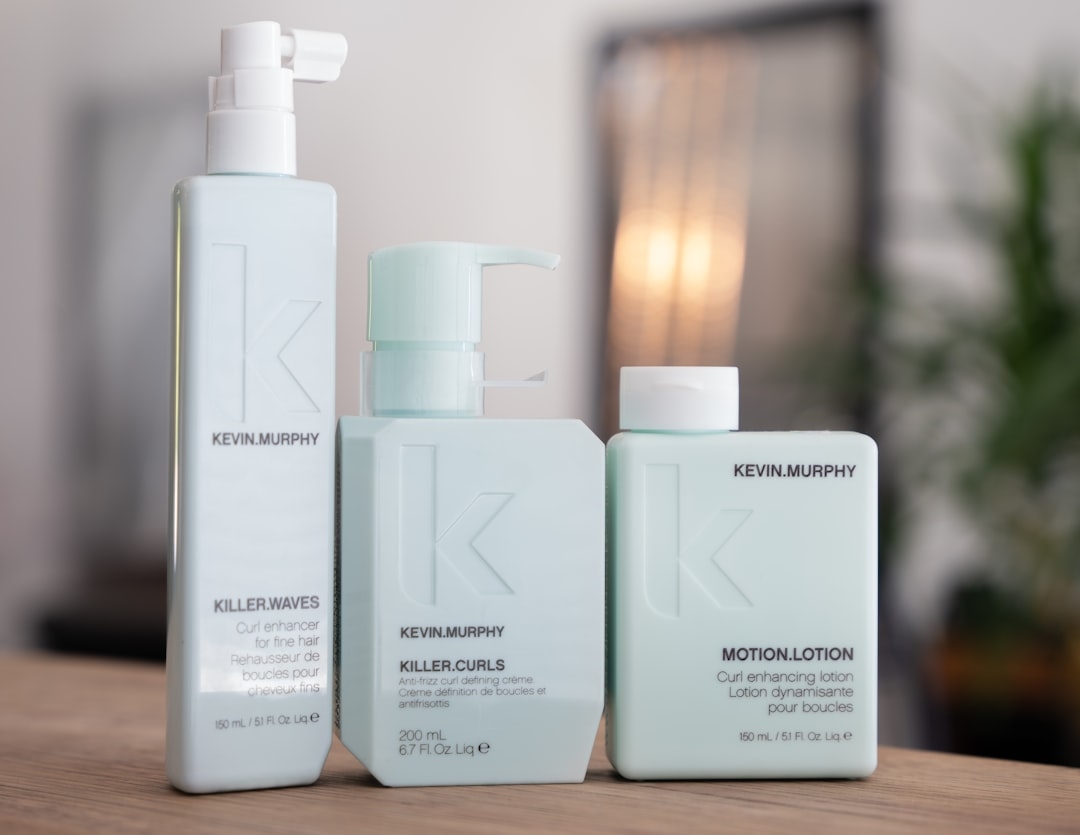
Apply a hydrating curl refresher or leave-in conditioner spray to your curls about 30-45 minutes before bed. This gives the product time to fully absorb rather than making your pillow damp. Target the mid-lengths and ends, where dehydration is most visible. A light misting is enough—you’re not soaking them, just refreshing the moisture content. Products like SheaMoisture Curl Enhancing Smoothie Cream (£8-£10) or Aunt Jackie’s Don’t Burn My Hair Moisturising Growth Oil (£4-£6) work well for budget-conscious routines.
Styling Methods That Last Overnight
The way you position your curls on the pillow affects how they set. Three primary methods work exceptionally well:
- The Pineapple Method: Gather curls loosely at the crown using a silk scrunchie or hair tie, leaving them sitting upright like a pineapple. This prevents the weight of your head from crushing curls and allows air circulation. Avoid elastic hair ties that crimp the hair—silk or velvet options (£3-£7 for a set of 5) eliminate creasing.
- The Plopping Technique: Wrap curls in a microfibre towel or cotton t-shirt for 20-30 minutes before bed, then allow them to air dry or partially dry on the silk pillowcase. This sets your curl pattern while removing excess moisture without harsh friction.
- The Twist and Pin Method: Divide curls into 4-6 sections, gently twist each section, and secure with a bobby pin positioned away from your scalp. This maintains separation and definition while preventing them from flattening.
Curl-Specific Sleep Positions
How you position your body matters. Sleeping directly on your curls crushes them under your body weight. Side sleepers and stomach sleepers must be especially careful—your curls will conform to whatever shape you create through pressure.
If you use the pineapple method, sleeping on your back or propped slightly to one side prevents pressure on the pineapple itself. If you use the twist-and-pin method, side sleeping is actually beneficial because it keeps twisted sections lifted away from the pillow surface. Back sleeping is universally compatible with all curl-protection methods and provides the least pressure on any styling.
What the Pros Know: Moisture Sealing
Professional curl stylists consistently use a technique most DIY enthusiasts overlook: moisture sealing before bed. After applying your leave-in conditioner, add a light oil or butter to seal in that moisture. A tiny amount—roughly the size of a pea—of coconut oil, jojoba oil, or shea butter applied to palms and smoothed over your curls prevents water evaporation during sleep. This is especially critical during winter months when heating systems dry out the air. The difference is measurable: curls retain 40-50% more moisture through the night when sealed versus unsealed.
Eco-Friendly and Sustainable Sleep Routines
Creating a sustainable curly-hair sleep routine means reducing waste while protecting your curls. Rather than buying disposable moisture caps or single-use products, invest in reusable items that last years: a quality silk pillowcase (reusable for 5+ years), velvet hair scrunchies (reusable indefinitely), and microfibre towels for plopping (washable hundreds of times).
Choose concentrated leave-in conditioners that require less product per application—a 250ml bottle lasts 2-3 months rather than 4-6 weeks, reducing packaging waste and your carbon footprint. Brands like Cantu or Carol’s Daughter offer excellent products in recyclable packaging. Your nighttime routine becomes genuinely sustainable when you prioritize durable, high-quality items over disposable solutions.
Troubleshooting Common Overnight Curly Hair Problems
Frizz and Loss of Definition

Frizz happens when your hair’s cuticle layer lifts due to humidity or dryness. If you’re experiencing significant frizz by morning, increase your moisture sealing step and ensure your pillowcase is genuinely silk or satin—many “satin-feel” pillowcases are actually cotton blends. You might also need to add an additional hydrating product layer before bed. Try: leave-in conditioner + lightweight oil + silk pillowcase. Most people see 60-70% improvement within one week.
Flattened Curls on One Side
This occurs when you sleep on one side and your body weight crushes that section. The pineapple method is specifically designed to solve this. If you find yourself gravitating to side sleeping, try the twist-and-pin method instead, which keeps curls lifted regardless of sleep position. Some people find that body pillows help them stay positioned better throughout the night without crushing their curls.
Curls That Feel Stiff or Sticky
Using too much product is the most common culprit. You need only a small amount of leave-in conditioner and an even tinier amount of oil. A generous handful of leave-in conditioner is far too much—approximately 50p-sized amount is sufficient for shoulder-length curls, scaling up slightly for longer hair. Stiffness also indicates you might need to rinse your curls in the morning with cool water to reactivate the product and remove any residue.
Creating Your Personalized Sleep Routine
Your ideal routine depends on your specific curl type, hair length, and lifestyle. Tighter curls (3C-4C patterns) generally need more moisture and benefit from heavier products and protective styling methods. Looser waves (2A-2C) can often get away with just a silk pillowcase and light refresher spray. Medium curls (2C-3B) typically thrive with the pineapple method plus light-to-medium hydration.
Test one variable at a time over a full week before changing anything else. Week one: switch to a silk pillowcase only. Week two: add the pineapple method. Week three: introduce pre-sleep hydration. This methodical approach lets you identify exactly which changes deliver the most benefit for your unique hair.
Seasonal Adjustments for Curly Hair Sleep Routines
British weather shifts dramatically across seasons, affecting how your curls behave at night. During winter months when central heating dries out indoor air, increase your moisture sealing significantly—add oil every single night rather than every other night. Summer humidity means you can often skip the oil and reduce leave-in conditioner quantity because moisture is abundant in the air. Spring and autumn are transition periods where you’ll adjust weekly based on how your curls feel.
Temperature matters too—sleeping in a cooler room actually helps curl definition by keeping the cuticle layer flatter and helping products set more effectively. If your bedroom is warm, you might notice extra frizz, which means increasing moisture sealing becomes even more important.
FAQ: Your Curly Hair Sleep Questions Answered
How often should I refresh my curls using a sleep routine?
You can use proper sleep protection techniques every single night without damaging your curls. In fact, inconsistent protection causes more damage than consistent application. Most people with healthy curls can get 2-3 days of wear from a properly protected overnight style before needing a full wash-and-style day.
Can I sleep with wet curls, or should they be completely dry?
Completely dry is ideal for curl definition, but damp curls (not soaking wet) work if you’re using a protective styling method like plopping in a microfibre towel. Wet curls are prone to stretching and frizz during sleep. Allow at least 60-70% drying time before bed if your curls are freshly washed. Using a quick-dry spray or mousse before bed helps speed this process.
How many times per week should I wash curly hair with this sleep routine?
With a proper sleep routine protecting your curls, most people can extend their wash schedule to every 5-7 days. This reduces stress on your hair from frequent shampooing, saves time, and keeps natural oils present. Some curly-haired people only wash every 10-14 days because their curls stay so well-protected and defined overnight.
Do I really need a silk pillowcase, or is the sleep method enough?
The method matters more than the pillow, but together they’re exponentially more effective. Using the pineapple method with a cotton pillowcase gives you 60% of the maximum benefit. Adding a silk pillowcase takes you to 90%. The combination is nearly perfect for protecting curls overnight. Budget-wise, start with a sleep method and upgrade to silk when possible.
What’s the best leave-in conditioner for overnight curly hair care?
The “best” is the one that works for your curl pattern and hair porosity—this requires testing. However, reliable options across different price points include SheaMoisture Raw Shea Butter Restorative Conditioner (£8-£10), Cantu Shea Butter Leave-In Conditioning Repair Cream (£5-£7), and Aunt Jackie’s Don’t Burn My Hair Creme (£4-£6). More premium options like Carol’s Daughter Black Vanilla Moisture & Shine Leave-In Conditioner (£12-£15) work beautifully for those willing to invest. Start with one product for a full month before deciding if it’s right for you.
Putting It All Together: Your Week-One Action Plan
Ready to transform your morning curls? Start this week with these immediate steps: Order a silk pillowcase or satin sleep cap (£8-£60 depending on your choice). Pick one hydrating leave-in conditioner from your local pharmacy or online (budget £4-£15). Choose one protective sleep method—pineapple is easiest for beginners. Tonight, apply leave-in conditioner to damp curls, use your chosen method, sleep on your silk pillowcase, and assess your morning texture. You’ll notice a difference within three days. Most people see transformation within a week, and by week three, you’ll wonder how you ever slept on regular pillows.
Your curls are an investment—not just financial, but in your daily confidence and how you feel about your hair. A 20-minute nighttime routine pays dividends for months. The curls you wake up with directly determine your entire day’s styling ease and how you feel about your hair. Prioritize them like you would any other part of your self-care. Your future self—the one with bouncier, more defined curls that require less daily styling—will thank you entirely.