Contents:
- Understanding Your Hair’s Seasonal Needs
- Regional Variations: How Your Location Changes Everything
- Hair Type Dictates Timing More Than Anything Else
- Fine and Thin Hair
- Medium and Normal Hair
- Thick and Curly Hair
- Oily and Combination Hair
- Life Events That Call for Oil Treatment Now
- Application Timing Within Your Weekly Routine
- Practical Tips for Optimal Oil Use
- Seasonal Schedule at a Glance
- FAQ: Common Questions About Hair Oil Timing
- Can I use hair oil daily?
- Is it ever too late to start oiling my hair?
- Should I oil hair before or after colouring?
- Does the time of day affect oil absorption?
- Can I apply oil to wet hair?
- Moving Forward: Building Your Oil Routine
Most people assume hair oil is a year-round fix, but the truth is far more nuanced. The timing of when you apply hair oil—and which type you choose—fundamentally changes whether your locks transform or become an oily disaster. This comprehensive guide reveals the exact moments when your hair truly needs that nourishing treatment, and when you should hold back.
Understanding Your Hair’s Seasonal Needs
Your hair’s moisture requirements shift dramatically with the seasons. Winter months from November through March present the harshest conditions for UK hair. Central heating depletes moisture from strands, whilst outdoor temperatures plummet and humidity drops to single digits. This is when hair oil becomes essential, typically applied 2-3 times weekly.
Summer brings an entirely different challenge. Between June and August, even though the air holds more humidity, UV exposure and chlorine from swimming pools cause oxidative damage that manifests as brittleness. Hair oil during these months serves a protective function rather than a deep-moisture one—think of it as a UV shield. One application weekly often suffices, applied only to the mid-lengths and ends, never the scalp.
Spring and autumn (September-October and April-May) represent transition periods. Your hair gradually adjusts to environmental shifts. Start with bi-weekly applications in April and increase frequency as autumn deepens and heating systems kick back in by September.
Regional Variations: How Your Location Changes Everything
Geography dramatically influences when and how often you should oil your hair. The Northeast of England, particularly Scotland and Northern regions, experiences consistently lower temperatures and higher rainfall. The damp climate means your hair absorbs moisture from the air but often becomes limp. In these areas, lighter oils applied less frequently (once weekly) work better than heavy treatments that would flatten already moisture-laden hair.
The South Coast and Southern England benefits from warmer, drier conditions that more closely resemble typical Mediterranean climates during summer months. Brighton, for instance, can reach 25-27°C in July. Residents here can benefit from oil applications even during summer, though timing shifts to evening applications before bed, allowing overnight absorption without daytime greasiness.
Western coastal regions like Cornwall, Devon, and Wales experience salt spray and wind that dehydrate hair rapidly. Pre-holiday oiling here is non-negotiable—applying oil 3-4 hours before beach exposure creates a protective barrier. Cost-wise, you’ll likely spend £8-12 on a quality protective oil in 2026, versus £15-25 for specialist product replacements if damage occurs.
Midlands and urban industrial areas with air pollution benefit from oil treatments immediately before washing, as the oil traps particles on your hair surface rather than letting them settle into the scalp.
Hair Type Dictates Timing More Than Anything Else
Fine and Thin Hair
Fine hair requires oil perhaps twice monthly rather than weekly. Timing matters enormously: apply oil only to the last 4-5 inches of your hair, 4-6 hours before washing. Avoid the scalp completely. The best schedule follows this pattern: oil your hair on Friday afternoon, wash Saturday morning. This gives you soft weekend hair without greasy weekday roots. Lightweight oils like jojoba (around £6-9 per 100ml bottle) work better than coconut.
Medium and Normal Hair
Standard hair tolerates oil treatments weekly, applied 2-3 hours before shampooing. Wednesday evening oilings create Thursday-Friday optimal texture. Rotate between different oils monthly to prevent buildup—coconut one month, argan the next, almond oil the third. This variation maintains results without plateauing effectiveness.
Thick and Curly Hair
Textured and coily hair can handle heavier oils applied more frequently. Two to three times weekly applications work well. Apply immediately after showering to damp hair, concentrating on curl clusters. Oils like shea butter blends (£10-15 per 200ml jar) seal moisture into coils. Timing here relates to your styling schedule—oil before your wash day, then again mid-week as curls lose definition.
Oily and Combination Hair
Counterintuitively, oily scalps often benefit from light oil treatments. Apply exclusively to ends, never touching the scalp. Frequency drops to monthly treatments. The timing strategy here focuses on before deep cleansing—oil your ends on the day before you use a clarifying shampoo. This protects ends during the harsh cleanse whilst avoiding scalp buildup.
Life Events That Call for Oil Treatment Now
Beyond routine schedules, specific moments demand immediate action. Pre-holiday oiling—applied 4-8 hours before travel—protects against aircraft cabin air’s severe drying effects. Humidity levels in aircraft cabins drop to 10-15%, comparable to the Sahara. A generous oil treatment beforehand creates a moisture barrier that prevents dramatic frizz and damage.
Post-chemical treatments demand oil applications every 2-3 days for two weeks following colouring, perming, or relaxing. Chemically-treated hair has compromised protein structures that oil temporarily reinforces. Prices for post-treatment specialist oils range £12-18 in 2026.
During illness or stress, your hair’s natural sebum production fluctuates. If you notice unusual dryness during or after periods of high stress, increase oil frequency by 50% for 2-3 weeks. Hair responds to systemic stress, and supplemental oil bridges the gap whilst your body restabilises.
Seasonal transition weeks require tactical adjustments. The first week of November and September deserve extra oil applications—Thursday evening and Sunday evening—to help hair shift with environmental changes.
Application Timing Within Your Weekly Routine
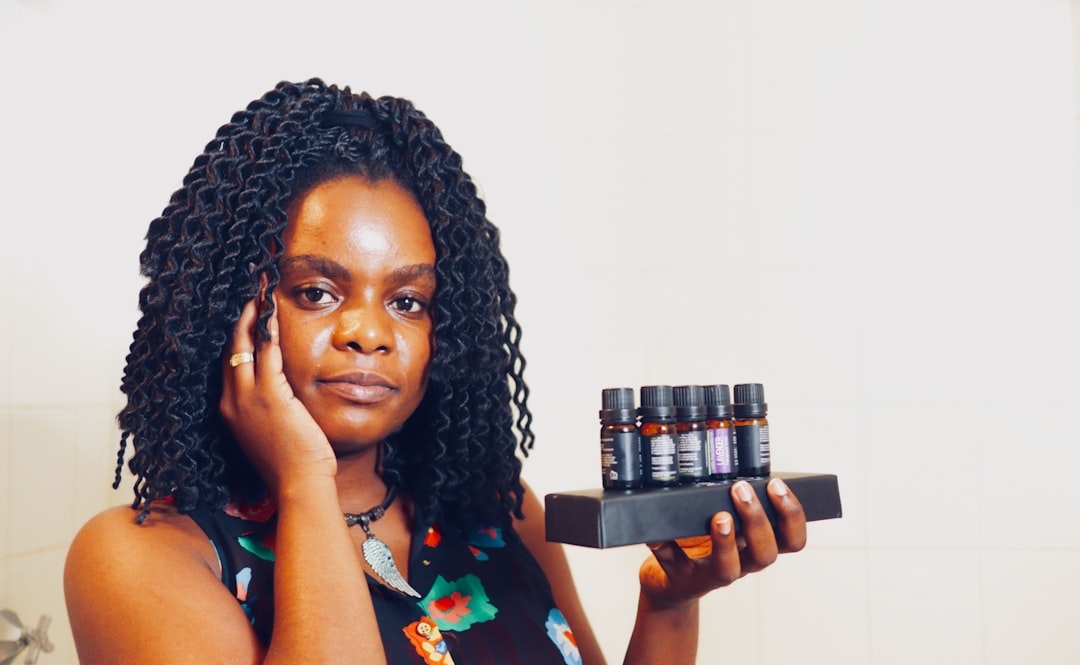
The hours you choose matter as much as the days. Apply oil at least 2 hours before showering but ideally 4-6 hours prior. This window allows oil to penetrate without sitting so long that your scalp becomes uncomfortably greasy. Morning applications work only if you shower by 2pm; evening applications suit most schedules better.
Cold oil absorbs faster than room-temperature oil—a 15-18°C difference accelerates penetration by roughly 30 minutes. Warm your oil bottle under running water before applying in winter months.
Never apply oil immediately after washing. Your hair is maximally swollen and can’t absorb treatment effectively. Wait until hair is completely dry (or at least 80% dry) for best results. Applying to damp hair leads to dilution and uneven distribution.
Practical Tips for Optimal Oil Use
- Quantity matters: Use 1 teaspoon for shoulder-length hair, 1.5 teaspoons for mid-back length, 2 teaspoons for longer styles. Less oil, properly distributed, beats generous amounts creating residue.
- Distribution technique: Section hair into 4-6 quadrants. Apply oil to the centre of each section, then massage from scalp to ends using your fingertips in gentle circular motions. This distributes evenly without concentrating product.
- Scalp inclusion depends on condition: Include scalp in oil application only if you have moderate-to-severe dryness with flaking. Otherwise, treat the scalp with a lightweight serum and reserve oil for lengths.
- Layering different products: Apply heavier oils (coconut, almond) to mid-lengths and ends. Reserve lightweight oils (jojoba, grapeseed) for the scalp area if treatment is needed there.
- Sleeping with oil: Protect your pillowcase with an old cotton pillowcase or silk sleep cap. Silk reduces friction damage and increases oil retention—you’ll absorb treatment better.
- Washing out thoroughly: Use the “pre-wash shampoo” method: apply dry shampoo to oiled hair 20 minutes before the actual shower. This helps dissolve oil, reducing the number of washes needed to fully cleanse.
Seasonal Schedule at a Glance
January to March (Winter): 2-3 applications weekly, 4-6 hours before washing, heavier oils like coconut or almond.
April to May (Spring): 1-2 applications weekly, transition gradually to lighter formulations.
June to August (Summer): 1 weekly application or every 10 days, lightweight protective oils, applied to mid-lengths and ends only.
September to October (Autumn): Increase from 1 to 2 weekly, gradually introducing heavier oils as temperatures drop.
November to December (Early Winter): Transition to 2-3 weekly applications by early November; adjust based on how your hair responds.
FAQ: Common Questions About Hair Oil Timing
Can I use hair oil daily?
Not for most people. Daily use leads to product buildup, scalp imbalance, and diminishing returns as your hair becomes immune to treatment. Once or twice weekly maximises benefits whilst maintaining healthy oil balance. Only those with severe natural curls or very coarse textures might benefit from daily application.
Is it ever too late to start oiling my hair?
No. Hair without a protective cuticle layer shows improvements within 2-3 treatments. You’ll notice reduced frizz and increased shine even if your hair was previously neglected. Start immediately and adjust frequency based on results within the first month.
Should I oil hair before or after colouring?
Before colouring, oil your hair 3 days prior to build a protective barrier. This isn’t about timing within a day, but spacing applications to reduce colour uptake (useful if you want more muted results). After colouring, begin oiling within 24 hours, 2-3 times weekly for two weeks.
Does the time of day affect oil absorption?
Temperature affects absorption more than clock time. Apply oil when your bathroom and hair are warmest (typically afternoon or after a hot shower). Warmer conditions increase oil fluidity and penetration speed by roughly 20-30 minutes compared to cold conditions.
Can I apply oil to wet hair?
Wet hair absorbs oil poorly because water molecules occupy space where oil would penetrate. Wait until hair is completely dry or at least 80% dry. The exception: if you’re applying oil as a leave-in conditioner post-shower, damp hair is acceptable, though the oil will distribute unevenly.
Moving Forward: Building Your Oil Routine
Your ideal oil schedule emerges through 4-6 weeks of consistent experimentation. Start with once-weekly application at the timing suggested for your hair type. Track results in a simple note or calendar—notice shine levels, frizz control, and how your hair feels on days 2-7 after treatment. Adjust frequency and timing based on actual results, not generic advice. The perfect schedule is personal, regional, and seasonal. By spring 2026, you’ll have found the exact rhythm that transforms your hair from ordinary to genuinely healthy.