Contents:
- Understanding Hair Growth Products and How They Work
- Best Hair Growth Products: Top Choices for 2026
- Minoxidil 5% Solution (Regaine and Generics)
- Finasteride 1mg (Propecia and Generic Equivalents)
- Combination Therapy: Minoxidil + Finasteride
- Low-Level Laser Therapy (LLLT) Devices
- Hair Growth Supplements and Vitamins
- Peptide Serums and Growth Factor Products
- Comparison Table: Key Treatments at a Glance
- How to Choose the Right Hair Growth Product for You
- For Men with Early to Moderate Hair Loss
- For Women
- Budget Constraints
- Space Constraints
- Lifestyle and Commitment
- A Reader’s Journey: From Doubt to Decision
- Integrating Hair Growth Products into Your Routine
- Scalp Health Foundations
- Seasonal Timing
- Monitoring Progress
- Common Myths About Hair Growth Products
- FAQ: Your Hair Growth Questions Answered
- How long before I see results from minoxidil?
- Can women use finasteride?
- What is the best hair growth product if I have sensitive skin?
- Is it safe to combine minoxidil with other hair loss treatments?
- Do LLLT devices work on their own?
- Moving Forward: Making Your Decision
You’re examining your hair in the bathroom mirror, and the light catches something you’d rather not see—a wider parting, or patches where density has thinned noticeably. The afternoon sun streams through your small bathroom window, making every detail visible. This moment, for many people in cramped London flats or modest bedsits, becomes the catalyst for searching out what is the best hair growth product that actually works.
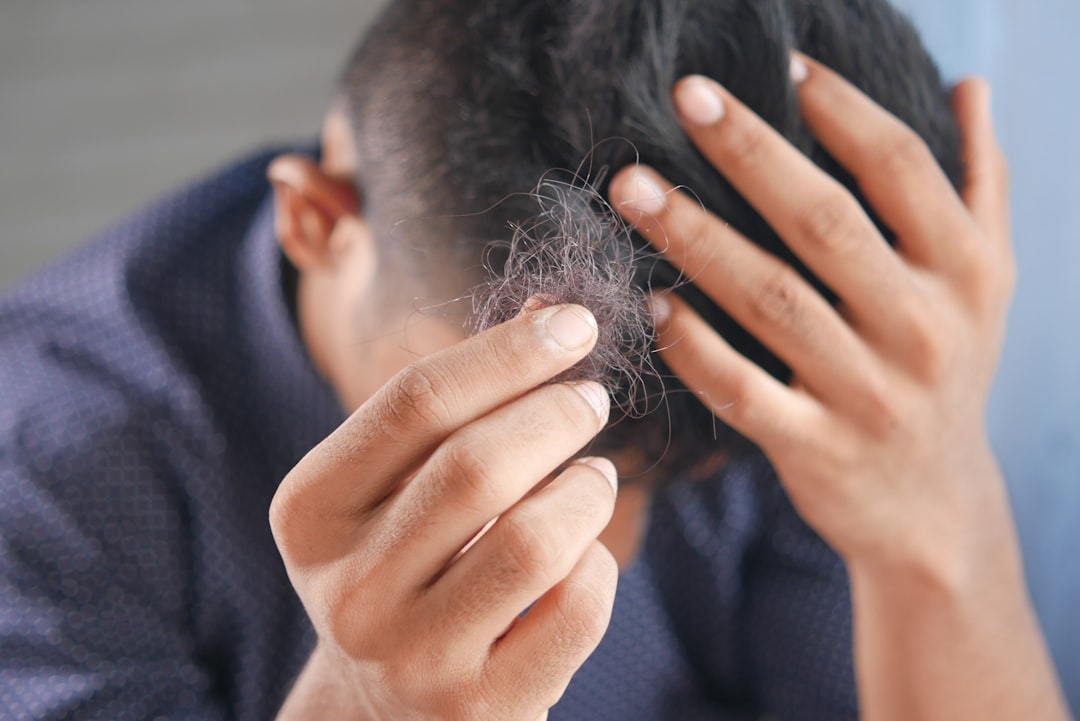
Hair loss is biochemically straightforward yet emotionally charged. Your hair follows predictable cycles: growth phases lasting 2–6 years, transition phases of 2–3 weeks, and resting phases lasting 3 months. When this rhythm becomes disrupted—whether through genetics, stress, hormonal changes, or nutritional gaps—visible thinning results. Unlike systemic remedies requiring specialist consultations, topical and oral hair growth products offer practical solutions within your own home, regardless of space constraints.
This comparison article examines what is the best hair growth product based on efficacy, cost, space requirements, and suitability for UK users. Whether you’re managing mild thinning or noticeable recession, understanding each option’s mechanisms and limitations helps you make a choice aligned with your circumstances and budget.
Understanding Hair Growth Products and How They Work
Hair growth products fall into distinct categories, each targeting different stages of the hair cycle. The most studied active ingredients are minoxidil (which extends the growth phase), finasteride (which blocks DHT production), peptide serums, and botanical extracts. Minoxidil is available over-the-counter in the UK; finasteride requires prescription. Others operate through different pathways—stimulating blood flow, reducing inflammation, or supplementing nutrients the scalp needs.
Dr Eleanor Marchant, registered trichologist at the British Institute of Trichology, explains: “The most effective products work either on the hair follicle’s metabolic state or on the hormonal environment. A 5% minoxidil solution will show measurable regrowth in roughly 40% of users within four months, but results plateau after one year. Consistency matters more than product switching—scalp health improves through sustained routines, not rotations.”
The timing matters, too. Spring and early summer see increased natural shedding, making this period ideal for beginning treatment so results accumulate through winter months when growth naturally slows. Starting in March or April typically yields noticeable improvement by November.
Best Hair Growth Products: Top Choices for 2026
1. Minoxidil 5% Solution (Regaine and Generics)
Minoxidil 5% remains the gold standard for over-the-counter hair regrowth in the UK. Available as Regaine (brand name) or multiple generic versions, it’s the only topical treatment with robust clinical evidence in peer-reviewed journals. The mechanism is clear: minoxidil widens blood vessels around hair follicles, prolonging the growth phase and increasing follicle size.
Typical cost: £25–£40 per month for genuine 5% solutions. Generic versions from Boots or online chemists cost £15–£25 monthly. Efficacy data is substantial—a 1999 Dermatology study showed 48% of men achieved moderate to dense hair regrowth at 12 months. Women see similar outcomes. Application is straightforward: 1 mL to the scalp twice daily using the dropper provided.
The critical drawback is commitment. Results take 4–6 months to appear, and discontinuing use reverses gains within months. For small-apartment living, the twice-daily routine fits easily into a bathroom cabinet (the bottle occupies minimal space). Itching and irritation occur in 5–15% of users initially, usually subsiding within weeks. Minoxidil also increases hair shedding in the first 4–8 weeks—a sign follicles are shifting from resting to growth phases, not a sign of worsening hair loss.
2. Finasteride 1mg (Propecia and Generic Equivalents)
Finasteride is the only oral medication approved in the UK for male-pattern hair loss. It works by inhibiting 5-alpha reductase, the enzyme that converts testosterone to DHT (dihydrotestosterone), the hormone driving hair loss in genetically predisposed individuals. Studies show 90% of men halt hair loss progression, and roughly 66% experience some regrowth after one year.
Cost in 2026 ranges from £30–£70 monthly through private prescription, though NHS prescriptions are sometimes available through GPs (often free or £9.90 per month through prescription charges). Generic finasteride is significantly cheaper—around £20–£35 monthly through online pharmacies. The dosing is simple: 1 mg tablet once daily, ideally with food.
The appeal for apartment dwellers is obvious—no creams, no twice-daily applications, no mess. It also works systemically rather than topically, addressing the root cause. However, it requires a prescription, and sexual side effects occur in 1–2% of users (usually reversible upon stopping). Results take 3–6 months to manifest, similar to minoxidil. Women cannot use finasteride unless post-menopausal due to teratogenic risks.
3. Combination Therapy: Minoxidil + Finasteride
Clinical evidence supports combining these treatments for superior results compared to either alone. A 2013 review in the Journal of Dermatological Treatment found that users combining minoxidil and finasteride achieved 15–20% greater hair density improvement than monotherapy. The mechanisms are complementary: finasteride reduces DHT production, whilst minoxidil improves blood flow directly to follicles.
Combined monthly cost: £50–£100 depending on whether you choose brand names or generics. The time commitment is modest—one tablet daily plus two applications of solution—but requires discipline. For those with moderate to severe hair loss who can tolerate both treatments, combination therapy offers the strongest evidence base.
4. Low-Level Laser Therapy (LLLT) Devices
Laser caps and combs emit wavelengths between 600–1000 nm, which theoretically stimulate adenosine triphosphate (ATP) production in hair follicles, enhancing cellular energy and promoting growth. Devices like the HairMax LaserComb and laser caps cost £200–£500 initially, with no ongoing costs beyond occasional electricity.
Evidence for LLLT is mixed. Some studies show modest improvements (10–15% increase in hair density), whilst others show minimal benefit above placebo. The FDA has cleared several devices, lending some credibility, but independent meta-analyses remain cautious. Treatment typically requires 15–30 minutes, 3–4 times weekly.
For flat-dwelling users, laser caps and combs are space-efficient. However, results are slower than minoxidil, and dropout rates are high due to time commitment and modest visible outcomes. LLLT works best as an adjunct to minoxidil or finasteride rather than a standalone treatment.
5. Hair Growth Supplements and Vitamins
Oral supplements containing biotin, zinc, selenium, iron, and B vitamins are increasingly popular. Brands like Viviscal, Nutrafol, and Hairburst cost £15–£50 monthly. The logic is sound: nutritional deficiencies can exacerbate hair loss, and hair growth demands amino acids, minerals, and micronutrients.
However, evidence is largely anecdotal or limited to small studies funded by manufacturers. A 2017 study on Viviscal showed 61% of women experienced hair growth, but the control group saw 28% improvement—suggesting placebo effect is substantial. Supplements work best if you have documented deficiencies (low iron ferritin, low vitamin D, low B12), verified through blood tests.
Storage in small apartments is easy—just shelf space in a kitchen cupboard. Side effects are rare. If you’re considering supplements, get baseline blood work done first through your GP; this allows targeted supplementation rather than blanket intake of unnecessary micronutrients.
6. Peptide Serums and Growth Factor Products
High-end serums containing peptides, growth factors, or stem-cell derived extracts cost £60–£150 per bottle and claim to stimulate hair growth through cellular signalling pathways. Products like The Ordinary Multi-Peptide Serum or luxury brands like Olaplex Hair Perfecting Exponent are heavily marketed on Instagram and TikTok.
Independent clinical evidence for these products remains thin. Most companies rely on in vitro (test tube) studies rather than human trials. Peptides may support scalp health and existing hair strength, but claims of “regrowing hair” are largely unsubstantiated. They’re best viewed as scalp conditioning agents rather than active treatments for hair loss.
Cost-benefit analysis here is unfavourable for most users with genuine thinning. Unless you have healthy hair and seek cosmetic enhancement, these serums are lower-priority compared to minoxidil or finasteride.
Comparison Table: Key Treatments at a Glance
| Product | Monthly Cost (£) | Efficacy | Time to Results | Commitment Level |
|---|---|---|---|---|
| Minoxidil 5% | £15–£40 | 48% moderate-to-dense regrowth | 4–6 months | High (2× daily) |
| Finasteride 1mg | £20–£70 | 90% halt loss; 66% regrowth | 3–6 months | Low (1× daily) |
| Combination (both) | £50–£100 | 15–20% greater than single agent | 3–6 months | Moderate |
| LLLT Device | £200–£500 upfront; £0/month | 10–15% (modest) | 6–12 months | High (3–4× weekly) |
| Hair Supplements | £15–£50 | Variable; mostly placebo | 2–4 months | Low (once daily) |
| Peptide Serums | £60–£150 | Minimal for regrowth | Not applicable | Low (once daily) |
How to Choose the Right Hair Growth Product for You
For Men with Early to Moderate Hair Loss
Start with minoxidil 5% if you prefer topical application, or finasteride if you prioritise convenience. Generic minoxidil at £15–£20 monthly is budget-friendly; finasteride through NHS may cost only £9.90 if your GP agrees to prescribe. If you can tolerate both, combination therapy delivers strongest evidence.
Real-world example: James, a 34-year-old living in a one-bedroom Bethnal Green flat, began finasteride in February 2026. By May, his partner noticed fuller appearance at the temples. He added minoxidil in June (summer months are ideal to start topical treatments; results show by winter). By October 2026, he’d regained visible density at the crown. Total investment: £480 over nine months. His space constraint—a tiny bathroom—was irrelevant, as finasteride requires no storage beyond a blister pack in the medicine cabinet.
For Women
Minoxidil is your first-line option, as finasteride is unsuitable for pre-menopausal women. The 5% solution works equally well in women as men. Supplements addressing documented deficiencies (low iron, low vitamin D, low ferritin) are worth adding after blood tests. LLLT devices work for women too, though evidence remains weak.
Hair loss in women often involves different drivers—hormonal shifts, iron deficiency, thyroid dysfunction—so a GP consultation identifying root causes is valuable before purchasing products.
Budget Constraints
Minoxidil generics cost £15–£20 monthly; this is your best value-for-money option. Skip expensive peptide serums and unproven supplements. If cost is critical, explore whether your GP will prescribe finasteride (often free or £9.90); generic finasteride is also cheaper than brand Propecia.
Space Constraints
Finasteride tablets occupy minimal space. Minoxidil solution requires a small shelf in the bathroom. LLLT devices are bulkier. Supplements take a shelf in the kitchen. All are manageable in small flats or shared houses.
Lifestyle and Commitment
If you travel frequently or forget medications, finasteride’s once-daily dosing is simpler than minoxidil’s twice-daily application. If you prefer control and visible daily engagement with treatment, minoxidil feels more “active.” LLLT suits people who enjoy structured routines but dislike creams.
A Reader’s Journey: From Doubt to Decision
Sarah, aged 41 and living in a shared house in Manchester, noticed significant thinning after a stressful year managing her elderly mother’s health. Browsing online forums, she felt overwhelmed by contradictory claims. Finasteride was off-limits (post-menopausal, but still cautious). She started generic minoxidil in April 2026 at £18 monthly. Initial shedding in May discouraged her, but after reading that shedding indicated follicle activity, she persisted. By August, her hairdresser mentioned density returning at the crown. Twelve months in, her parting is noticeably thinner, and she’s committed to continuing indefinitely because the cost is manageable and the subtle improvement is real.
Sarah’s experience illustrates the truth: results are measurable but not dramatic. Expectations of Hollywood-thick regrowth are unrealistic. Genuine hair growth products halt loss and achieve modest density improvement. They work best combined with stress management, adequate sleep, and basic scalp care.
Integrating Hair Growth Products into Your Routine
Scalp Health Foundations
Before or alongside any product, address scalp basics. Shampoo with gentle, sulphate-free formulas 2–3 times weekly. Over-washing strips natural oils; under-washing allows sebum buildup that irritates follicles. A 2-minute scalp massage during shampooing stimulates blood flow—simple and free.
Seasonal Timing
March to May is ideal for starting treatments, allowing results to accumulate through slower winter growth months. Starting in October means waiting until spring to see pronounced effects. Summer may see increased shedding (natural for many people), so some clinicians recommend increasing minoxidil frequency or adding finasteride in late summer to compensate.
Monitoring Progress
Take baseline photos under consistent lighting before starting treatment. Repeat monthly. Visible changes emerge over 3–6 months, but photos often reveal improvement before you notice it subjectively. Your eye acclimatises to gradual change; photo evidence is objective.
Common Myths About Hair Growth Products
Myth 1: “More frequent application equals faster results.” Exceeding recommended doses of minoxidil (1 mL twice daily) does not accelerate regrowth. Higher doses increase side effects without benefit.
Myth 2: “You must use the same product forever.” Many treatments work indefinitely, but you can pause or rotate if side effects develop or finances change. Minoxidil gains typically persist for months after stopping, though regress over 6–12 months. Finasteride effects reverse within a year of cessation.
Myth 3: “Natural supplements work better than pharmacy treatments.” No botanical extract or herb has clinical evidence matching minoxidil or finasteride. Supplements help if addressing nutrient gaps, but they’re not primary treatments for genetic or hormonal hair loss.
FAQ: Your Hair Growth Questions Answered
How long before I see results from minoxidil?
Results typically appear between 4–6 months. Some users see change at 3 months; others need 8–12 months. Consistency is crucial—skipping applications resets progress.
Can women use finasteride?
Post-menopausal women can use finasteride, but pre-menopausal women should not due to risks to male foetuses if pregnant. Women with hair loss have different underlying causes and should consult a GP or dermatologist first.
What is the best hair growth product if I have sensitive skin?
Start with the lowest effective concentration. If 5% minoxidil causes irritation, try 2% solutions, applied less frequently initially. Generic brands often cost less; if irritation develops, try different manufacturers—excipients vary. Finasteride is oral and avoids scalp irritation entirely.
Is it safe to combine minoxidil with other hair loss treatments?
Minoxidil combines safely with finasteride, supplements, and scalp care products. Avoid combining multiple minoxidil products (e.g., solution plus foam) as overdosing risks systemic absorption. Always check with your pharmacist before adding new treatments.
Do LLLT devices work on their own?
Standalone LLLT shows modest results (10–15% improvement) in clinical studies, below minoxidil’s efficacy. LLLT works best alongside minoxidil or finasteride rather than alone. If cost is limited, skip LLLT and prioritise evidence-backed treatments first.
Moving Forward: Making Your Decision
What is the best hair growth product depends on your individual circumstances. For most people in the UK seeking affordable, evidence-backed solutions, generic minoxidil at £15–£20 monthly offers the strongest balance of cost and efficacy. Finasteride, if accessible through your GP, delivers superior results for men with modest lifestyle impact. Combining both treatments achieves the best outcomes if you can sustain both financially and practically.
The critical step is beginning. Hair loss is progressive, and early treatment halts deterioration before it becomes severe. Waiting for a “perfect” solution or a cheaper option often means missing the window where treatment works most effectively. By April 2026, if you’ve been considering treatment, starting this month allows results to emerge before autumn when you’ll most notice the difference.
Your apartment’s size is irrelevant. Your budget constraints are manageable—even generic minoxidil is cheaper than many daily coffee habits. Your skepticism is healthy; ignore influencer hype and trust peer-reviewed evidence. Choose a treatment, commit for at least six months, monitor honestly, and adjust if needed. Hair regrowth is slow, but with patience and consistency, measurable improvement is achievable.