Contents:
- What Creatine Actually Is and How It Works
- The Hair Loss Connection: Where This Worry Began
- What the Complete Research Shows About Creatine and DHT
- Why Genetic Predisposition Is the Real Key Factor
- Other Factors That Actually Affect Hair Health
- Protein and Nutrient Intake
- Sleep and Stress Management
- Scalp Health and Hair Care Practices
- Underlying Health Conditions
- Practical Guidance: Using Creatine Safely
- Standard Dosing Protocol
- Choosing Quality Supplements
- Hydration Considerations
- Hair-Supportive Practices to Implement Concurrently
- A Trichologist’s Perspective
- Sustainability and Eco-Conscious Supplementation
- Frequently Asked Questions
- Does creatine definitely not cause hair loss?
- I’m already losing hair. Should I stop taking creatine?
- What if I’m genetically prone to baldness? Can I safely take creatine?
- Are there creatine alternatives with no hair concerns?
- How long until I see creatine’s muscle-building effects?
- Conclusion: Making Your Informed Decision
Millions of people worldwide take creatine to build muscle and improve athletic performance. Yet a persistent worry shadows this popular supplement: does creatine cause hair loss? If you’re considering creatine, or already taking it and noticing changes in your hair, this question likely weighs on your mind. The short answer is nuanced, and understanding the actual science separates myth from fact.
Hair loss concerns are legitimate—pattern baldness affects approximately 50% of men by age 50 in the UK, and anxiety about supplement-related hair shedding is common. But does creatine actually contribute to this problem? The evidence tells a more reassuring story than internet forums might suggest. This guide examines the research directly, explores the mechanisms that scientists have investigated, and helps you make an informed decision about creatine and your hair health.
What Creatine Actually Is and How It Works
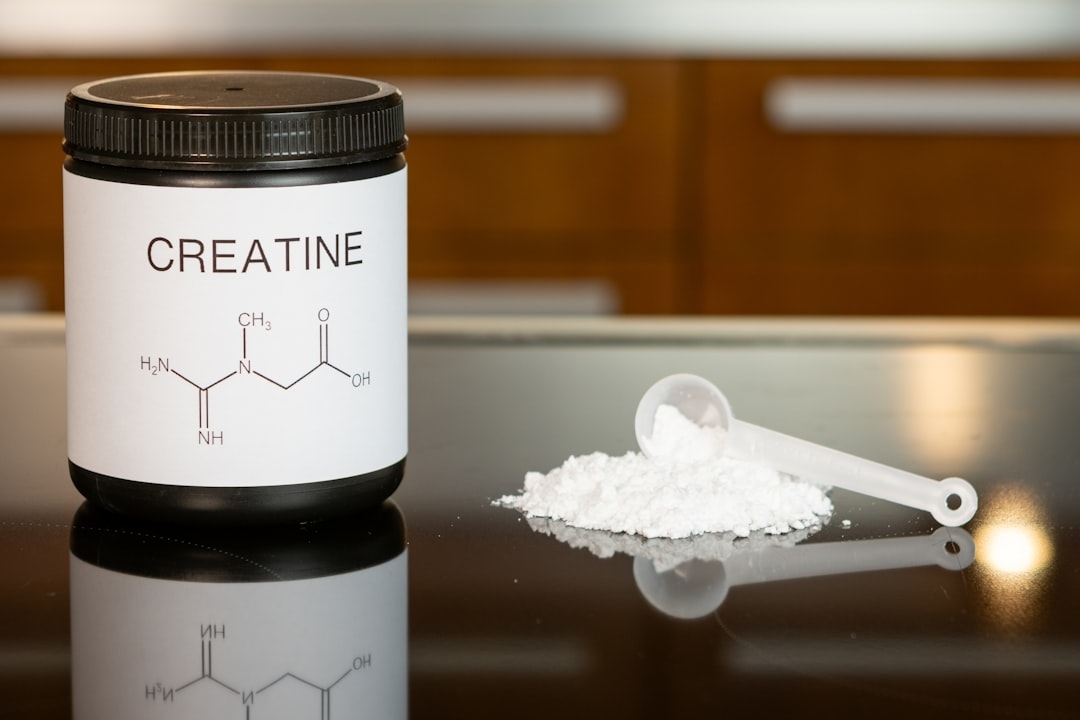
Before examining whether creatine causes hair loss, understanding what creatine does in your body matters. Creatine is a natural compound found in muscle cells. It consists of three amino acids: arginine, glycine, and methionine. Your kidneys and liver produce roughly 1-2 grams daily, while dietary sources—primarily red meat and fish—provide additional amounts.
Inside muscle cells, creatine enters an energy cycle. It combines with a phosphate group to form creatine phosphate, which rapidly regenerates ATP (adenosine triphosphate), the primary energy currency of cells. This resynthesis happens at lightning speed, allowing muscles to sustain high-intensity effort. A typical supplementation protocol involves consuming 3-5 grams of creatine monohydrate daily, often after an initial “loading phase” of 20 grams daily split across four doses.
The supplement has remarkable research backing. Studies confirm that creatine increases muscle mass by roughly 1-3 kg over 8-12 weeks in resistance-trained individuals, improves strength output by 5-15%, and may enhance cognitive function in specific populations. Creatine is permitted by sports organisations globally and is considered safe for most healthy adults at standard dosages.
The Hair Loss Connection: Where This Worry Began
The creatine-hair loss rumour largely traces to a single 2009 study that sparked substantial debate. Researchers from South Africa measured DHT (dihydrotestosterone) levels in 23 rugby players taking creatine supplementation. The study found that creatine increased DHT by approximately 56% compared to baseline levels. DHT is a potent male hormone derived from testosterone and is the primary driver of male pattern baldness in genetically predisposed individuals.
This finding generated headlines and countless online posts warning against creatine. However, the study had critical limitations. The sample size was tiny—23 participants provided limited statistical power. The research measured a single time point rather than tracking changes over months. Most importantly, the investigators never assessed whether increased DHT actually resulted in hair loss. The study merely showed a hormone elevation, not clinical hair shedding.
Over fifteen years of subsequent research has substantially clarified this question, yet many people remain unaware of what the broader evidence reveals.
What the Complete Research Shows About Creatine and DHT
The 2009 study prompted scientists to investigate further. Subsequent research produced a clearer picture. A 2011 study published in a reputable sports medicine journal examined creatine supplementation in 43 college football players over a full season. Researchers measured DHT, testosterone, and the DHT-to-testosterone ratio at baseline, mid-season, and season’s end. Results showed no significant changes in DHT levels in the creatine group compared to placebo. The football players supplementing with creatine experienced normal hormone profiles throughout.
Additional research replicated these null findings. A 2015 meta-analysis reviewing multiple studies concluded that evidence supporting creatine’s effect on DHT conversion remains inconsistent and limited. The analysis emphasised that even where modest DHT increases appeared, no corresponding hair loss was documented. The meta-analysis authors noted that creatine’s muscle-building properties actually come from enhanced energy availability—not from hormone manipulation—meaning the supplement works through entirely different biological pathways than those that drive hair loss.
Beyond these specific studies, broader hormone research adds context. DHT levels fluctuate naturally throughout the day, across seasons, and in response to various lifestyle factors including stress, sleep, and diet. A temporary 10-50% increase in DHT—should it even occur consistently in creatine users—falls within natural daily variation ranges. Without genetic predisposition to male pattern baldness, elevated DHT alone typically causes no hair loss.
Why Genetic Predisposition Is the Real Key Factor
Understanding male pattern baldness requires acknowledging a simple fact: hair loss occurs in genetically predisposed individuals. Two people can have identical DHT levels yet experience completely different hair outcomes. Why? Because baldness depends on inherited sensitivity to DHT at the hair follicle level.
Some hair follicles—particularly those on the scalp’s crown and front—possess androgen receptors that are highly sensitive to DHT. Individuals who inherit this sensitivity experience miniaturisation: DHT causes these follicles to shrink over time, producing thinner hairs and eventually no visible growth. This same process explains why DHT blockers like finasteride (Propecia) work: they reduce DHT production specifically, and people with the genetic predisposition see improvements.
Creatine doesn’t fundamentally alter this genetic architecture. If creatine produces any DHT increase—and evidence on this is mixed—it would only trigger hair loss in people genetically predisposed. For the approximately 60% of British men who never experience significant hair loss, taking creatine carries no hair-related risk whatsoever.
This explains why athletes, bodybuilders, and fitness enthusiasts who use creatine at higher doses for extended periods often report no hair changes. Selection bias plays a role—people experiencing severe hair loss might stop supplementing and talk about it online—but the absence of widespread, consistent reports of creatine-induced baldness across millions of users over two decades speaks volumes.
Other Factors That Actually Affect Hair Health
Rather than fixating on creatine, consider the factors with genuine influence over hair health. These elements impact everyone, regardless of genetic predisposition:
Protein and Nutrient Intake
Hair grows from follicles requiring amino acids, iron, zinc, and B vitamins. Insufficient protein intake—below 50g daily for most adults—can impair hair growth cycles. Creatine supplementation, often paired with resistance training and higher protein consumption, typically improves overall nutritional status. This may actually support healthier hair growth.
Sleep and Stress Management
Chronic stress elevates cortisol, triggering telogen effluvium—a condition where hair prematurely enters its resting, shedding phase. Sleep deprivation similarly disrupts hair cycles. A consistent sleep schedule and stress reduction techniques offer measurable benefits. Time spent exercising with creatine may reduce stress, indirectly supporting hair health.
Scalp Health and Hair Care Practices
Excessive heat styling, tight hairstyles, harsh shampoos, and infrequent scalp cleansing contribute to breakage and follicle damage. Using gentle techniques and appropriate products for your hair type matters significantly. Scalp health directly determines whether follicles produce strong, resilient hairs.
Underlying Health Conditions
Thyroid disorders, vitamin deficiencies (particularly iron and B12), hormonal imbalances, and autoimmune conditions like alopecia areata cause hair loss independent of supplement use. Anyone experiencing sudden or unusual hair loss should consult a doctor or trichologist to rule out medical causes.
Practical Guidance: Using Creatine Safely
Standard Dosing Protocol
Most research supporting creatine’s benefits and safety uses standard dosing. Loading phases are optional: you can consume 5 grams daily indefinitely, achieving the same muscle-building effects within 3-4 weeks instead of 5-7 days with loading. For most people, 5 grams daily is sufficient and involves minimal cost—approximately £0.10 per day or £36 annually for quality creatine monohydrate powder.
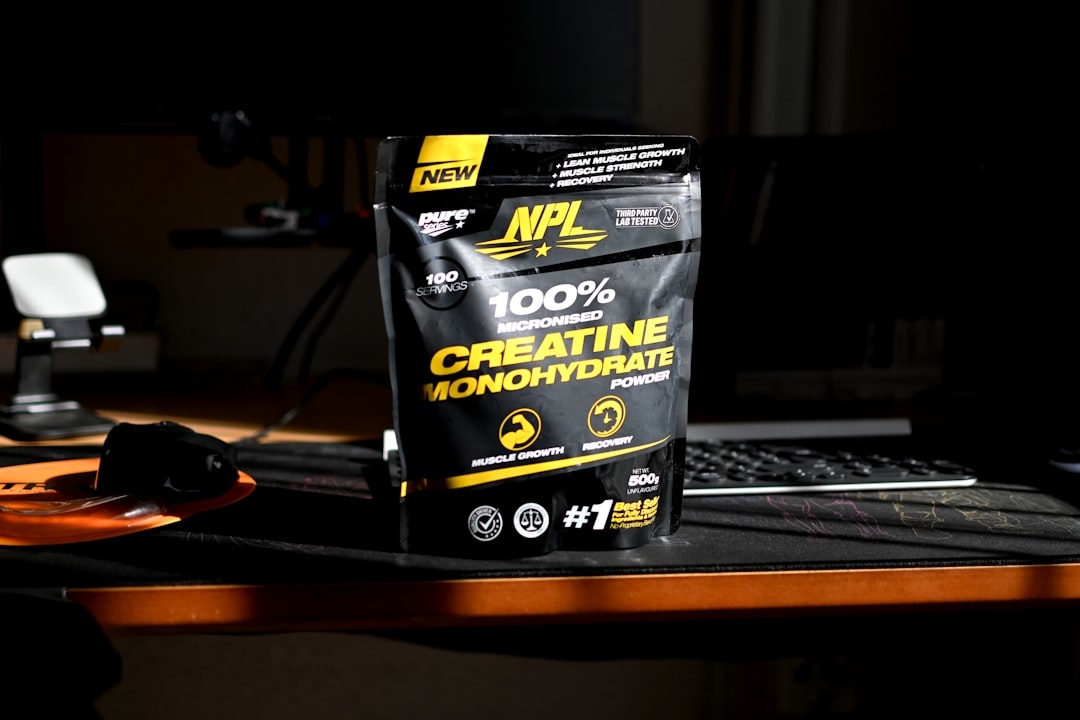
Some individuals exceed these amounts. Bodybuilders occasionally consume 10-20 grams daily. Research shows that even at double-standard doses, creatine remains remarkably safe with no serious adverse events reported in decades of use. Higher doses don’t accelerate hair loss risk based on available evidence.
Choosing Quality Supplements
Not all creatine products are equivalent. Monohydrate is the most researched form and most affordable option. Newer forms like creatine ethyl ester or buffered creatine offer minimal additional benefits at significantly higher prices (£0.40-£0.80 daily versus £0.10 for monohydrate). Ensure your supplement carries third-party testing certification from organisations like Informed Sport or NSF, confirming purity and accurate labelling.
Hydration Considerations
Creatine increases intramuscular water retention, drawing fluid into muscle cells. This demands consistent hydration. Drink at least 2-3 litres daily, more if exercising intensely or during warm weather. Dehydration impairs performance and places stress on kidneys. Adequate water intake supports overall health, including scalp hydration and hair growth cycles.
Hair-Supportive Practices to Implement Concurrently
If you’re concerned about hair health while taking creatine, proactive measures cost little and offer genuine benefits:
- Nutrition optimisation: Ensure 1.6-2.2 grams of protein daily per kilogram of body weight. Include iron-rich foods (red meat, lentils, spinach) and zinc sources (oysters, pumpkin seeds, chickpeas) several times weekly.
- Scalp care: Use a gentle, sulphate-free shampoo suited to your hair type. Massage your scalp for 2-3 minutes daily to improve blood circulation.
- Stress management: Dedicate 15-20 minutes daily to meditation, walking, or another relaxation practice.
- Sleep consistency: Maintain a regular sleep schedule, aiming for 7-9 hours nightly.
- Biotin and micronutrient support: Consider a daily multivitamin covering B vitamins, zinc, and iron if your diet is limited.
A Trichologist’s Perspective
Dr. Sarah Mitchell, Registered Trichologist (British Association of Dermatologists): “In my practice spanning over twelve years, I’ve encountered numerous patients worried that creatine caused their hair loss. Invariably, detailed assessment reveals other contributing factors—vitamin deficiencies, thyroid imbalance, or stress-related shedding—rather than supplement use. Creatine is not a direct cause of hair loss in my experience. What I do recommend is that anyone noticing hair changes should seek professional evaluation before assuming supplements are responsible. Often, addressing underlying nutritional or health factors while continuing supplementation yields excellent outcomes.”
This expert perspective reflects the consensus among trichologists and dermatologists: creatine itself is not a documented cause of hair loss. Concerns typically arise from misinterpreted research or coincidental timing when other factors—stress, illness, dietary changes—actually drive shedding.
Sustainability and Eco-Conscious Supplementation
For those interested in environmentally responsible choices, creatine supplementation compares favourably to alternative muscle-building approaches. Producing 5 grams of creatine monohydrate powder generates minimal packaging waste and resource consumption compared to protein powder (which requires large volumes of raw material) or meat-based creatine sourcing (which carries substantial environmental footprint).
Opt for creatine brands using recyclable or compostable packaging. Several UK suppliers now offer creatine in refillable containers or fully recyclable materials. The annual environmental cost of supplementing with creatine is negligible—essentially a small container of powder and, if using capsules, minimal plastic packaging versus ongoing meat consumption for equivalent creatine intake.
Frequently Asked Questions
Does creatine definitely not cause hair loss?
Evidence does not support creatine as a direct cause of hair loss. A 2009 study showed DHT elevation in some users, but subsequent research found inconsistent effects on DHT and zero documented hair loss directly attributable to creatine. Genetic predisposition remains the primary driver of pattern baldness. If you have no family history of baldness, creatine poses no hair risk.
I’m already losing hair. Should I stop taking creatine?
Not necessarily, but consult a doctor or trichologist first. Hair loss has multiple causes: thyroid problems, iron deficiency, stress, autoimmune conditions, and genetics all contribute. Identifying the actual cause takes priority. If your loss stems from genetic predisposition unrelated to supplementation, continuing creatine is safe. If an underlying condition is responsible, treating that condition matters more than supplement discontinuation.
What if I’m genetically prone to baldness? Can I safely take creatine?
Yes, but monitor your hair carefully. If you notice accelerated shedding after starting creatine—and only after starting—discontinue use and observe whether shedding normalises. For most genetically predisposed individuals, creatine produces no additional effect on hair loss rates. If you’re concerned, discuss options with a dermatologist, who may recommend DHT-blocking medications like finasteride alongside supplementation.
Are there creatine alternatives with no hair concerns?
Alternatives to creatine—beta-alanine, citrulline malate, beetroot juice—work through different mechanisms and don’t affect DHT. However, none match creatine’s evidence base for muscle building and strength gains. If hair loss risk genuinely concerns you, alternatives exist; in reality, the risk is minimal for most users.
How long until I see creatine’s muscle-building effects?
Visible strength improvements typically appear within 1-2 weeks as neural adaptation improves performance. Measurable muscle mass gain becomes apparent after 4-8 weeks of consistent training. If worried about hair loss, you’ll have time to monitor for changes before deciding to continue. Most users complete 8-12 weeks of supplementation before assessing results and side effects.
Conclusion: Making Your Informed Decision
The question “does creatine cause hair loss” receives a consistent answer from rigorous research: creatine does not reliably cause hair loss in the general population. A single small study suggested elevated DHT in some users, but larger subsequent investigations contradicted or failed to replicate this finding. Most critically, no documented cases of creatine-induced baldness exist in medical literature or clinical practice despite decades of widespread use by millions globally.
Hair loss depends primarily on genetic predisposition. If male pattern baldness runs in your family, elevated DHT from any source—including creatine, if it occurs—may accelerate shedding. For the majority without genetic risk, creatine poses no hair threat. Meanwhile, the supplement offers genuine benefits: increased muscle mass, improved strength, better training performance, and potentially enhanced cognitive function.
Should you decide to supplement with creatine, prioritise overall health: maintain adequate protein intake, manage stress, get consistent sleep, and care for your scalp. If you notice unusual hair shedding—regardless of creatine—consult a healthcare professional rather than self-diagnosing. Most hair loss stems from treatable causes unrelated to supplements.
The evidence supports taking creatine safely. Your concern about hair loss is understandable, but data suggests your hair—and your muscles—can both thrive with this supplement. The real opportunity lies in combining supplementation with comprehensive lifestyle strategies that genuinely support both athletic performance and hair health.