Contents:
- What Red Light Therapy Actually Does
- The Research on Red Light Therapy for Hair Loss
- How Red Light Therapy Compares to Proven Treatments
- The Practical Reality of Using Red Light Devices
- Sustainability and Eco-Conscious Choices
- Who Might Benefit Most
- Practical Implementation If You Choose to Try It
- FAQ: Common Questions About Red Light Therapy and Hair Loss
- How long does red light therapy take to work?
- Can red light therapy replace minoxidil or finasteride?
- Is red light therapy safe for all hair types and scalp conditions?
- What wavelength is most effective for hair growth?
- Can I use red light therapy while taking other hair loss medications?
- The Verdict
You notice more hairs on your pillow than usual. The part down the centre of your scalp looks wider. Then you spot an advert for red light therapy promising to revive dormant follicles. It sounds plausible—light has power, after all. But does it actually work, or is this another wellness trend dressed up in science?
What Red Light Therapy Actually Does
Red light therapy, also called photobiomodulation, uses wavelengths between 600 and 1000 nanometres to penetrate the skin. These wavelengths target mitochondria—the energy factories inside your cells—and stimulate the production of adenosine triphosphate (ATP), the molecule that powers cellular functions.
When applied to the scalp, red light theoretically increases blood flow to hair follicles and boosts energy production in follicle cells. In laboratory conditions, this mechanism makes sense. The challenge lies in translating that mechanism into measurable results on human heads.
The Research on Red Light Therapy for Hair Loss
Clinical evidence exists, but it’s mixed. Multiple studies have shown modest improvements in hair density and thickness, particularly in men experiencing male pattern baldness. A 2022 systematic review found that low-level laser therapy (LLLT) demonstrated statistically significant benefits, though effect sizes varied considerably across trials.
The variability matters. Some studies showed hair growth increases of 30-40 hairs per square centimetre. Others showed negligible differences between treated and control groups. Factors affecting outcomes include:
- Treatment frequency (ranging from twice weekly to daily exposure)
- Session duration (typically 15-30 minutes per session)
- Device wavelength and power output
- Duration of the treatment course (usually 16-26 weeks for visible results)
- Baseline hair loss severity
Critically, most positive studies come from trials with small sample sizes—often fewer than 50 participants. Larger, more rigorous studies remain limited, which means clinical guideline bodies remain cautious in their recommendations.
How Red Light Therapy Compares to Proven Treatments
Minoxidil (Rogaine) and finasteride (Propecia) are the only hair loss treatments with robust evidence backing their effectiveness. Minoxidil works by extending the growth phase of the hair cycle; finasteride reduces the hormone that shrinks follicles in genetically sensitive individuals.
Red light therapy operates through a different mechanism—energising cells rather than blocking hormones or extending growth phases. Some research suggests combining red light with minoxidil may enhance results compared to minoxidil alone, though evidence remains preliminary.
What the Pros Know: Dermatologists and trichologists often treat red light therapy as complementary rather than primary. Sarah Mitchell, a registered trichologist in London, notes: “Red light therapy can support scalp health and may accelerate results when used alongside minoxidil, but I wouldn’t recommend it as a standalone treatment for established hair loss. It’s best viewed as part of a broader hair health strategy.”
The Practical Reality of Using Red Light Devices
Red light therapy devices range from affordable (£50-£100 for basic handheld devices) to expensive (£500-£3,000 for clinical-grade caps). Consistency demands commitment: most protocols require 3-5 sessions per week over several months to evaluate results.
Treatment timelines matter. You won’t see changes in 2-4 weeks. Hair growth cycles last 2-7 years, with the active growth phase lasting 2-6 years. Measurable improvements typically emerge after 12-16 weeks of consistent use, assuming your chosen device delivers adequate wavelengths and power density to reach follicle cells beneath your scalp.
One often-overlooked factor: scalp condition. Inflammation, seborrheic dermatitis, or poor circulation can interfere with red light’s effectiveness. Addressing underlying scalp health through proper cleansing, reduced heat styling, and stress management may matter as much as the light itself.
Sustainability and Eco-Conscious Choices
Unlike pharmaceutical options that require ongoing prescriptions and manufacturing, red light therapy devices represent a one-time purchase with minimal environmental impact after the initial production phase. A durable clinical-grade device can last 5-10 years, eliminating the waste of monthly refills.
If you pursue red light therapy, choosing a well-built device from a reputable manufacturer reduces the likelihood of premature failure and unnecessary replacement. Avoiding cheap, flimsy alternatives actually aligns with both effectiveness and environmental responsibility.
Who Might Benefit Most
Red light therapy appears most promising for:
- Early-stage hair loss, before significant follicle miniaturisation occurs
- People with androgenetic alopecia (male or female pattern baldness) rather than other hair loss types
- Those unable or unwilling to use minoxidil or finasteride due to side effects or contraindications
- Individuals seeking a supplement to existing treatments rather than a replacement
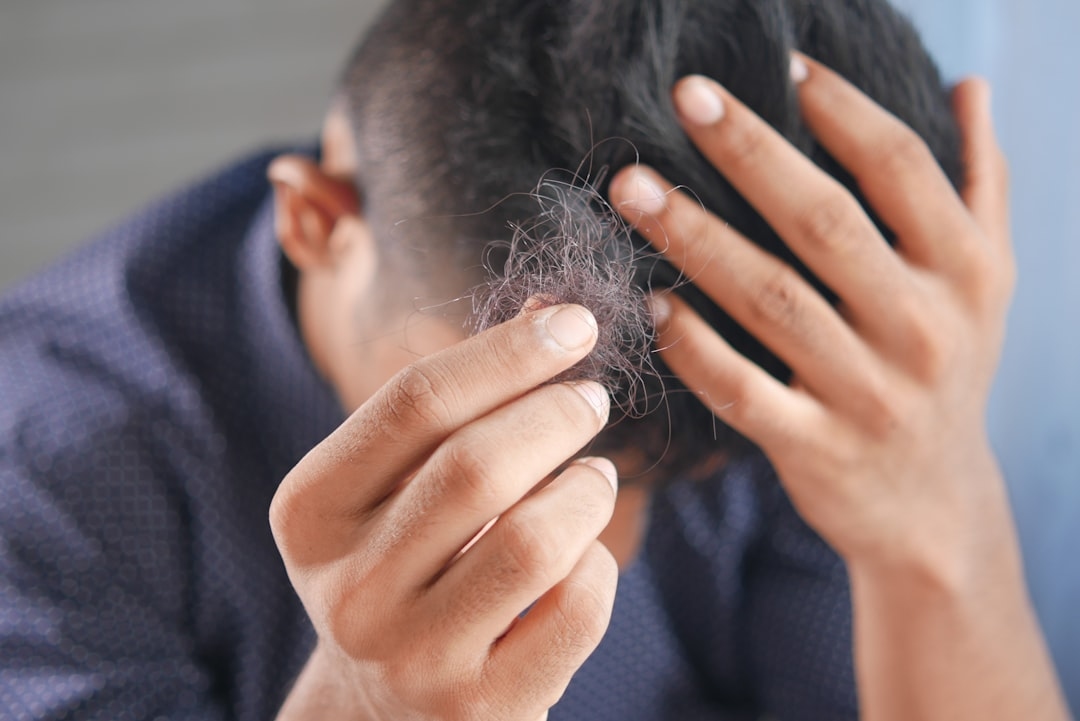
Results remain individual. Genetics, hormones, nutrition, sleep, and stress all influence hair growth. Red light therapy can create favourable conditions, but it cannot overcome severely compromised follicle health or fundamental genetic predisposition alone.
Practical Implementation If You Choose to Try It
If you decide red light therapy warrants a trial, follow these guidelines:
- Select a device with clinical evidence—caps or panels delivering 600-700 nanometre wavelengths typically show better results than handheld combs
- Commit to 3-5 sessions per week for a minimum of 16 weeks before evaluating results
- Maintain consistent treatment timing; irregular use reduces effectiveness
- Combine with basics: adequate sleep, stress management, and a protein-rich diet support hair health
- Track progress with baseline photographs taken under identical lighting before starting
- Consult a dermatologist if you experience scalp irritation or unusual changes
FAQ: Common Questions About Red Light Therapy and Hair Loss
How long does red light therapy take to work?
Most studies show measurable changes after 12-16 weeks of consistent use. Hair growth operates on a 2-7 year cycle, so patience is essential. Some people report improvements within 8 weeks; others see no change after 6 months.
Can red light therapy replace minoxidil or finasteride?
Current evidence doesn’t support red light therapy as a complete replacement for clinically proven treatments. It works through different mechanisms and may complement these medications, but data on standalone efficacy remains limited.
Is red light therapy safe for all hair types and scalp conditions?
Red light therapy is generally safe, but people with light-sensitive conditions, those taking photosensitising medications, or anyone with active scalp infections should consult a dermatologist first. Scalp conditions like psoriasis or eczema may require medical guidance before use.
What wavelength is most effective for hair growth?
Research suggests 600-700 nanometres delivers the best results for stimulating follicle cells. Devices advertising wavelengths outside this range or using near-infrared alone show less consistent evidence in hair loss trials.
Can I use red light therapy while taking other hair loss medications?
Yes. Combining red light therapy with minoxidil or finasteride is generally safe and may enhance results, though data on combination protocols remains preliminary. Always inform your dermatologist about any treatments you’re using.
The Verdict
Red light therapy can stimulate hair follicles and shows modest benefits in clinical trials, particularly when used consistently over months. It’s not a miracle cure, nor is it entirely ineffective. The evidence sits in that uncomfortable middle ground: promising enough to warrant investigation, but not robust enough to recommend universally.
If you’ve exhausted or rejected conventional treatments, or if you want to optimise results alongside minoxidil, red light therapy represents a reasonable option—provided you invest in a quality device and commit to consistent use. Measure results objectively with photos and track changes over at least 16 weeks before deciding.
Start by booking a consultation with a trichologist or dermatologist who can assess your specific hair loss type and recommend whether red light therapy fits your situation. Your follicles respond best to informed, tailored approaches rather than one-size-fits-all solutions.